
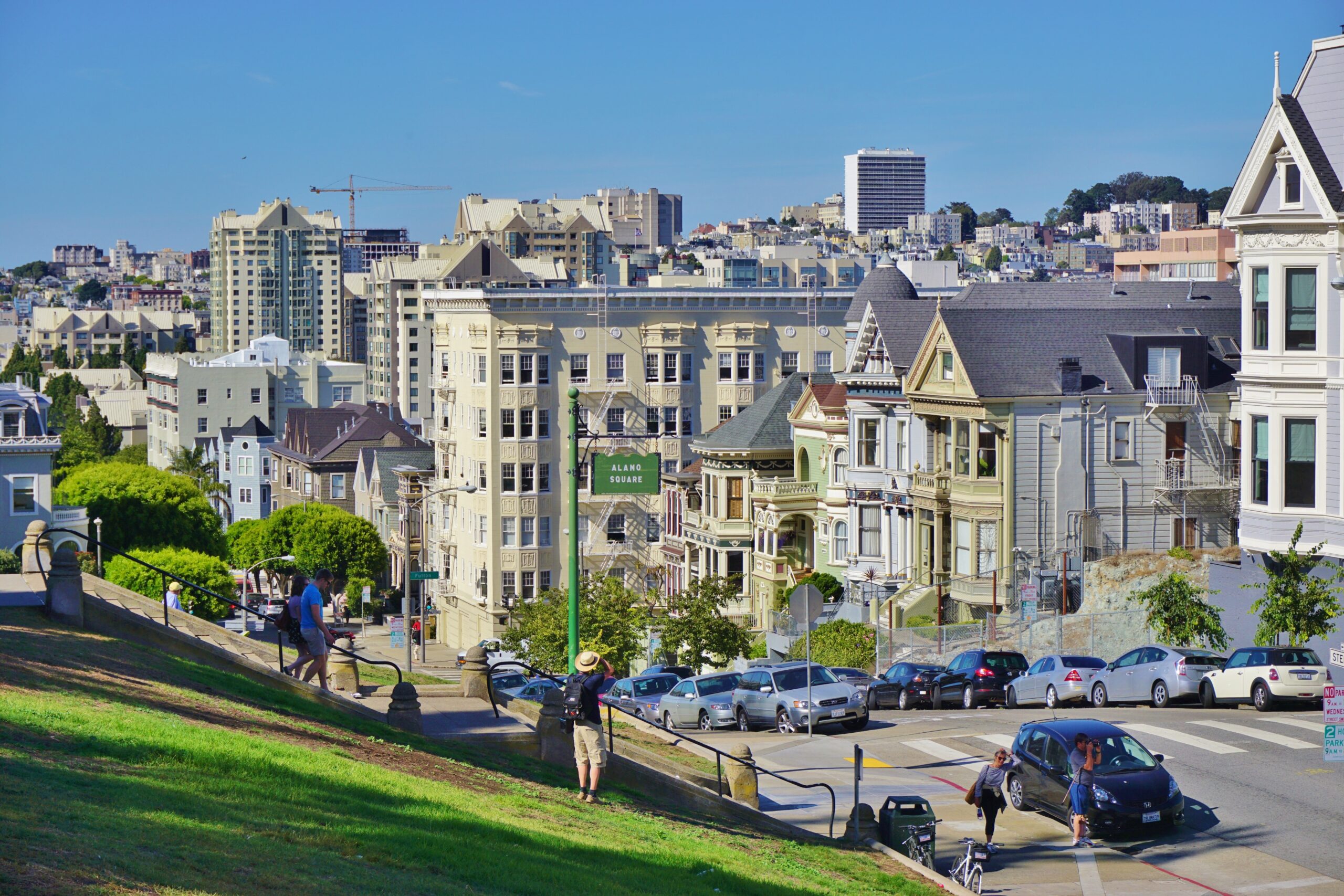
The rise of AI technology companies is having a significant impact on the real estate market in San Francisco. One of the most direct ways to measure this impact is through the frenzy of housing transactions. In March 2026, a four-bedroom residence in Marina was initially estimated by the real estate agent to be around $4 million. Within days, the property received 5 all-cash offers and ultimately sold for $4.9 million. The seller had purchased the property two years ago for $3.4 million, representing an increase of $1.5 million, or approximately 44% in just two years.
Moving away from individual cases, looking at overall statistics provides a clearer picture of the influence of the AI wave on the local housing market. According to data from real estate brokerage firm Compass, in the first half of 2026, over 140 homes in San Francisco were sold for at least $1 million above their listing price; in June 2026 alone, there were 44 such transactions. By comparison, during a similar period in 2025, there were only 8 such transactions, and in the first half of 2024, there were merely 6.
Compass’s Chief Economist attributes this phenomenon to AI companies hiring, population influx, and buyers pre-deploying expected IPO wealth. Simultaneously, due to a decrease in the inventory of single-family homes by about 45%, the median price increased from around $1.7 million to $2.2 million.
Another example of the competitive housing market is a four-bedroom, five-bathroom detached home located in Central Richmond. After an open house, the property received 7 appointments almost immediately, with offers coming in within an hour, eventually selling for $4.95 million. What was rare in this case was that the buyer also paid additional broker commissions for the seller, totaling a transaction price over a million dollars higher than the listing price.
Such conditions of “bearing additional costs for the seller beyond the price” typically stem from buyers with ample cash reserves and a strong desire to acquire the property. The seller’s agent mentioned that while they initially had around twenty sets of clients, in the end, less than 5 sets were able to continue competing.
According to the Los Angeles Times, a tech family who believed they were in a buyer’s market found themselves facing around ten competitive bids, including all-cash offers. They had to rush to view properties before they officially hit the market and ended up bidding 25% higher than the listing price.
However, the rising prices in San Francisco are not universal – there is a noticeable trend of “higher-priced properties increasing faster.” Redfin statistics show that in June 2026, the median price for condominiums in San Francisco was approximately $1.074 million, a 7.9% year-on-year increase. Other data suggest a 3% increase as of May, indicating variations due to the range of statistics and deal compositions.
Affordable condos are still constrained by HOA fees, insurance, loan approvals, and downtown vacancy issues. Some communities have yet to return to 2019 prices, while areas like Noe Valley and Marina show better performance in the condo market.
The median price for townhouses in San Francisco was around $1.433 million in June, a 7.2% year-on-year increase. Townhouses with good conditions, parking spaces, outdoor areas, or independent entrances may also see double-digit growth.
This price range is beginning to be influenced by AI professionals, but buyers generally still require loans, making them sensitive to interest rates compared to the high-end market.
The median price for single-family homes in June was about $2.1 million, an 11.6% year-on-year increase. Reports indicate a potential increase of 17% to 23% during different deal periods in the first quarter or May.
Communities with scarce single-family homes, such as Pacific Heights, Marina, Cow Hollow, and Noe Valley, benefit the most. High-income buyers or those holding stakes in AI companies are better equipped to use cash and are less constrained by mortgage interest rates.
The $2-5 million range for single-family homes is currently the most fiercely competitive in San Francisco, with price increases ranging from 12% to 20% according to various data sources. Considering the median home price in San Francisco, the California Association of Realtors (C.A.R.) reports a 24.8% year-on-year increase in June, while Homes.com indicates 11.6%.
As a result, the AI boom has become a significant force in the recent resurgence of San Francisco’s real estate market. However, it appears more like a “prosperity with concentrated wealth,” with not all property types and residents benefiting equally.