
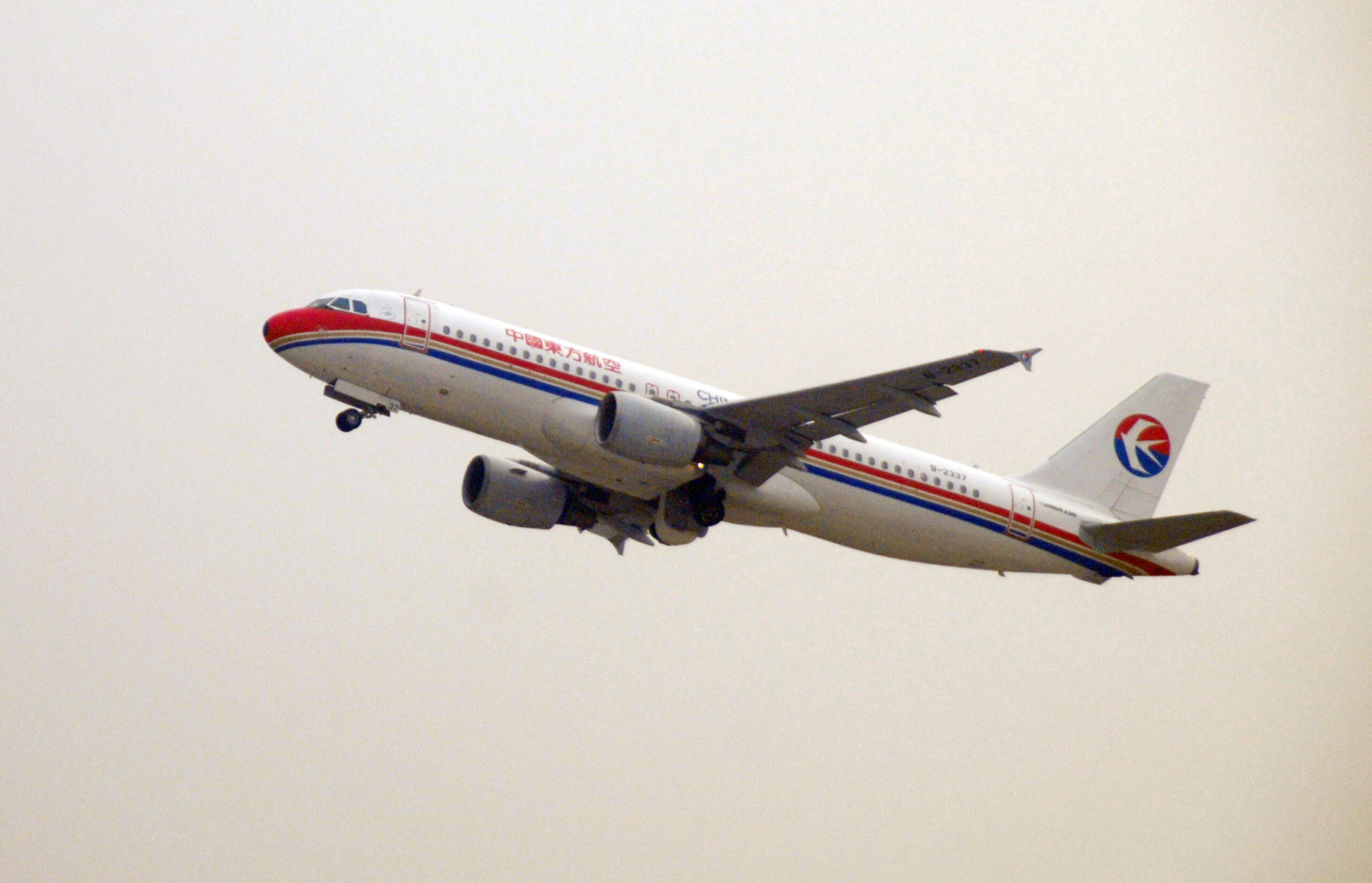
In the first half of this year, three major state-owned airlines in China, including Air China Limited, collectively reported a net loss of 8.161 billion yuan. However, during the same period, some private airlines like Spring Airlines were profitable. Among them, Spring Airlines reported a net profit of 1.042 billion yuan, making it the most profitable company among the seven listed carriers.
According to a report by “21st Century Economic Herald” on September 1st, the half-yearly reports for January to June 2026 released by the three major state-owned airlines, Air China Limited (Air China), China Eastern Airlines Limited (China Eastern), and China Southern Airlines Limited (China Southern), showed that Air China reported a net loss of 2.286 billion yuan, China Eastern reported a net loss of 2.179 billion yuan, and China Southern reported a net loss of 3.696 billion yuan. The losses of all three airlines increased compared to the same period last year.
The reasons cited for the losses of the three airlines were attributed to the impact of the geopolitical conflicts in the Middle East, with high aviation fuel costs leading to a more than 30% year-on-year increase in fuel costs for the companies. Just in terms of oil prices, the three airlines collectively incurred over 20 billion yuan in additional expenses, which consumed the revenue growth.
Unlike the three state-owned airlines, several private airlines in the mainland reported profits.
Spring Airlines had a revenue of 12.336 billion yuan in the first half of the year, a 19.72% year-on-year growth; and a net profit of 1.042 billion yuan, making it the most profitable among the seven listed airlines. Despite a significant increase in aviation fuel expenses year-on-year, squeezing Spring Airlines’ profit margins, the increase in aircraft daily utilization rate, lower unit seat kilometer costs by approximately 30% compared to the three major state-owned airlines, and its single aircraft model and direct sales model emphasized advantages in times of high oil prices.
Another private company, Hainan Airlines Holdings, reported a net profit of 270 million yuan in the first half of the year, a 374.43% year-on-year increase. Hainan Airlines Holdings stated that during the reporting period, they optimized capacity allocation, increased revenue from premium routes, and mitigated the impact of oil price fluctuations through refined management controls.
Moreover, Joy Air and Lucky Air achieved net profits of 150 million yuan and 44 million yuan respectively in the first half of the year.
Analysts quoted in the report pointed out that the divergence in profitability between the three state-owned airlines and the private airlines fundamentally stems from differences in their business models. The three state-owned airlines have large fleets, a significant proportion of international routes, and are far more sensitive to fluctuations in oil prices than low-cost or regional airlines. In the era of high oil prices, the ability to control costs becomes the “touchstone” of airline performance.
In an article titled “Insight into the Losses of the Three Major Domestic Airlines in the First Half of 2026,” China Aviation Company’s high dependence on imported aviation fuel, operational constraints brought about by central state-owned enterprises, unreasonable fleet structures, and the single revenue model were all highlighted. If these issues are not thoroughly addressed, in the face of the next unexpected “black swan” event, the three state-owned airlines may still fall into the cycle of losses.
Analysts further argue that private airlines possess a high degree of commercial flexibility. When a certain route does not meet revenue expectations or fuel costs cannot be covered, they can swiftly adjust by discontinuing loss-making flights, reallocating capacity to high-return popular routes.