
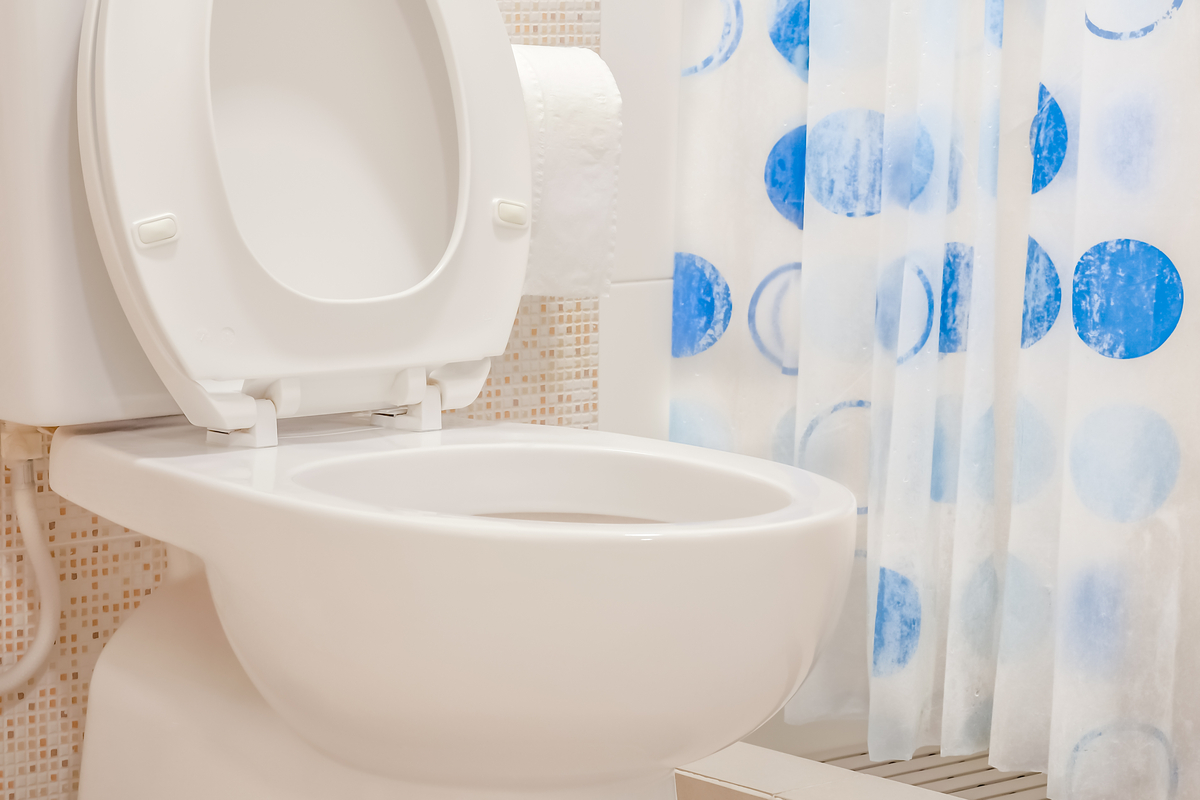
Due to the deposition of minerals in the water, limescale will form on the inner walls of the toilet, which, combined with the effect of urine, can become unsightly with a brownish color. Is there a way to remove this limescale?
Recently, in the Facebook group “Mrs. Hinch Cleaning Tips” opened by the British influencer Sophie Hinchcliffe, some netizens inquired about methods to clean toilet limescale.
Some suggested using Harpic bleach in the black bottle, which has an excellent effect and requires no scrubbing effort. Simply pour this bleach into the toilet and let it sit overnight. You can also use bleach tablets, which work effectively as well.
The manufacturer of this bleach stated in the instructions that it only needs to sit for 10 minutes, but for thorough disinfection, letting it sit for up to an hour is ideal.
Another suggestion from netizens is to use cola to clean the toilet. The acidic components in this carbonated beverage can react with limescale, helping to dissolve it. Just pour a bottle of cola into the toilet, let it sit overnight, and the toilet will become clean.
For best results, be sure to purchase regular cola. If the results are not optimal, you may need to first empty the water in the toilet.
Cleaning influencer Beckie also shared a simple natural method to remove toilet limescale on Facebook.
In a short video, she demonstrated how to use citric acid to make mineral deposits with stains disappear overnight, including deposits on the inner walls and edges of the toilet.
She said, “If you, like me, live in a hard water area (referring to areas with high concentrations of minerals such as calcium and magnesium in the water), limescale can be a real headache. However, citric acid has become my good helper. When cleaning the inner walls of the toilet, I simply add a spoonful of citric acid, let it sit for a few hours, or even better if left overnight.”
As for the edges of the toilet, she dilutes the citric acid, puts it in a spray bottle, sprays it on a paper towel, then tucks the towel under the edge of the toilet and lets it sit for a few hours. This method provides excellent cleaning results. Any citric acid product can be used.
Citric acid is a natural acid found in various fruits and vegetables, with lemons and limes being particularly rich sources. Additionally, you can also purchase powdered citric acid from stores.
In addition to the toilet, limescale may also accumulate in kettles, showerheads, sinks, and faucets. For limescale on faucets, you can use white vinegar to clean them.