
The FIFA World Cup is in full swing across the United States, Mexico, and Canada, with a record number of 48 teams participating for the first time, up from the previous 32. However, China’s national football team has once again failed to qualify for the tournament, marking the sixth consecutive time since 2002.
Despite the disappointment felt by Chinese football fans, the Chinese Communist Party (CCP) refuses to concede defeat. In recent days, CCP state media have been emphasizing the “Chinese elements” present in the World Cup matches to assert their presence and provide self-assurance. This includes highlighting instances such as Chinese toys featured in the opening ceremony, Chinese referee Ma Ning being selected as the main referee, and the official match ball being manufactured by a Chinese company. A recent tactic involved linking the upset victory of the small African nation of Cape Verde over Spain to China’s “sports stadium assistance,” a move that was later exposed as fabricated.
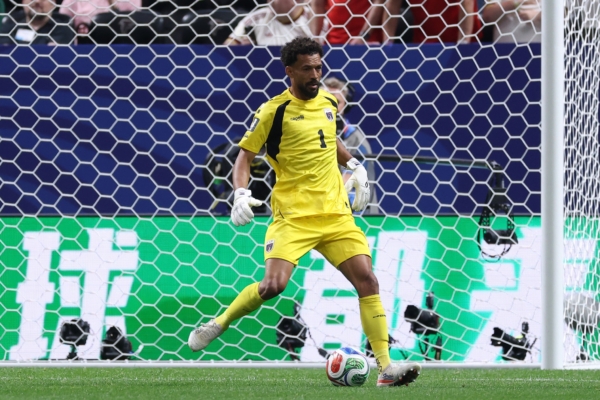
Cape Verde, from Group H, shocked the world by holding the tournament favorite Spain to a 0-0 draw on June 15, marking the biggest upset of the tournament so far. The CCP state media quickly sought to associate Cape Verde with China.
Sichuan state media “Red Star News” claimed that Cape Verde’s crucial victory in the World Cup was made possible by the sports stadium built with Chinese assistance, sparking discussions such as “Cape Verde Thanks China for Fulfilling World Cup Dream.” This topic trended as the top search on Weibo on the next day, stirring up debates on Chinese social media.
Various CCP state media and mainstream outlets, including Xinhua News Agency, reported and spread this topic, highlighting scenes of infrastructure cooperation achievements and local residents expressing gratitude in Chinese.
According to reports, the National Sports Stadium in Praia was officially transferred to Cape Verde in 2013, covering an area of 94,000 square meters and accommodating 15,000 people.
However, the CCP’s propaganda videos attracted mockery in the comments section, with netizens expressing sentiments such as “Always able to find a winning point,” “So we didn’t go to the World Cup because our stadiums weren’t good enough”, and “So this is how we participate in the World Cup.”
Social media discussions and criticism continued, with one CCP-affiliated official Weibo account pointing out that the claims of “Cape Verde officially thanking China for fulfilling World Cup dream” were fabricated by certain media outlets for attention and engagement on social media. The official stated that Cape Verde had never made such a statement and criticized the manipulation of facts by Chinese media.
The official also criticized the exploitation of Cape Verde’s World Cup success by some Chinese media outlets, highlighting the lack of respect shown towards the Cape Verde national team.
This World Cup has seen two underdog nations gaining attention: Cape Verde and Curaçao.
Cape Verde is an Atlantic island nation located off the west coast of Africa, with a population of approximately 540,000. Curaçao, on the other hand, is a Dutch autonomous country situated in the southern Caribbean Sea, close to Venezuela, covering an area of over 400 square kilometers and with a population of around 160,000.
Taking a closer look at the situation, it’s evident that Cape Verde’s success in the World Cup is attributed to recruiting and planning overseas players, as well as the efforts of players and coaches. The role played by the sports stadiums built with Chinese assistance in Cape Verde’s advancement to the World Cup is not substantial. Connecting their success solely to Chinese assistance is considered far-fetched.
Continued…