
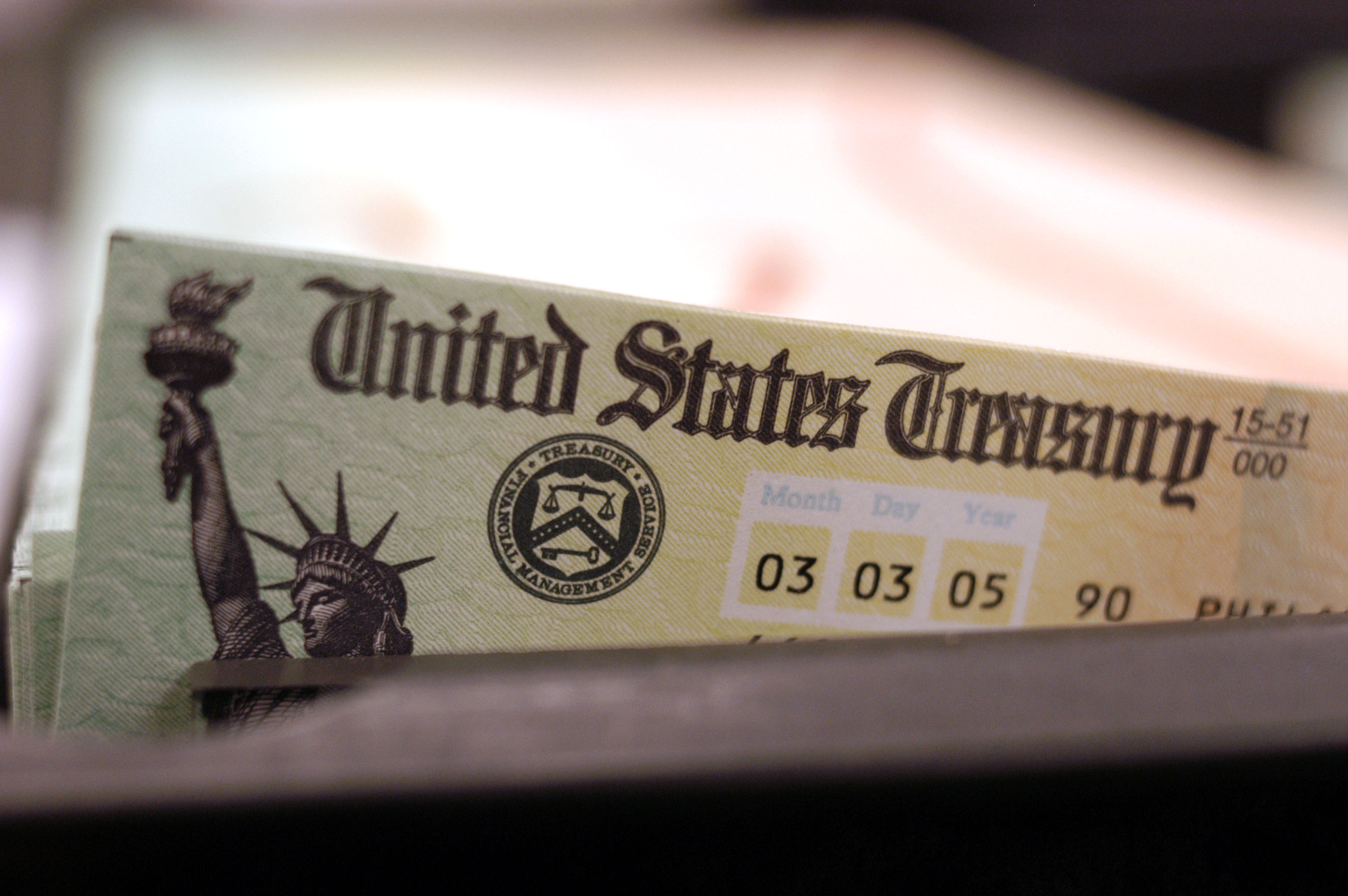
The fluctuation of the bond market not only affects politicians but also impacts the financial pressures of ordinary American families, such as mortgages and car loans, savings accounts, and 401(k) retirement accounts.
Last week, bond yields continued to rise, prompting rare intervention by the US Treasury Department. Many are concerned that the rising cost of borrowing may dampen consumer spending, a vital lifeline of the economy. Some also worry that faced with seemingly endless government borrowing, investors may finally begin to think twice before taking action.
Currently, the bond market is experiencing significant changes, and the impact on everyone has been analyzed by the Associated Press.
Firstly, it is essential to understand what the bond market is. When governments and large corporations borrow money, they do not turn to banks but instead issue IOUs to investors, promising to repay the principal at a certain interest rate. When the term for repayment is years later, it is called a bond. Shorter-term IOUs issued by the US government are typically known as Treasury bills or notes.
Bond market investors typically purchase bonds after issuance and continue to receive the same interest rate. As bond attractiveness declines, buyers can acquire bonds previously valued at $100 for less than $100, generating yield expressed as a percentage, known as the bond yield.
The US government issues the largest and most crucial bonds globally, known as Treasurys. Data released by the US Treasury Department on August 19 showed that as of August 18, US Treasuries had surpassed $40 trillion for the first time.
However, compared to recent decades, US Treasuries face increased competition from high-yield bonds overseas. For example, after years of near-zero interest rates, 30-year Japanese government bonds now yield over 4%; UK government bond yields have reached 5.81%, German government bond yields at 3.76%, while US Treasury yields stand at 5.27%. This is a significant reason for the continuous rise in US Treasury rates.
Ira Jersey, chief US rate strategist at Bloomberg, remarked that previously, most other overseas bond rates were too low, leading large global investors such as pension funds and life insurance companies to have few alternatives but to invest in US Treasuries. With higher yields on other global sovereign bonds, the US 30-year Treasury is no longer the sole choice, facing greater competition.
The increase in bond yields primarily impacts mortgage rates. Mortgage rates are closely linked to the 10-year Treasury yield trend, with the core of the bond market being the 10-year Treasury yield. This summer, escalating tensions in Iran led to rising oil prices, exacerbating inflation concerns, resulting in a surge in the 10-year Treasury yields. Longstanding worries about the scale of US debt have further intensified.
Rising mortgage rates, in turn, increase the cost of obtaining a mortgage for home purchases. Recently, the average rate for a 30-year fixed-rate mortgage has neared its highest level in a year, causing many who were already concerned about high property prices to hesitate further.
Last Wednesday, the US Treasury Secretary announced a doubling of the long-term bond repurchase program to reduce the 10-year Treasury yield and, subsequently, mortgage costs. However, this action only brought temporary relief as the 10-year Treasury yield quickly rose to 4.74% last Friday, matching the highest point in over a year.
Experts suggest that the rise in mortgage rates may not only dampen some homebuyers’ intentions but also attract more funds into the bond market issued by large tech companies for artificial intelligence infrastructure development.
The increase in bond yields also affects the Federal Reserve’s ultra-short-term overnight loan rates, thereby influencing interest rates on various financial products like credit cards, savings accounts, and car loans. Generally, higher yields and rates benefit depositors but harm borrowers.
Stocks, gold, and even cryptocurrency prices are also impacted. People may think, “US Treasuries are not only safe but have higher yields than before, why wait to invest?”
The US government’s continued spending far exceeds income, necessitating continuous borrowing to cover the gap. Currently, the total US debt exceeds $40 trillion and continues to rise. As bond yields increase, the US government must pay higher rates to attract buyers when auctioning Treasuries.
By the end of the 2025 fiscal year’s first 10 months, the federal government had paid $931 billion in debt interest, exceeding total expenditures in healthcare, defense, and veteran benefits, second only to social security and Medicare spending.
Furthermore, global government bond yields are generally rising, not only pressuring the US but also causing concerns in Japan, France, Germany, and other regions’ bond markets.
However, it is worth noting, according to strategists from Macquarie Group, that indicators of bond investors’ concerns about potential government defaults in major economies have not surged excessively.