
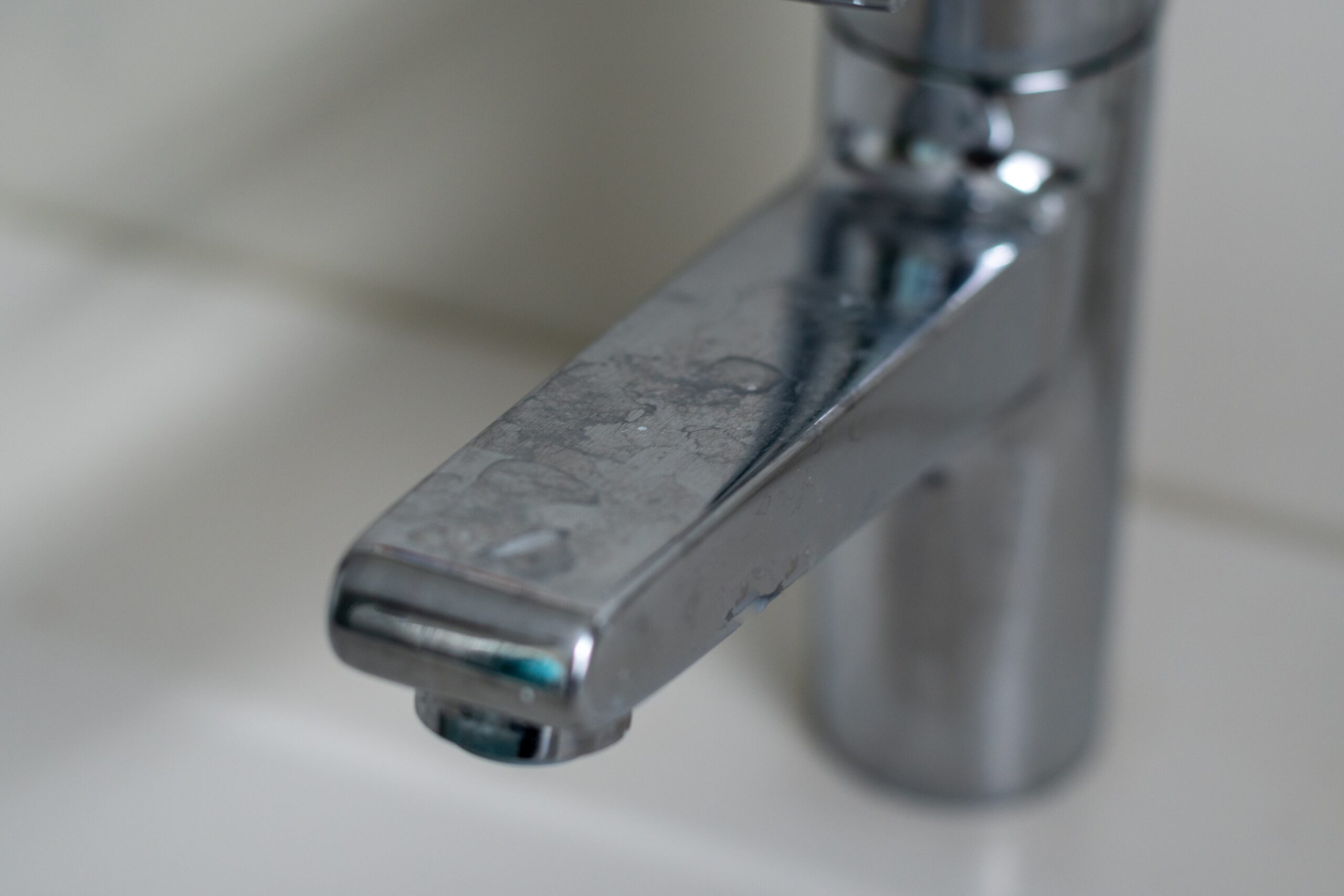
Long-term use of faucets often leads to limescale buildup, making them appear dull, stained with white spots, especially in areas with hard water. Fortunately, there are low-cost natural cleaning agents that can solve this issue, and many households have these items on hand.
The UK cleaning product brand Cillit Bang mentioned on its website that limescale is composed of calcium and magnesium, residues left behind after water evaporation. It forms a hard, chalky substance that accumulates in standing water, which is why faucets and sinks are prone to limescale. Additionally, limescale can also build up in kettles, showerheads, and toilets.
For cleaning limescale on faucets, experts on the website recommend having a soft cloth or sponge, white vinegar, a soft-bristled toothbrush, and a bowl ready. These items are crucial for effectively removing limescale buildup on faucets.
According to the website, a soft cloth or sponge can be used for gentle wiping, a bowl for soaking the faucet, and white vinegar as a powerful natural cleaner. The toothbrush can help reach difficult-to-clean corners. However, after use, do not repurpose the toothbrush. Store it separately or dispose of it properly.
After preparing the above items, follow these steps to clean limescale on faucets:
– Pour white vinegar into the bowl and soak the limescale-affected areas of the faucet, ensuring complete immersion in vinegar.
– Soak for at least 30 minutes. If limescale buildup is severe, extend soaking time as vinegar helps break down limescale.
– After soaking, use a soft-bristled toothbrush to brush off loosened limescale.
– Rinse thoroughly with clean water and dry with a clean cloth.
If your home has brass faucets, a gentler cleaning method is required to remove limescale without damaging the brass coating on the faucet surface. Combining the natural acidity of lemon juice with the gentle abrasive properties of baking soda can achieve this goal.
Mix lemon juice and baking soda in equal proportions, apply the mixture to areas with limescale, let it sit for a few minutes, then gently scrub with a soft-bristled toothbrush to allow the mixture to act on the limescale. Finally, rinse with water to remove residue, then thoroughly dry with a clean cloth.
How should limescale in toilets be removed? You can start by cleaning with vinegar and baking soda, then using other methods such as citric acid, vinegar, borax (or salt), pumice stone, etc.
German water filter manufacturer BRITA’s UK branch stated on its website that limescale is harmless to health; it naturally occurs in most water sources, particularly in hard water areas (areas with high concentrations of calcium and magnesium minerals).
This is why you often find limescale at the bottom of kettles. Although this chalky substance may not look aesthetically pleasing, consuming it poses no harm.
In countries like the UK and the US, tap water is safe to drink. If you’re used to drinking water directly from the kitchen sink, you can rest assured. Regulatory authorities regularly monitor water quality to ensure people’s drinking water is clean and safe.
For hot water faucets, the company advises against direct consumption. While not necessarily harmful, hot water may not be as fresh as cold water from the tap, as it may come from a water heater or storage tank.
While certain chemicals naturally exist in tap water, some are deliberately added to improve water quality, including chlorine and fluoride.
Chlorine, commonly used in swimming pools, is completely safe; it’s added to water supplies to kill harmful bacteria. Although chlorine doesn’t pose health risks, at higher concentrations, it can often produce specific odors or tastes.
Fluoride is also present in water systems. It can occur naturally or be artificially added. As fluoride has been proven to reduce tooth decay, it’s added to tap water, similar to fluoride in toothpaste.