
Michigan Department of Health and Public Services reported on Wednesday that a resident of Roscommon County has been diagnosed with Eastern Equine Encephalitis (EEE). This is the first case of human infection with this deadly disease in the state since 2021.
Michigan state and local health departments, as well as the Department of Agriculture and Rural Development and the Department of Natural Resources, are continuing to test mosquitoes and monitor individuals, livestock, and wildlife for any signs of the virus. Roscommon County is conducting new trapping and laboratory work, with workers striving to determine the severity of the local outbreak as soon as possible.
“Maintenance of preventive measures is essential for Michigan residents to avoid mosquito bites, as mosquitoes can transmit diseases that may have devastating effects on health,” said Dr. Natasha Bagdasarian, Chief Medical Executive of the state. “Eastern Equine Encephalitis is one of the most dangerous mosquito-borne diseases in the United States, with a mortality rate of up to 30% for those infected.”
The Michigan government stated on its website when releasing the report on the newly diagnosed disease that there is currently no vaccine for human Eastern Equine Encephalitis virus infection, and there are no specific treatments for the disease.
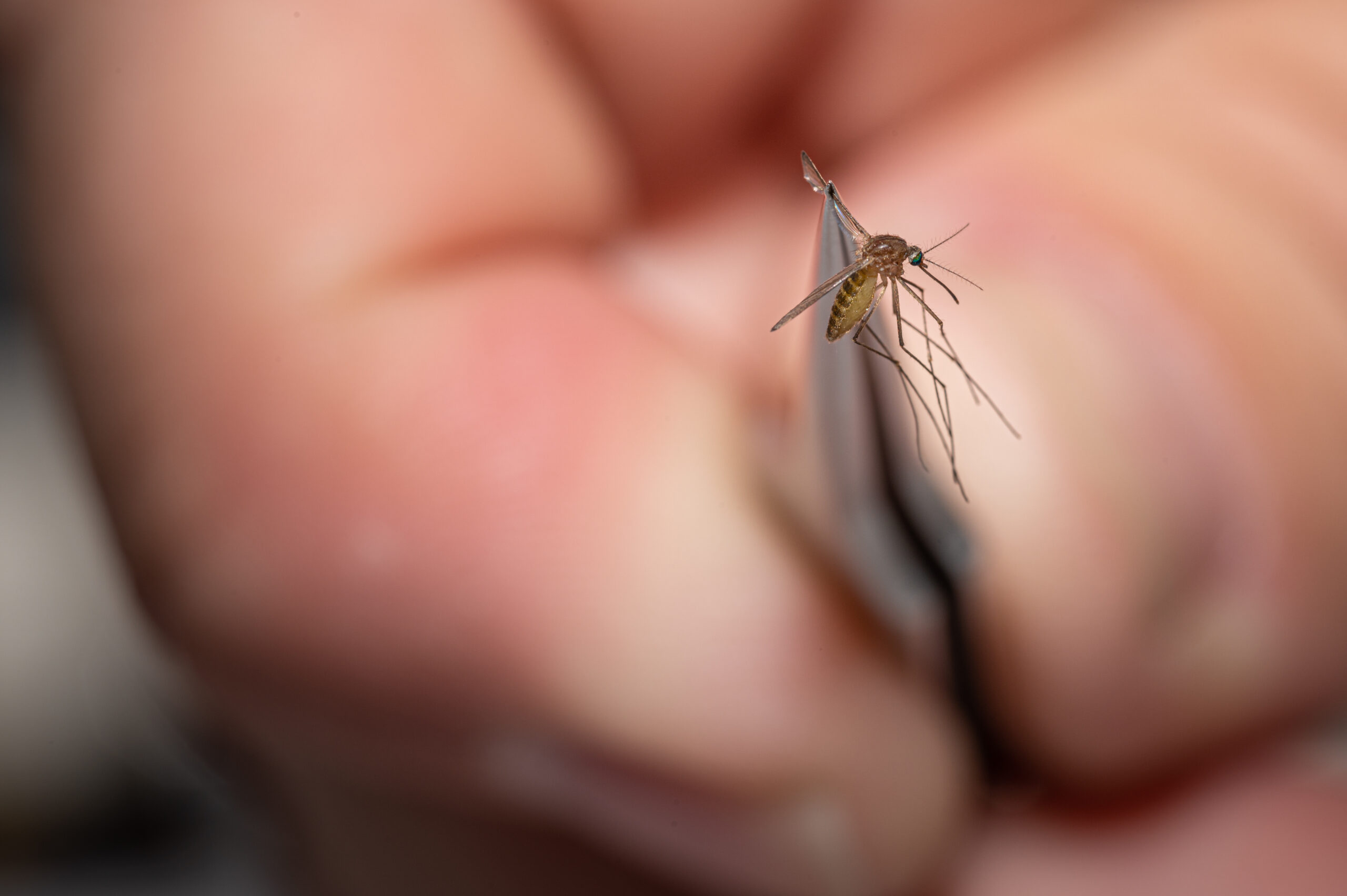
The virus is transmitted to humans through mosquitoes carrying the pathogen. This disease is not common, with only a few human cases nationwide each year, most of which occur in eastern states or states along the Gulf of Mexico coast.
Symptoms include fever, headache, chills, and nausea. Infections can also lead to brain swelling, resulting in confusion, seizures, and even coma.
Officials are working to reduce the number of mosquitoes near residences to prevent the spread of the virus. Mosquito repellents registered by the United States Environmental Protection Agency (EPA), containing active ingredients such as DEET, picaridin, IR3535, lemon eucalyptus oil, p-menthane-3,8-diol, or 2-undecanone, can effectively repel mosquitoes, but mosquito repellents are not recommended for infants under two months.
It is recommended that infants wear long-sleeved shirts and pants, and protective nets should be added to cribs, strollers, and carriers. Adults should wear closed-toe shoes, socks, light-colored long pants, and long-sleeved shirts, and check if doors and window screens are tightly closed. If damaged, they should be promptly repaired or replaced. Additionally, all stagnant water that could breed larvae should be emptied out.