
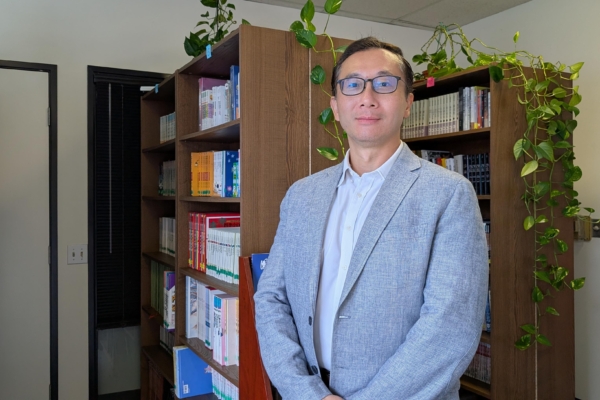
The U.S. government is considering cancelling the current “Duration of Status” (D/S) system for F (student), J (exchange visitor), and I (foreign media) visas, and instead implementing fixed stay periods, raising concerns among international students and the media industry. According to attorney Chen Qigeng from Green Maple Law Group, once the new regulation is implemented, all individuals holding D/S status will be affected, particularly students enrolled in long-term programs, those using OPT (Optional Practical Training) or Day 1 CPT, and foreign media journalists based in the U.S.
Chen Qigeng explained that the current F-1 student visa system under the D/S regime allows individuals to legally stay in the U.S. as long as they maintain their lawful student status, without being subject to fixed stay periods. The new rule would limit approvals to a maximum of 4 years each time, requiring individuals to apply for status extension with the U.S. Citizenship and Immigration Services (USCIS) upon expiration, where the government would reevaluate their student eligibility.
He advised that current international students in the U.S. holding D/S status should immediately check the Program End Date on their I-20 forms. If their programs are expected to exceed 4 years, even if the I-20 remains valid, they must apply for an extension before the deadline to avoid risking legal status.
Furthermore, the new regulation reduces the post-graduation Grace Period from 60 days to 30 days, directly impacting graduates applying for OPT planning. Chen Qigeng suggested that students should prepare the necessary documents for OPT before graduation to ensure they meet the eligibility requirements on time.
Regarding longer programs such as master’s, doctoral, or medical school studies exceeding 4 years, Chen Qigeng mentioned that the new system does not prohibit extended education but requires students to reapply for F-1 status extension every 4 years with the immigration authorities. In cases of illness, research delays, or other significant factors preventing timely graduation, extensions may still be granted with proper medical documentation, school records, or other written evidence.
In addition to students, I visa holders in the media category will also face significant impacts. Chen Qigeng noted that the previous D/S system for I visas is now limited to an 8-month maximum stay per entry under the new rule, after which individuals must depart and reenter the U.S. or apply for an extension within the country. For foreign media conducting long-term assignments in the U.S., this not only adds administrative procedures but may also increase time and costs associated with traveling to and from the U.S., impacting news coverage and personnel scheduling.
Regarding the reasons for government reform, Chen Qigeng believes that the primary goal is to periodically reassess whether individuals are genuinely engaging in activities in the U.S. as per their visa purposes, such as F-1 students continuously studying rather than using student status to remain in the U.S. long term. Controversial programs like Day 1 CPT will also face stricter scrutiny regarding their relevance to academics and career development.
As to whether the new regulations might face legal challenges and be halted, he noted that any administrative rule in the U.S. is subject to litigation, with some groups already considering legal challenges. However, until a court ruling is reached, individuals should adhere to current regulations rather than basing their status planning solely on speculations about future policy directions.
Chen Qigeng concluded by advising individuals planning for long-term development in the U.S. to proactively pursue permanent residency (green card) rather than relying long-term on F-1 or other non-immigrant visas, to mitigate risks posed by policy changes. ◇