
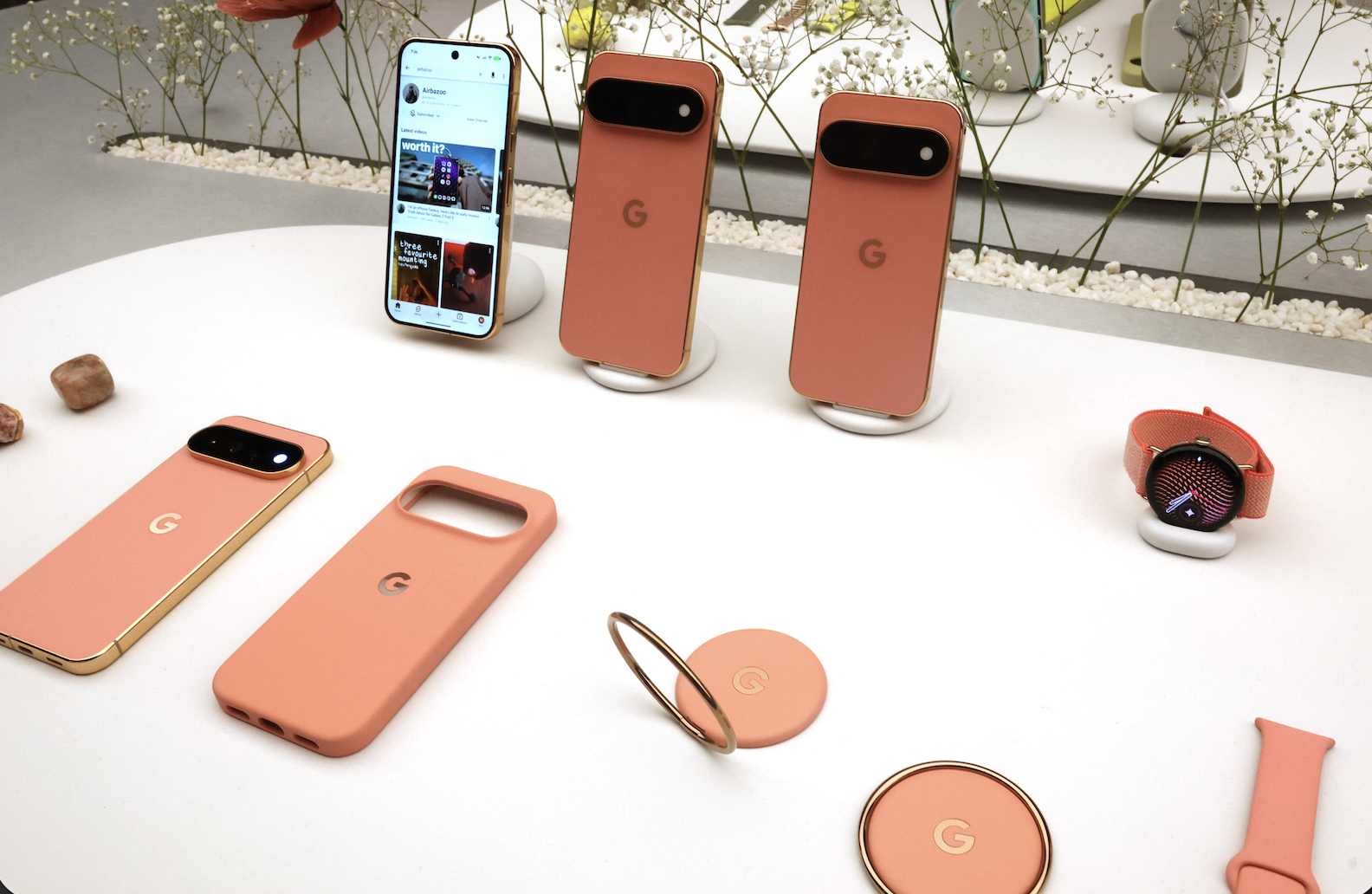
Google held its annual “Made by Google 2026” event in New York on August 12, introducing the Pixel 11 series of smartphones (including Pixel 11, Pro, Pro XL), the Pro Fold folding device, and the Pixel Watch 5 smartwatch.
The focus of this event was on AI capabilities and reducing digital distractions, showcasing a dual-track strategy of software and hardware integration. On the software side, Google highlighted its “Gemini Intelligence” with Agentic AI capabilities at its core. On the hardware side, the core design philosophy was defined as “Quieting Tech Distractions”, aiming to address concerns about smartphone usage time and digital distractions while redefining the role and balance of smartphones.
In terms of software applications, the new system features automated links across apps, connecting messages, calendars, maps, and more to compare schedules, travel plans, and even assist users in making restaurant reservations. This design core reshapes human-machine interaction modes.
As Rick Osterloh, head of Google’s hardware division, pointed out in an interview, people have used laptops and smartphones in almost the same way for the past 10 to 15 years. However, AI is expected to change how people use smartphones, shifting devices from mere information retrieval tools to directly helping users complete tasks.
This development also hints at the subtle competition between Google and Apple. With Apple set to launch a new version of Siri powered by Google AI models, Google finds itself in a unique position competing directly with its biggest AI customer.
Osterloh made it clear that the development direction of Pixel and iPhone are fundamentally different. The future Pixel will showcase market differentiation and core advantages through exclusive fraud detection, Rambler voice transcription technology, and deeper integration with the Android system.
A standout change in Pixel 11 is the addition of a “HiLight” notification light system around the rear camera module.
The logic behind this design is to encourage users to lay their phones face down, with different-colored ambient light flashes helping users identify important incoming calls or emergency notifications without having to light up the screen, reducing the need to check the phone frequently for fear of missing important alerts.
With the launch of the new devices, Google also initiated a global brand marketing campaign named “Uninterrupted” and enlisted NBA star Stephen Curry in promotional ads, accurately depicting the modern-day pain points of interruptions during dining or meaningful conversations.
Google aims to position the Pixel 11 as a communication tool that “knows how to be quiet”, emphasizing that when users focus on real-life interactions, technology should take a back seat and assist people in reclaiming their focus on the present.
According to Counterpoint Research, AI features have significantly risen in consumer purchasing considerations, with Apple currently having the largest user base of generative AI devices. Both Google and Apple are testing whether autonomous AI can trigger a new wave of device upgrades.
Furthermore, in the face of strict scrutiny regarding excessive smartphone use in European and American societies and potential policy regulatory pressures, Google’s “reduce distractions” strategy is forward-thinking and serves as a proactive brand defense positioning that can make a significant difference in a fiercely competitive market.
Lastly, due to the global shortage of memory components, the manufacturing costs of consumer electronic products are sharply rising. Osterloh confirmed that the entire industry is facing pressure to increase sales prices, and Google expects to adjust the final pricing of its hardware devices.