
In the past, China’s practice of revitalizing local economies through the establishment of economic development zones and industrial parks is facing a transformation. Following the merger of 21 provincial-level economic development zones, Liaoning Province is set to further merge 28 provincial-level economic development zones, reducing the total number of such zones in the province from 92 to 43.
According to a report by CCTV’s “Focus Interview,” in the past, economic development zones often enjoyed special preferential policies to attract investment and projects, leading every county to aspire to establish its own economic development zone. With a total of 100 districts and counties in Liaoning Province, there were 92 provincial-level economic development zones, with nearly one in each district or county.
However, due to the phenomenon of “policy cannibalization,” a situation has arisen where resources are scarce, efficiency is low, and internal competition is intense, making it unsustainable to solely pursue scale expansion based on quantity. Recently, Liaoning Province initiated comprehensive reforms and integration of the province’s economic development zones, merging 21 provincial-level zones and implementing various reforms in others, such as streamlining internal structures and establishing mechanisms for revenue sharing with local governments. In the next phase, Liaoning Province plans to merge an additional 28 provincial-level economic development zones, aiming to achieve its interim integration goals.
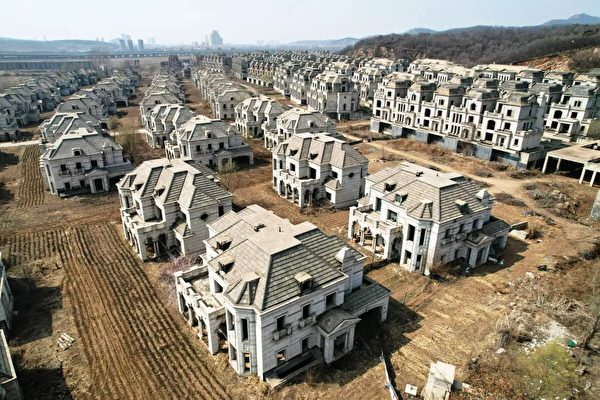
In addition to the consolidation of economic development zones, in recent years, many industrial parks have also faced a rising vacancy rate.
According to a report published by Fangsheng Research in December 2025, which provides industry consulting services to industrial park companies, the average rental rates in industrial parks have been declining year by year, with occupancy rates continuously decreasing. The overall vacancy rate in industrial parks in first and second-tier cities is around 30%, while in third and fourth-tier cities, the vacancy rates are even higher, with some cities reaching over 70%.
Chinese industrial parks are also under pressure from a dual adjustment of rental rates and occupancy rates, facing challenges in balancing these factors.