
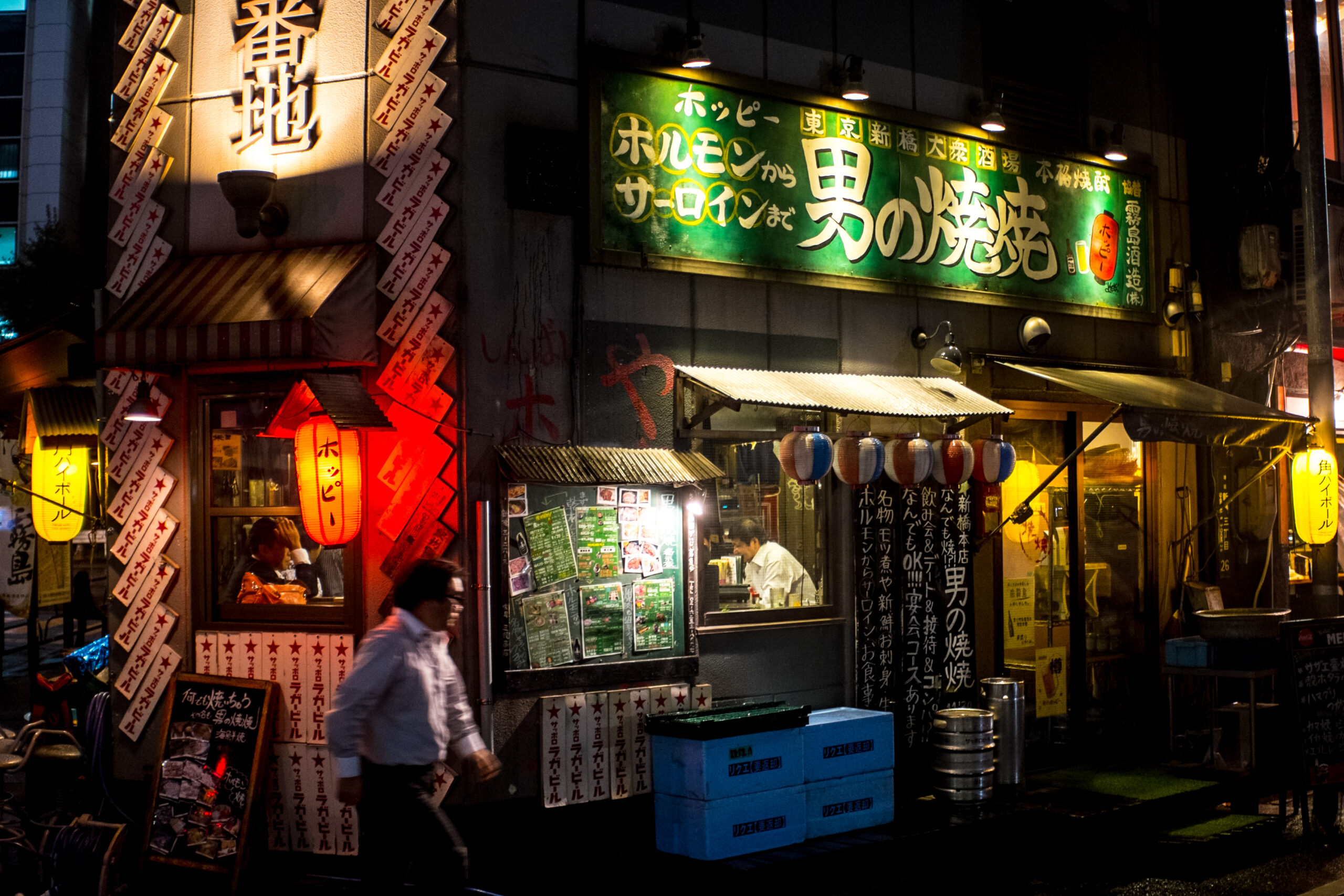
Tokyo’s neon street scenes, Kyoto’s ancient temples, and Okinawa’s turquoise beaches have all been attracting a significant number of global tourists, including many American visitors, as the Japanese yen continues to remain weak. Japan’s rich history and unique culture offer a fascinating experience for travelers from the United States, but they may accidentally make mistakes due to unfamiliarity with local customs, especially when dining in Japanese restaurants.
According to data from the Japan National Tourism Organization (JNTO) cited by JTB Tourism Research & Consulting Co., American tourists ranked third in the total number of international visitors to Japan in March 2026. Apart from visiting temples, enjoying cherry blossoms, and climbing Mount Fuji, savoring Japanese cuisine is a delightful experience. However, Japanese dining culture comes with a set of etiquette norms that American tourists may unwittingly violate within the first 10 minutes of stepping into a restaurant.
The essence of Japanese hospitality, known as “Omotenashi,” revolves around a concept of providing care without expecting anything in return. In practical terms, even minor etiquette mistakes are typically tolerated by staff. Nevertheless, before booking a formal kaiseki dinner or heading to a casual izakaya, it would be best to familiarize oneself with the do’s and don’ts of dining etiquette.
As Japanetic, a Japanese etiquette information website, points out, Japanese people pay attention and remember when foreigners not only make an effort to understand “how to do” things but also try to grasp “why it’s done this way.” This attitude is greatly appreciated by the locals.
The professional travel website islands.com has outlined five common Japanese restaurant rules that could catch visitors off guard and provided advice on avoiding these taboos.
When entering a restaurant, a server will offer a towel – a cool one in summer and a warm one in winter. Using it to wipe your face or neck before ordering already constitutes the first mistake in a Japanese restaurant.
These towels, known as “oshibori,” are exclusively meant for cleaning hands before a meal – and only hands.
From being originally reserved for esteemed guests during the Heian period to now being a standard in restaurants across Japan, the widespread use of “oshibori” reflects the deep-rooted hand-cleansing ritual with hundreds of years of history in Japanese hospitality. The guidelines for using “oshibori” have remained unchanged: wipe hands with the moist towel, fold the used side inward, and place it back on the tray or plate provided.
In Western social drinking norms, pouring oneself a drink usually doesn’t draw much attention. However, in Japan, it is considered impolite. When faced with freshly served sake or beer, it’s essential to first pour drinks for your dining companions before serving yourself – a custom known as “oshaku,” an unwritten rule in Japanese drinking culture emphasizing pouring for others before oneself.
Whether at formal occasions like weddings or casual dinners with friends, this practice applies universally.
“Oshaku” embodies thoughtfulness and respect in social settings. Michiko Sato, a guide and etiquette expert at Palace Hotel Tokyo, emphasized to AFAR magazine that this etiquette reinforces the Japanese commitment to proactively take care of guests without explicit requests.
Violating chopstick etiquette is among the behaviors that local Japanese find off-putting.
In Japan, tourists’ improper chopstick etiquette often touches upon funeral customs. One of the most serious taboos is “tatebashi,” or sticking chopsticks vertically into a rice bowl, typically done to offer rice to the deceased at a send-off.
JNTO has listed some common misconceptions about using chopsticks: refrain from moving dishes with chopsticks, pointing at items, or stabbing food directly. However, don’t let unskilled chopstick handling dampen your enjoyment of Japanese cuisine. If necessary, requesting a fork from the establishment is generally acceptable.
In the United States, where income relies on tips, servers are typically warm, attentive, and eager to serve, often checking tables proactively to inquire about refills or additional orders. In Japan, however, it’s not customary for servers to approach tables during a meal.
As summarized by the translation company Local Concept, in a culture like the U.S. that values individualism, businesses strive to make each customer feel valued, whereas in Japan’s collective society, the focus is on harmony and respect, avoiding behaviors that could disturb others.
In a country renowned for its manners, this practice may seem counterintuitive, but in Japanese restaurants, it’s correct to signal a server when needed. Out of respect for the privacy of diners, servers typically refrain from approaching unless signaled, thus requiring customers to actively attract their attention.
For popular upscale restaurants in Japan, such as kaiseki dining establishments or Michelin-starred venues, securing a reservation is no easy feat. Therefore, arriving 10 minutes late for your hard-won reservation can already be seen as a misstep before the dining experience even begins.
In the U.S., tardy diners often enjoy a grace period, contrary to Japan, where punctuality is paramount. Being early is considered a sign of respect in this time-conscious country. Omakase Japan Eatinerary, a restaurant booking website, emphasizes that arriving a few minutes early is a demonstration of reverence for the chef’s meticulous cooking timeline and consideration for fellow diners.
Hence, it’s crucial to allocate an extra 5 to 10 minutes to arrive on time. If unforeseen circumstances prevent timely attendance, promptly informing the restaurant is essential.
Also, remember that eating while walking indoors may draw disapproving glances from locals.