
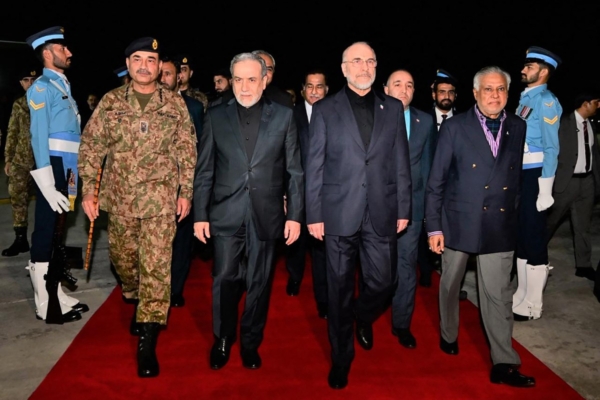
Iranian media reports that Iran will stop indirect talks with the United States and will fully block the Strait of Hormuz. Oil prices surged in response to this development. The United States has yet to respond to this news.
According to the semi-official Iranian media outlet Tasnim, Iran’s negotiating representatives will no longer exchange messages with the US through intermediaries and will completely block the Strait of Hormuz in retaliation for Israeli attacks on Hezbollah in Lebanon.
Tasnim reported that Iran has demanded Israel cease its military actions in Lebanon and Gaza, stating that Iran will not engage in talks with the US until this demand is met. The report also stated that Iran believes Israel’s attacks on Hezbollah violate the ceasefire agreement reached by the United States and Iran on April 8.
Following Tasnim’s report, oil prices surged nearly 8% on Monday.
As of 10:07 AM Eastern Time on Monday, West Texas Intermediate crude oil futures rose by 7.8% to $94.20 per barrel. International benchmark Brent crude oil futures rose by 6.7% to $97.23 per barrel.
Since the outbreak of the Iran War on February 28, Hezbollah fired on Israel on March 2 to support Iran, drawing Lebanon into the broader conflict. Israel subsequently launched ground military operations and airstrikes in Lebanon to eliminate the threat posed by Hezbollah.
According to CBS, a US official stated on Sunday evening that US Secretary of State Antony Blinken held separate conversations over the weekend with Lebanese President Josef Aoun and Israeli Prime Minister Benjamin Netanyahu regarding ongoing negotiations between Lebanon and Israel.
In order to advance negotiations, the US proposed a series of measures, demanding that Hezbollah, supported by Iran in Lebanon, cease all attacks on Israel. In exchange, Israel would avoid escalating actions in the Lebanese capital, Beirut.
Lebanese President Aoun attempted to advance this proposal, but US officials found the response from Lebanese Parliament Speaker Nabih Berri “disappointing.” Berri is a prominent Lebanese politician who has served as a mediator in dialogues between the US and Hezbollah (long designated as a terrorist organization).
US officials stated that Israel is not expected to tolerate continued attacks by Hezbollah on civilians, emphasizing that the quickest way to de-escalate and protect civilians on all sides is for Hezbollah to cease attacks first.
Berri stated that he can “guarantee” Hezbollah will abide by the ceasefire agreement, contingent on Israel ceasing attacks on Hezbollah first. However, the US official expressed disappointment in Berri’s remarks, noting that it was the Iran-backed Hezbollah that initiated the current round of conflict on March 2.