
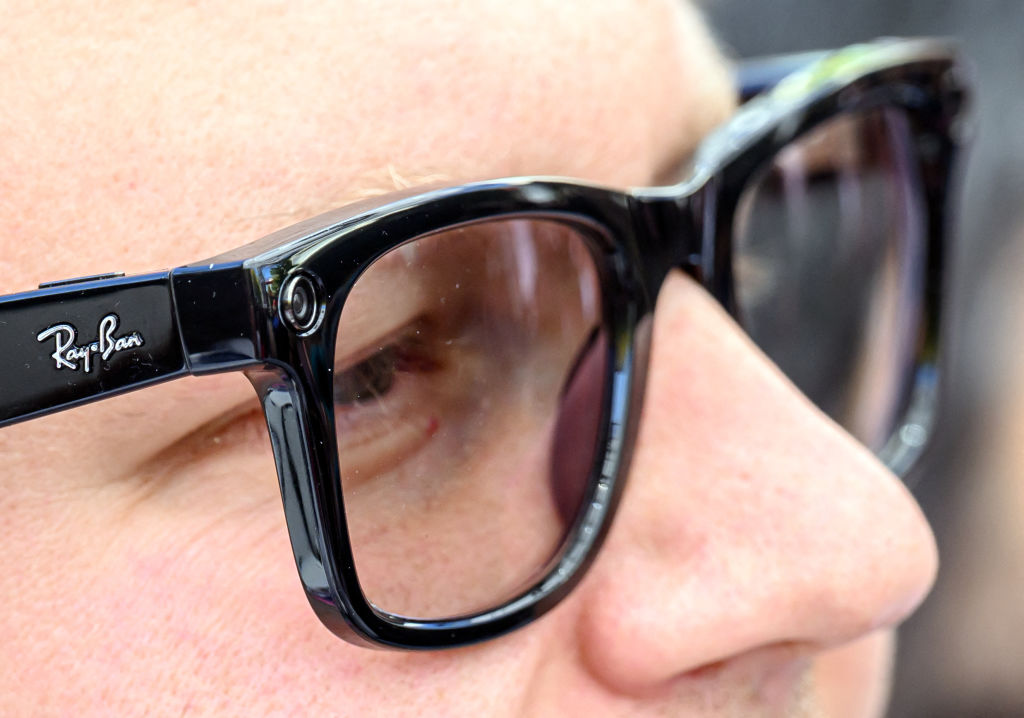
Germany’s digital rights organization HateAid announced on Wednesday that it has filed a criminal complaint with relevant authorities regarding the sale of Meta AI smart glasses in Germany. The organization alleges that the product may violate local digital privacy laws and has called for a ban on the sale of Ray-Ban Meta Wayfarer smart glasses.
HateAid stated that it has submitted the complaint to the Central Office for Cybercrime (ZIT) located in Frankfurt, which operates under the public prosecutor’s office. The defendants in the complaint include the management of Meta Platforms Technologies Ireland Limited, the eyewear manufacturers Ray-Ban and Oakley under EssilorLuxottica, as well as German retailers Fielmann, Apollo-Optik, Mister Spex, and MediaMarkt.
The main focus of the organization’s accusation is on the Ray-Ban Meta Wayfarer smart glasses, particularly the second generation Wayfarer Gen 2. HateAid believes that these glasses, while appearing similar to regular eyewear, contain a built-in camera and microphone that could allow wearers to take photos without others’ knowledge, potentially violating Germany’s Telemedia Digital Services Data Protection Act (TDDDG). The law prohibits the sale of devices disguised as everyday items that can be used for recording or eavesdropping on others without their knowledge.
If the individuals responsible are convicted, they could face fines or up to two years in prison, with possible confiscation of related profits. The case is currently in the accusation stage, and the allegations have not yet been subject to judicial review or judgment.
HateAid’s Managing Director Josephine Ballon stated in a release that whether in subways, workplaces, or sauna facilities, people may be at risk of being recorded by smart glasses. The organization noted an increase in image-based online violence cases in recent years, primarily affecting women, and smart glasses could make such covert filming more difficult to detect.
However, the Federal Network Agency of Germany (BNetzA) holds a different stance from HateAid. The agency informed Reuters that they are closely monitoring the smart glasses market but have not initiated any formal investigations into potential violations.
BNetzA clarified that owning, importing, or selling smart glasses is not prohibited per se, as long as the recording function of the device is clearly identifiable to others, such as having a visible optical signal during recording. The agency had previously stated that devices capable of secretly recording audio or video are prohibited in Germany.
Retailer Mister Spex responded by stating that they have not received any official notification of the complaint and emphasized the company’s strong commitment to privacy protection.
According to a report from SWR, a state-level privacy protection agency in Hamburg took legal action regarding the use of smart glasses in July this year.
(Reference: Reuters)