
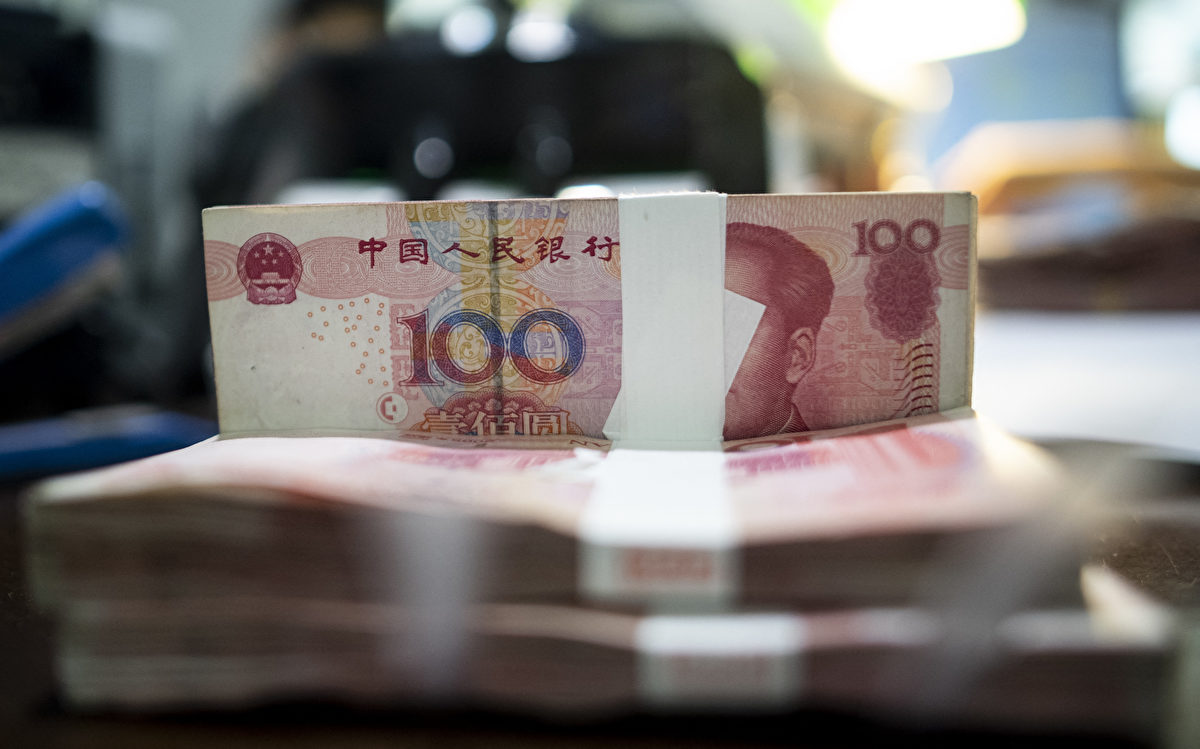
Recent reports have revealed that some regions in China have begun reclaiming bonuses and subsidies previously given to epidemic prevention personnel during the pandemic lockdown period. The Communist Party of China (CCP) had used frontline medical workers and individuals in white protective suits as important symbols of the anti-epidemic efforts. Now, some individuals are being asked to return the epidemic prevention bonuses they received during that time.
According to officials and employees in the CCP’s financial system, public servants, teachers, and personnel in state-owned enterprises from various regions have disclosed that besides cutting off salaries and performance bonuses, some regions are also auditing past allowances and rewards distributed in the previous few years, demanding employees to return the money. The financial difficulties at the local level are no longer isolated issues but are affecting regions at large, with a primary focus on maintaining salaries and basic government operations.
Mr. Hu from the Jiangsu Finance Bureau mentioned that the financial strain was initially concentrated in certain counties and townships, but has now become widespread. With local financial reserves depleted and land sales revenue dwindling, essential spending cannot be reduced. Many public servants were recruited through connections, making it challenging to downsize. Numerous departments are relying on provincial “aid” to pay salaries.
It has been reported that some regions are conducting new audits on performance bonuses, living allowances, and benefits distributed to government agencies and enterprises in the past 3 to 5 years. Some reimbursements are not limited to future payments but are retrospective, including year-end bonuses, living subsidies, and temporary work allowances for frontline epidemic prevention personnel during the pandemic.
Ms. Jiang, a volunteer from Wuhan, expressed her dismay, stating that it is outrageous to reclaim the bonuses intended for compensating frontline workers after many years have passed since the lockdown. She questioned how the country could be in such dire financial straits while still donating money to Africa, as reported recently.
Mr. Huang, a civil servant in Tongzi County, Guizhou, shared that recent directives required employees to return performance bonuses within 10 days, causing frustration among staff who had already spent the money. The sudden demand to contribute significant amounts to fill the financial gaps led to public outrage within the community.
Financial data released by the CCP’s Ministry of Finance for the first half of 2026 indicates a continued decline in traditional revenue sources for local governments. Local government-level income from special funds significantly decreased compared to the same period last year, with a continued double-digit decline in revenues from the long-standing reliance on state-owned land use fees.
Meanwhile, the targets for reclaiming bonuses now include government agencies, schools, and some state-owned enterprise personnel.
Ms. Sun, an office staff member at a school in Heyuan, Guangdong, emphasized that stable income was a key factor for individuals entering the system. However, salary cuts, suspension of performance bonuses, and reclamation of previously distributed bonuses and allowances have become prevalent. Since last year, her school has experienced a salary cut and two performance bonus suspensions.
She expressed, “Our salaries were already low, and now a 10% reduction along with the suspension of performance bonuses is hitting us hard. The good days are over within a few years, and now the financial pressure is affecting the school directly.”
Healthcare workers, epidemic prevention personnel, civil servants, and teachers in mainland China, who were considered relatively stable in terms of income, are now facing salary reductions, suspension of bonuses, and reclamation of past bonuses and allowances in different regions.
Overseas scholars believe that even the basic income stability of individuals within the system is now at risk, with official measures of retroactive reclaiming akin to forced bloodletting. The financial crisis at the local level is beginning to impact the CCP’s fundamental interests in maintaining grassroots control. If individuals within the system lose trust in the regime, it could lead to apathy, blame-shifting, and widespread disengagement. The bureaucratic system relies on benefits and stability to function; once this trust is shattered, the administrative machinery crucial for the CCP’s governance could malfunction, ultimately destabilizing the regime in Beijing.