
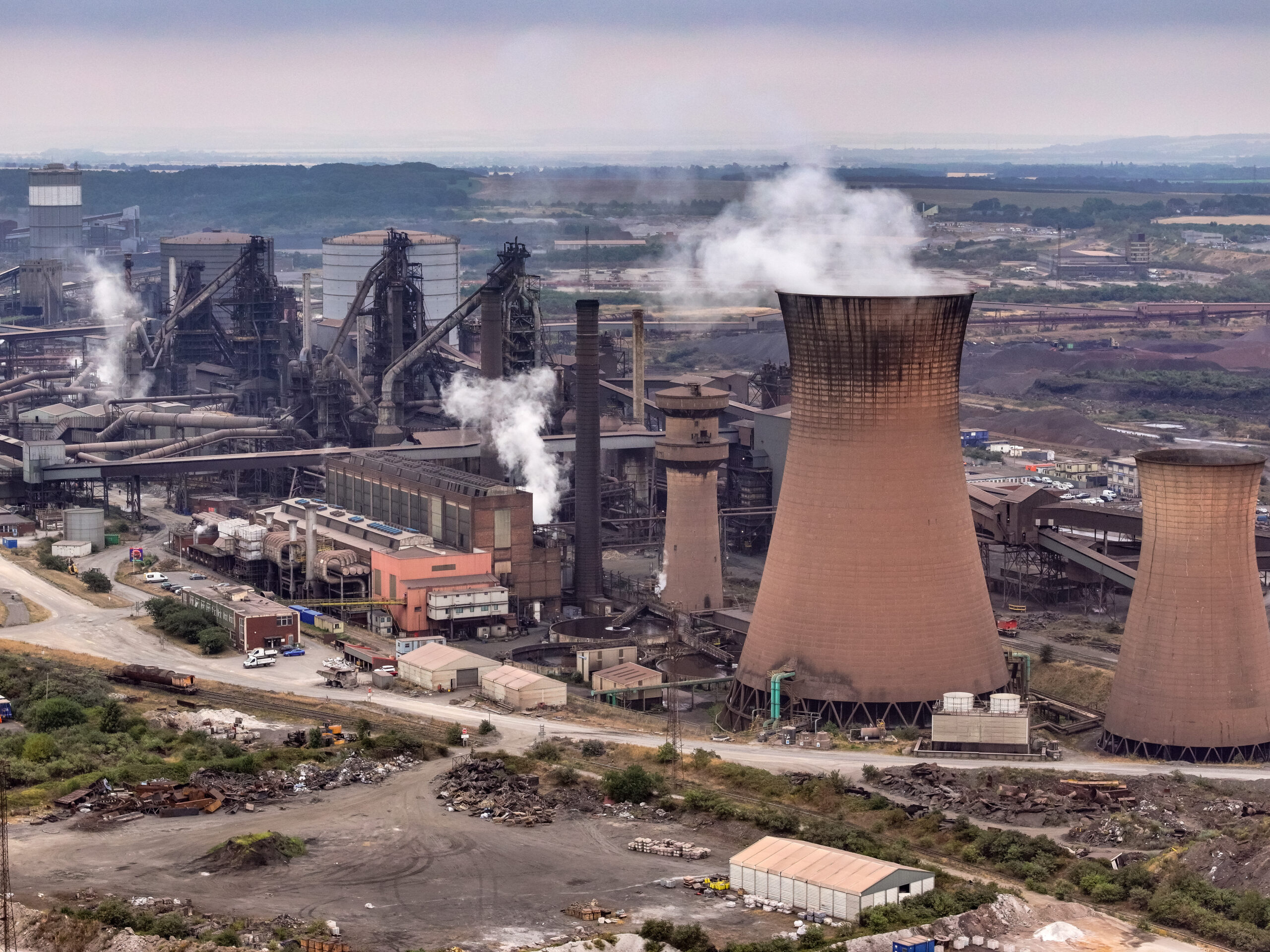
After several years of the Sino-British corporate control dispute, a conclusion has finally been reached. On July 17th, the British government officially completed the nationalization of British Steel, ending the operational journey that began with the acquisition by China’s Jingye Group in 2020.
This dispute not only involves issues of corporate investment and compensation but also reflects the UK’s recent incorporation of key industries like steel into considerations of national security and supply chain resilience. Several British media outlets and think tanks view this case as an important example of the UK’s efforts to “de-risk” strategic investments from China.
The British government finalized the nationalization process of British Steel on July 17th. Prime Minister Stamer described the company as the “cornerstone of Britain’s industrial strength” and emphasized its significance in maintaining the domestic steel manufacturing capability.
UK Secretary of State for Business, Peter Kyle, stated in a release that following nationalization, the government will work towards ensuring stable operations for the company and developing a sustainable, competitive, and low-carbon steel industry.
After acquiring British Steel in 2020, Jingye Group invested over £1.2 billion to sustain factory operations despite facing long-term production instability and operational pressures. However, the group recently indicated plans to close two blast furnaces at the Skensoup plant in England, prompting intervention by the UK government.
These two blast furnaces at the steel plant are the last in the UK that can produce crude steel directly from iron ore. Once shut down, the UK would lose its complete blast-furnace-to-basic-oxygen-furnace steelmaking system, becoming the only G7 country without native steel production capability. Consequently, the UK government intervened in 2025, taking over operational control of British Steel and officially completing the nationalization process in July.
In a statement on the 17th, Stamer expressed, “Today’s decision secures the future of British steel manufacturing, protects technical jobs, and defends a critically important national capability.”
On the same day, the Chinese Ministry of Commerce firmly opposed and expressed strong dissatisfaction with the relevant decisions of the UK government, stating that measures would be taken to safeguard the legitimate rights and interests of Chinese companies.
In a statement, the Jingye Group emphasized that since acquiring British Steel in 2020, substantial funds have been invested in equipment upgrades, production operations, workforce, and green transformation. The group deemed the UK government’s takeover as an “extreme and escalating measure” and indicated intentions to seek legal action for full compensation.
The UK Labour government stated that since taking over company operations in 2025, the two blast furnaces had been kept running continuously. The government highlighted that the company was incurring over £1 million in losses daily at that time, leading to the decision for complete nationalization to ensure the UK retains its native steel production capability.
The UK government mentioned appointing an independent assessment agency to evaluate the need for compensation to be paid to the Jingye Group and the amount involved.
In recent years, the evolving policy statements from the UK government indicate a gradual intertwining of steel industry policies with national security and supply chain resilience considerations, rather than solely focusing on corporate operations. The government believes that without the capability to produce crude steel from iron ore, future major infrastructure projects such as warships, nuclear facilities, bridges, and railways would heavily rely on overseas supplies.
The UK’s steel industry event shares a similar policy background with cases involving Huawei, semiconductors, and nuclear energy, reflecting a shift in the UK’s approach to Chinese strategic investments focusing on risk mitigation.
In 2020, the UK government decided to fully exclude Huawei from 5G communication network construction, citing national security concerns, and requested the gradual dismantling of existing equipment. This decision symbolized a significant shift in the UK’s policy towards Chinese high-tech companies.
In 2022, based on the National Security and Investment Act, the UK required Nexperia, controlled by a Chinese background company, to sell the majority stake of the UK’s largest wafer fab, Newport Wafer Fab, due to semiconductor implications for future national security and critical supply chains.
Also in 2022, the UK government adjusted its nuclear energy policy, gradually excluding China General Nuclear Group (CGN) from the Sizewell C nuclear power station project to reduce Chinese capital involvement in critical energy infrastructure.
The House of Commons Library pointed out that the government’s interventions in the steel industry consider national security, economic resilience, supply chain security, and the transition to net zero, rather than simply maintaining corporate operations.
Several British media outlets and think tanks analyzed that from the cases involving 5G, semiconductors, nuclear energy to steel, the UK’s policy focus in recent years on Chinese investments in strategic industries has gradually shifted towards emphasizing “de-risking.”