
With the Middle East conflict heating up again and pushing oil prices higher, many airlines are facing immense pressure. Some investors and industry insiders believe that the aviation industry is facing consolidation pressure, with financially weaker European airlines possibly facing bankruptcy, restructuring, or acquisition.
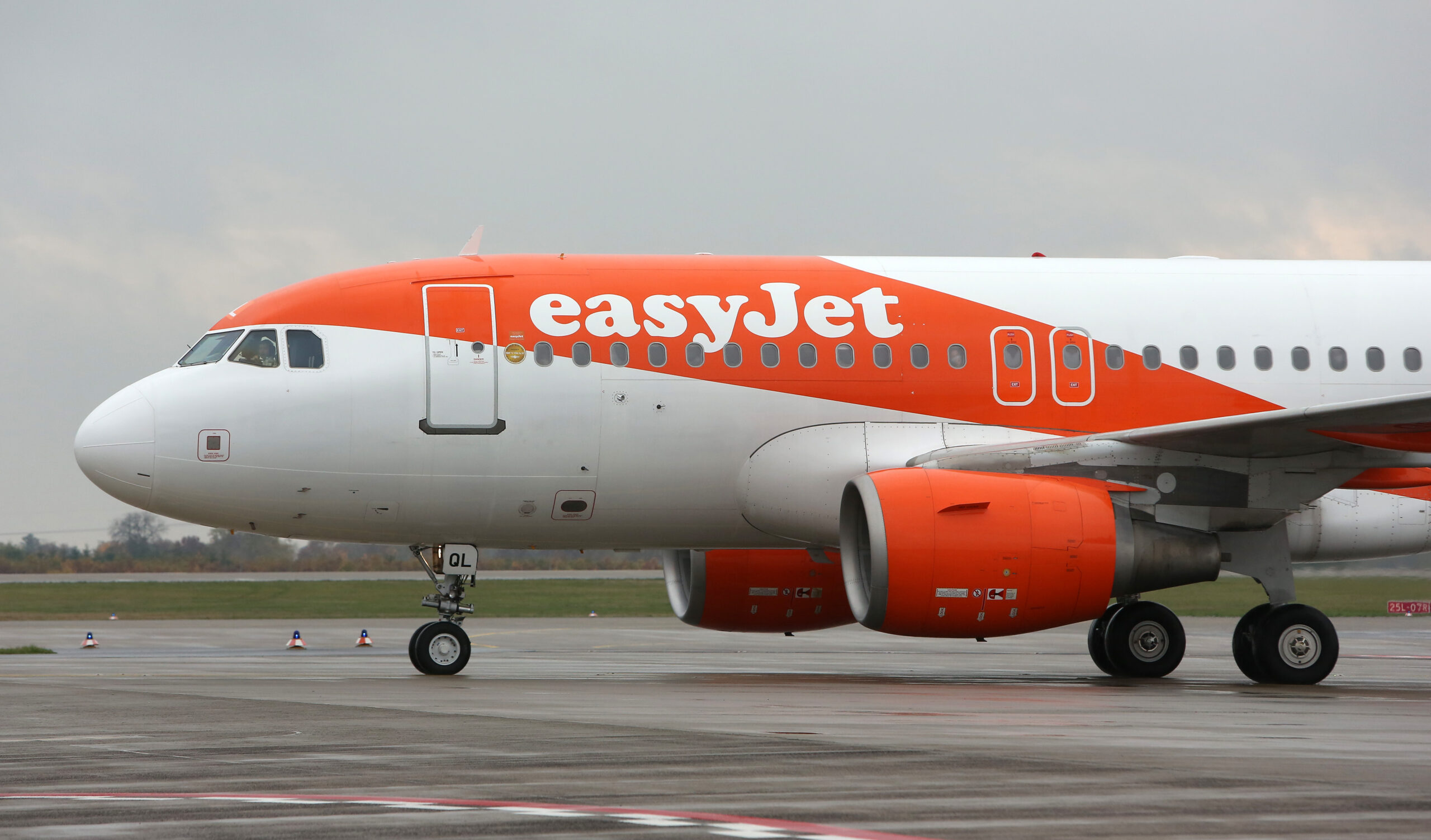
Currently, easyJet, a budget airline with 30 years of history in the UK, is set to be sold to an American consortium at a valuation lower than pre-pandemic peaks, sparking market interest in whether a wave of restructuring and consolidation will hit the European aviation industry.
Latvia’s airBaltic is seeking short-term financing to avoid default; LOT Polish Airlines has long been seen as a potential merger target; and Norse Atlantic, a Norwegian airline, has seen its stock price plummet to near-zero levels since going public and is currently undergoing strategic evaluations.
AirBaltic declined to comment on the matter. LOT Polish Airlines stated that its performance in recent years proves the strength of its business model and long-term strategy, while Norse Atlantic did not respond to requests for comments.
Financial advisory firm Interpath’s EMEA region director, Barema Bocoum, revealed to Reuters that they are proposing restructuring plans to about four to five major European airlines facing restructuring situations.
Willie Walsh, former CEO of British Airways and current Director General of the International Air Transport Association (IATA), representing over 370 airlines globally and about 85% of the world’s air traffic, warned during a conference in Rio de Janeiro in June that if fuel costs remain high, some smaller airlines are expected to go bankrupt or be acquired by larger airlines between this year and next.
Despite Wizz Air from Hungary emphasizing its sufficient liquidity, analysts warn that the company’s balance sheet may be relatively fragile, making it a potential target for aviation consolidation.
Wizz Air CEO Jozsef Varadi disclosed to reporters in April that with weakening winter flight bookings, more bankruptcy cases in the aviation industry are anticipated after the end of this summer. However, he optimistically mentioned that Wizz Air may benefit from the struggles of other operators by seizing opportunities to take over released routes.
Michael O’Leary, CEO of Ryanair, also predicted in April that if oil prices remain high, there could be “two to three European airlines bankrupt” this winter, singling out Wizz Air and airBaltic as high-risk operators.
Previously, the parent company of German airline Condor Flugdienst has hired banks to find a buyer.
In early June, international Brent crude oil prices were around $97, but after the temporary ceasefire agreement between the US and Iran in mid-June, prices plummeted to $72. However, with Iran’s attacks on commercial ships violating the ceasefire agreement and tensions escalating between the US and Iran, oil prices soared to around $85 on July 16.
Many bankers, investors, and analysts have indicated that the Iran conflict has led to a significant surge in fuel prices this year, exacerbating the ongoing cost pressures since the pandemic. British aviation analyst Rob Morris lamented, “It feels like this industry cycle seems to have ended before it even started.”
IATA drastically reduced its 2026 aviation industry net profit forecast to only about $23 billion in early June, much lower than the previous forecast of $41 billion and below the $45 billion in 2025. Fuel expenses are expected to soar from $252 billion in 2025 to around $350 billion, accounting for nearly a third of operating costs.
At the time, Walsh stated that airlines are expected to cut unprofitable routes to maintain profitability amid strong demand but reduced capacity. “With demand still strong and capacity reductions, ticket prices are likely to remain high.”
The current environment has forced airlines to slow down their expansion plans. Aircraft manufacturing giant Airbus revised down its 20-year passenger aircraft demand forecast in July due to frequent wars and global trade tensions affecting aviation demand.
Aviation consultant and former industry banker Bertrand Grabowski stated, “Airlines in most parts of the US, Europe, and Southeast Asia are only experiencing very moderate growth, and they are mostly very cautious about increasing capacity. Currently, only a few airlines like Turkish Airlines are exceptions.”
Analysts are closely monitoring capacity plans, second-hand aircraft prices, and the number of bankruptcy cases to identify signs of weakening trends in strong momentum.
London-based aviation analyst James Halstead pointed out, “Smaller airlines may face risks.” He added that for an industry highly reliant on cash flow, losing passenger traffic during the crucial summer travel season could be fatal for some airlines.
He noted that these airlines might barely make it through this summer, but the test will come early next year. “Usually, airlines exhaust their cash by February.”
(This article references reports from Reuters)