
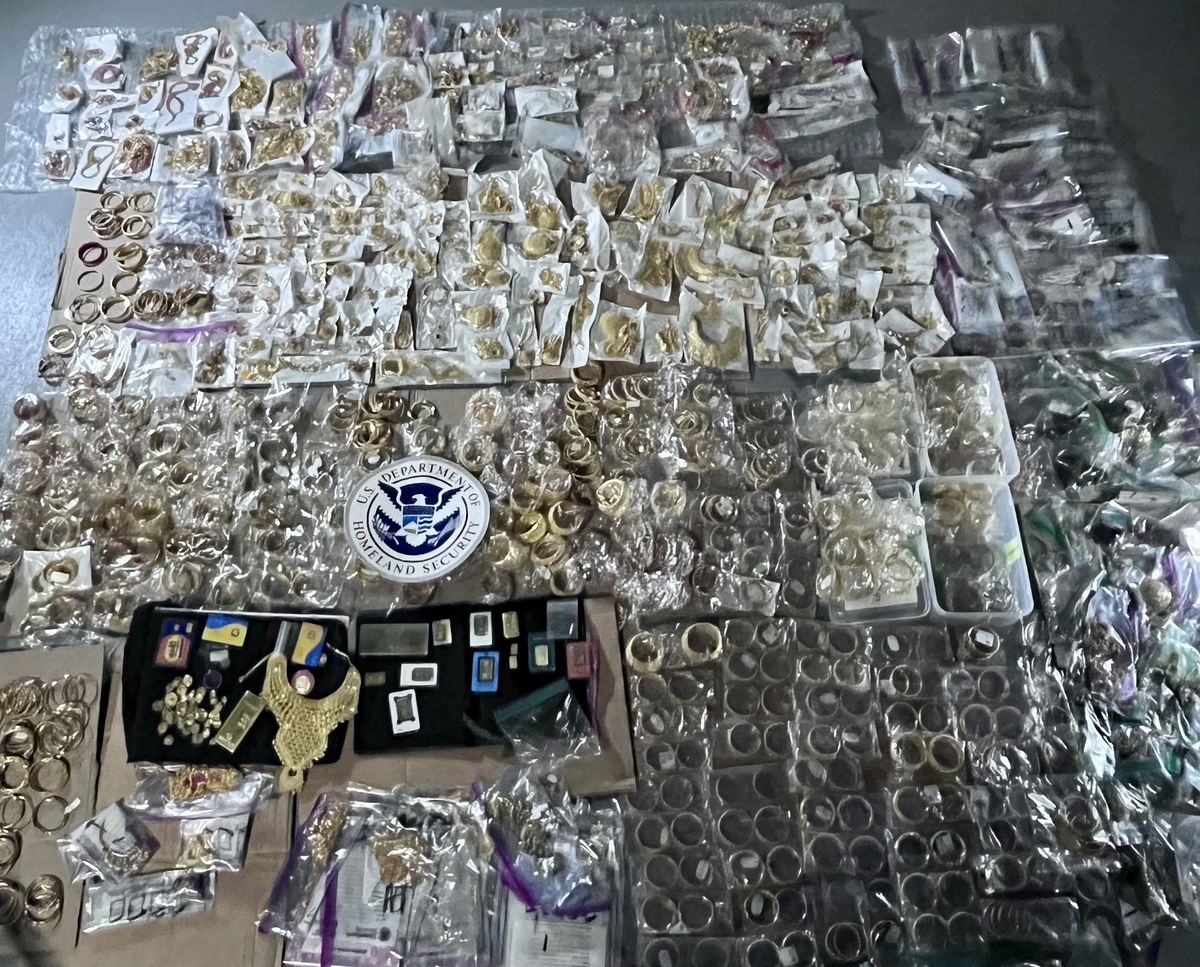
The United States is intensifying its enforcement efforts to combat tariff evasion and trade fraud. The Department of Justice (DOJ) announced on Tuesday, July 14, that the “Trade Fraud Task Force” established in August of last year in collaboration with the Department of Homeland Security (DHS) has achieved over $1 billion in enforcement results in less than a year. These results include civil and criminal recoveries, fines, asset forfeitures, and losses related to prosecuted cases.
This milestone achievement reflects the increasing federal government focus on using criminal prosecutions and civil enforcement actions under the False Claims Act to combat customs and trade fraud behavior.
Colin McDonald, the Assistant Attorney General of the DOJ’s National Fraud Enforcement Unit, stated that for too long, some individuals have seen violating customs regulations as simply part of doing business. Now, the DOJ is leveraging all enforcement resources to make it clear that trade fraud is a serious economic crime.
McDonald emphasized that surpassing $1 billion in enforcement results demonstrates that the U.S. government will no longer tolerate anyone damaging U.S. border security and market order through illicit profit-seeking, and serves as a warning to supply chain-related businesses not to take chances.
The Task Force primarily investigates individuals and businesses suspected of defrauding U.S. Customs and Border Protection (CBP), which includes tariff evasion, transshipping goods through third countries to avoid tariffs, falsely declaring origin, product names, classification, and other import information violating customs regulations.
The enforcement scope covers the entire supply chain, including importers, customs brokers, distributors, and end-users who knowingly profit from illegal imports.
Officials stated that the Task Force is currently focusing on investigating cases evading “Section 301 tariffs”, which are customs tariffs imposed by the U.S. under Section 301 of the Trade Act of 1974 on countries or regions engaged in unfair trade practices.
The DOJ and DHS indicated that the formation of the Task Force aims to protect U.S. businesses, strengthen border and trade enforcement, and hold accountable those who gain unfair competitive advantages through fraudulent trade practices.
On the same day, federal prosecutors in Chicago announced two cases involving allegations of evading import duties on gold jewelry by falsely declaring the country of origin, as part of the DOJ’s crackdown on trade fraud.
In one case, Raj Kohli and Veena Kohli, operators of Surya International in San Francisco, are accused of falsely reporting imported gold jewelry as originating from Singapore when it actually came from India and the UAE. Prosecutors stated that the misconduct involved approximately 563 import declarations between 2020 and 2024, with a total value exceeding $693 million and evading over $38 million in duties.
In another case, Narain Gulabani, the owner of Barkha Wholesale in Naperville, Illinois, was charged with falsely declaring imported gold jewelry as originating from Oman or Singapore between 2016 and 2021. The case involved around 242 import declarations, with a total value exceeding $240 million and evading over $13.6 million in duties.