
Recent Developments in Taiwan’s Drone Industry
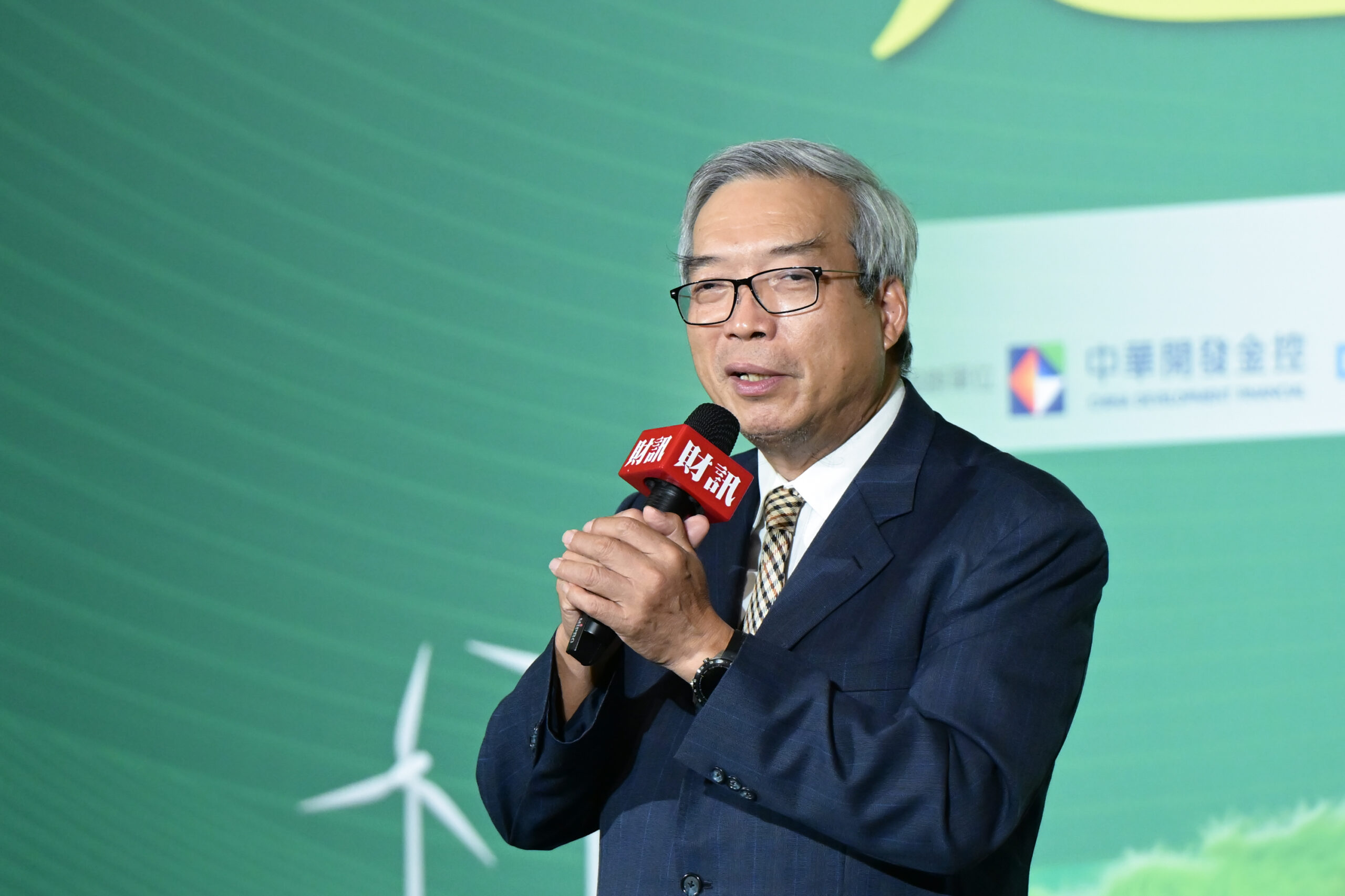
Taiwan’s Financial News Media Chairman, Xie Jinhe, pointed out the significant asymmetrical warfare capabilities showcased by drones and anti-drone technologies in Ukraine. Over the past year, the American Institute in Taiwan (AIT) Director, Garry Talbot, has primarily focused on this area. With Taiwan strategically positioned away from the red supply chain, it is poised to become a key production hub for low-cost drones.
Reflecting on Russia’s long-running invasion of Ukraine, now in its fifth year, Xie Jinhe highlighted how what was initially perceived as a swift and conclusive conflict has evolved into a protracted war of attrition. Surprisingly, Ukraine, once seen as destined for defeat, has managed to achieve unexpected success through drone tactics, which have played a crucial role in their strategy.
Xie Jinhe further explained the impact of Ukrainian drones targeting Russian oil refining facilities, leading to shortages in Russian petroleum supply. Despite Russia being a major energy exporter, their reliance on oil refineries in Ukraine has become a vulnerability. The recent developments have revealed the strategic effectiveness of Ukraine’s targeted drone attacks on Russia.
In a less publicized incident, a small factory named Kun Wei in Chiayi, Taiwan, was identified as one of the suppliers to Ukraine. This prompted Xie Jinhe to convene a discussion on the drone industry with HannStar Chairman Cao Jinping and military expert Li Dongsheng to delve into the implications of the Russia-Ukraine conflict on the drone market.
Acknowledging the sensitivity surrounding drone technology, Xie Jinhe highlighted the discreet nature of Taiwan’s involvement in this industry. Despite the potential for drones to emerge as a lucrative sector, particularly for Taiwan’s information and communication technology (ICT) giants, there is a noticeable reluctance to openly promote these endeavors.
Recounting past investments in drone ventures, like Wistron’s failed foray into Ever Win Aerospace, Xie Jinhe emphasized the legal battles stemming from such ventures involving Chinese interests. Despite notable investments by major Taiwanese corporations like Formosa Plastics, I-Mei, and Pegatron in drone technology, a veil of secrecy shrouds their operations.
The recent events in Ukraine have underscored the effectiveness of drones in modern warfare and the critical necessity for low-cost, expendable drone units. Talbot’s address at the “Navigating 2026 – Taichung Drone Industry and Overseas Opportunities Forum” highlighted the historic economic opportunities for the US and Taiwan in the drone industry, shaping global technological trends and bolstering regional security. The collaboration between the US and Taiwan aims to transform Taiwan into a hub of drone technology, offering a comprehensive defense strategy.
Xie Jinhe highlighted the shift in the US military’s strategy towards prioritizing cost-effective drone solutions over expensive high-end drones. As Taiwan develops as a crucial component in the global supply chain, it is poised to emerge as a pivotal base for the production of affordable drones.
The interest in Taiwan’s drone capabilities has attracted the attention of international experts, such as Graham Greer, Director of Indo-Pacific Affairs at the prominent Washington-based think tank, German Marshall Fund. His recent visit to Taiwan, including meetings with Han-Sheng Aviation and RayTech, showcased Taiwan’s manufacturing capabilities, supply chain development, and technological advancements in the drone industry. Discussions focused on industry resilience, international cooperation, and expansion into overseas markets.
Against this backdrop, the surge in stock prices for companies like RayTech exceeding 239 New Taiwan Dollars and EVA Air Aerospace hitting 258.5 New Taiwan Dollars in the first quarter, signals a burgeoning industry awaiting exponential growth. The future of Taiwan’s drone industry appears primed for significant advancements and global impacts.