
On July 10th, the Department of Homeland Security (DHS) of the United States officially announced that part of the federal Homeland Security Grant Program (HSGP) will be tied to specific election security measures taken by each state. The new requirement mandates that states must meet a series of election security standards to qualify for the full grant funding.
The federal HSGP grant originated from the anti-terrorism plan following the “9/11” attacks and is often referred to as “anti-terrorism funding”. Managed by the Federal Emergency Management Agency (FEMA), the HSGP is primarily used to assist states, local governments, tribes, and territories in enhancing counterterrorism, critical infrastructure protection, cybersecurity, disaster response, and other homeland security capabilities.
On June 24th, FEMA issued the 2026 fiscal year HSGP Notice of Funding Opportunity (NOFO), including multiple election security requirements for the first time in grant conditions.
According to the notice, states must take various measures, including using the federal Systematic Alien Verification for Entitlements (SAVE) system to verify voter citizenship, gradually adopting hand-marked paper ballots, manually auditing at least 5% of ballots, and reconciling the number of voters with ballots, among five requirements. Until compliance is met, 20% of the grant will be temporarily withheld and disbursed upon meeting the conditions.
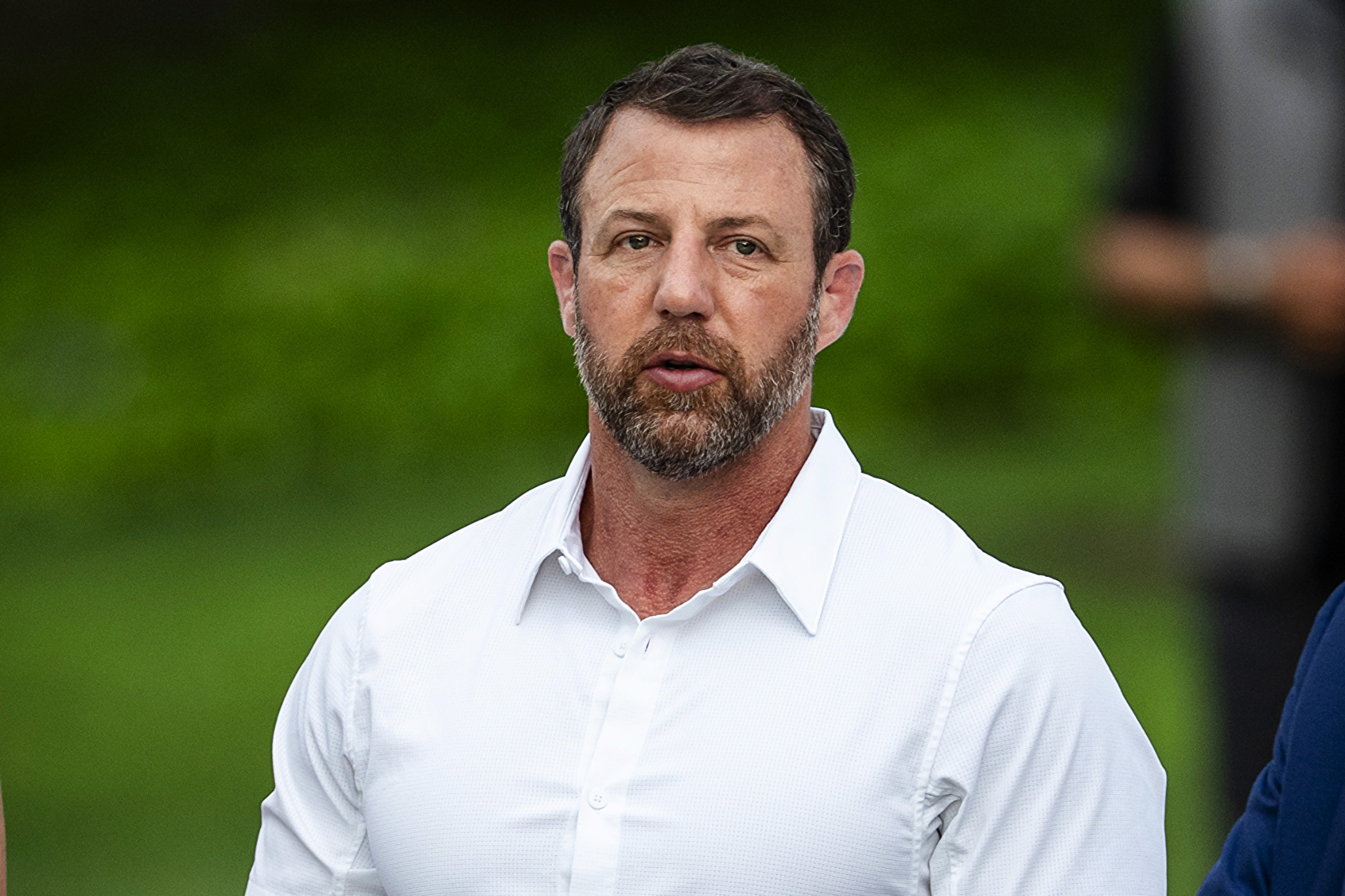
DHS officially announced these measures on July 10th. Department of Homeland Security Secretary Markwayne Mullin stated that these measures are “common-sense election security measures” aimed at maintaining the integrity of elections and ensuring public confidence in election results.
However, this policy has raised questions from Democratic members of Congress and state officials.
According to reports from The Hill, Democratic Senator Gary Peters of Michigan expressed concerns about the accuracy of the SAVE database and noted that DHS had previously indicated that the database “may yield inaccurate results”.
They believe that the HSGP was originally set up to assist states in enhancing homeland security and emergency preparedness capabilities, and this move may force states to choose between maintaining federal security funding and preserving existing election systems.
Eric Maruyama, spokesperson for Colorado Governor Jared Polis, stated in an email that “Colorado’s election security is reliable and serves as a national model.” He said, “We use signature verification, employ all-paper ballots, and conduct risk-limiting audits.”
He argued that the new conditions could “compromise public safety” and “make it harder for us to exercise our voting rights.” He added, “We are reviewing the new terms of the grant and considering the next steps for response.”
Secretary Mullin emphasized in a statement that “election security is national security, and protecting critical infrastructure is paramount.” He stated, “Safeguarding election systems from foreign interference, domestic threats, and cybersecurity attacks is crucial. These new requirements for recipients of homeland security grants will uphold the fairness of elections.”