
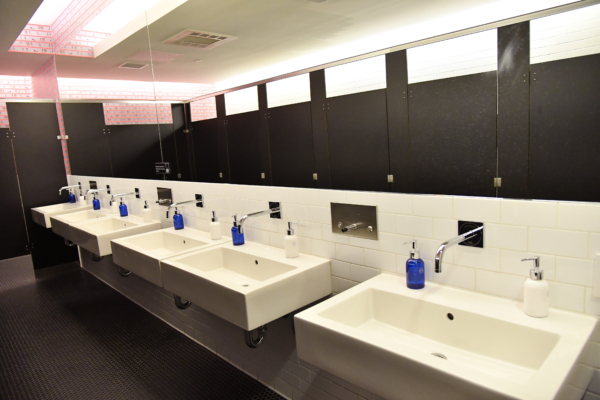
A groundbreaking pilot program aimed at alleviating New York City’s long-standing “restroom scarcity” in public infrastructure is set to make its debut on the streets. The city government announced on Wednesday (June 17th) that it has signed a $4 million contract with Throne Labs, headquartered in Washington D.C. Under this contract, the city will begin deploying high-tech, solar-powered smart mobile restrooms in 17 busy locations across all five boroughs starting in late summer this year.
Official data shows that the public restroom resources in New York City are severely lacking, with an average of one public restroom for every 8,500 residents. Mayor Mamdani included the expansion of restroom facilities in his administration’s agenda from the outset. In a statement on Wednesday, he emphasized that citizens of all ages have experienced the anxiety of searching for a restroom in emergency situations and the new initiative aims to fill the gap in public health infrastructure.
According to the New York City Economic Development Corporation (EDC) and related departments, these new high-tech restrooms have the following core features:
* Convenient Installation and Low Cost:
The interior space of the smart restrooms is equivalent to traditional bathrooms, equipped with baby changing stations and sinks. Due to their independent system, they do not need access to the city’s underground sewer network or other municipal pipelines, resulting in significantly lower installation speed and construction costs compared to traditional restrooms.
* Remote Sensing and Smart Monitoring:
The restrooms are equipped with various sensors inside, which are remotely monitored in real-time from the backend. The system automatically dispatches maintenance teams to refill the water tanks and empty the sewage tanks based on the data. Additionally, the sensors can monitor the time people spend inside to prevent prolonged stays or overnight stays in the restrooms.
* Multi-channel Unlocking Mechanism:
Ordinary citizens and tourists can unlock the restrooms by scanning QR codes, sending text messages on their phones, or using a dedicated mobile application (App). The restrooms will also provide free feminine hygiene products.
* Catering to the Needs of Vulnerable Groups:
Recognizing that homeless individuals may not have phones, the city government will distribute physical access cards to this group through social assistance outreach teams to ensure their restroom access rights.
* Strict Operating and Maintenance Standards:
The contract stipulates that these restrooms must be manually cleaned after every 11 to 15 uses. Additionally, the contracted company must respond to various emergencies, including people being trapped inside, within two hours to address and resolve the situation.
Currently, the New York City Parks Department and Department of Transportation are in the process of selecting the first 17 deployment locations. As planned, these highly anticipated “toilets of the future” will officially debut on the streets of New York City in late summer this year.