
In a recent development, the “Japan-Huaren Legislators’ Dialogue” composed of Japanese parliamentarians has officially changed its name to the “Japan-Taiwan Legislators’ Alliance”. This move is seen as a significant step by Japan towards Taiwan, recognizing Taiwan as an equal partner for cooperation. The political circles in both Japan and Taiwan have welcomed this change, hoping it will deepen substantive exchanges and cooperation between the two nations.
The relationship between Japan and Taiwan does not have formal diplomatic ties, with many bilateral affairs being conducted through semi-official or unofficial channels. The “Japan-Huaren Legislators’ Dialogue” (Japan-Huaren Dialogue) formed by Japanese parliamentarians is an important institution in advancing Japan-Taiwan relations.
According to reports from various Japanese media outlets, on June 11, the Japan-Huaren Dialogue held a plenary meeting in Tokyo and decided to change its name from “Japan-Huaren Legislators’ Dialogue” to “Japan-Taiwan Legislators’ Alliance (Japan-Taiwan Alliance)”. This marks the first name change since its establishment, with the current chairman being Keiji Furuya, a member of the House of Representatives from the Liberal Democratic Party of Japan.
Furuya stated that the name change signifies the alliance finally taking on its rightful form, emphasizing that Japan and Taiwan share common values of democracy and respect for human rights, firmly linked by a common bond.
The change from “Japan-Huaren” to “Japan-Taiwan” reflects a clearer expression by the Japanese parliament on the Taiwan-Japan relations, and the shift from “Dialogue” to “Alliance” indicates a more institutionalized direction for parliamentary exchanges between Taiwan and Japan.
The renaming of the organization is seen as symbolizing a new stage in Taiwan-Japan relations in terms of history, institutions, and political consensus, according to analysts present at the meeting.
Japanese media outlets reported that the name change aims to demonstrate Japan’s determination to strengthen exchanges with Taiwan, but it may also draw criticism from China. In response to this, Furuya emphasized that the name change is natural and cited previous instances of Japan making similar adjustments in its external relations, such as renaming the Japan-Taiwan Exchange Association.
As of June 12, the Chinese Ministry of Foreign Affairs has not issued any response to the renaming of the “Japan-Taiwan Legislators’ Alliance” or its activities. The legislators’ alliance was established in 1973, the second year after the severance of diplomatic ties between Japan and Taiwan, initiated by members of the Liberal Democratic Party. It was reorganized into a cross-party organization in 1997, and in the past year, the alliance has seen an increase of approximately 30 members, totaling 321 legislators, a record high in its history.
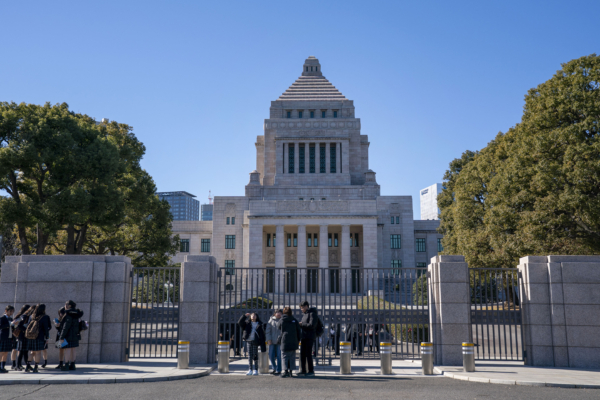
With a total of 713 parliamentarians in the Japanese National Diet, comprising 465 in the House of Representatives and 248 in the House of Councillors, around 45% of the parliamentarians are part of the alliance.
The Taiwanese Representative to Japan, Lee Yih-Yang, was invited to attend the meeting and expressed the historical significance of this important moment, symbolizing a deepening and further development of friendship between Taiwan and Japan.
Lee Yih-Yang immediately informed President Tsai Ing-wen upon learning of the name change and conveyed her sincere gratitude and respect to all the Japanese parliamentarians who support Taiwan.
The spokesman for the Office of the President, Kuo Ya-Hui, highlighted the emotional significance of seeing the term “Taiwan” displayed on the big screen during the event, symbolizing Japan’s recognition of Taiwan’s democracy, people, and subjectivity.
In 2021, with the organization’s advocacy, the Japanese House of Councillors adopted a resolution supporting Taiwan’s participation in the World Health Assembly as an observer. Under Chairman Keiji Furuya’s leadership, the alliance has consistently passed resolutions supporting Taiwan and undertaken visits to Taiwan during its National Day celebrations, demonstrating unwavering support for Taiwan.
Expressing gratitude for the support extended over the years, Lee Yih-Yang mentioned the alliance’s efforts to mark the nationality of Taiwanese residents in Japan as “Taiwan” in their household registers. He also recalled the alliance’s immediate vocal support for Taiwan during President Tsai Ing-wen’s diplomatic obstacle encounter in Swaziland in April 2026.
Lee Yih-Yang further expressed gratitude to the United States and other Indo-Pacific countries for their contributions to regional security and the peaceful stability of the Taiwan Strait, pledging Taiwan’s continued partnership with Japan and the US to promote peace and stability in the Asia-Pacific region.
Describing the Taiwan-Japan relationship as one where they support each other in both rainy and sunny days, Kuo Ya-Hui emphasized the mutual partnership and cooperation between the two nations.
During the meeting of the Japan-Huaren Legislators’ Dialogue, a congratulatory video message from President Tsai Ing-wen was played, acknowledging the alliance’s efforts in strengthening parliamentary relations between Taiwan and Japan and supporting Taiwan’s international participation.
President Tsai expressed appreciation for Chairman Keiji Furuya’s outstanding contributions to Taiwan-Japan relations and Prime Minister Sanae Takichi’s emphasis on the importance of peace and stability in the Taiwan Strait on the international stage. She looked forward to the continued strong support from the “Japan-Taiwan Legislators’ Alliance” for Taiwan, deepening cooperation, and working together to realize the vision of a “Free and Open Indo-Pacific”.
Reports indicate that at the plenary meeting, the alliance conveyed to Taiwan Japan’s commitment to correct issues such as Japan’s textbooks erroneously depicting Taiwan as part of “Chinese territory”.
Keiji Furuya, a seasoned Japanese politician holding key positions in the Japanese parliament, has played a notable role in promoting Taiwan-Japan relations. In May 2024, during President Tsai Ing-wen’s inauguration, Furuya led a delegation of 31 Japanese parliamentarians to Taiwan, setting a new record for the highest number of Japanese parliamentarians attending a Taiwanese presidential inauguration.