
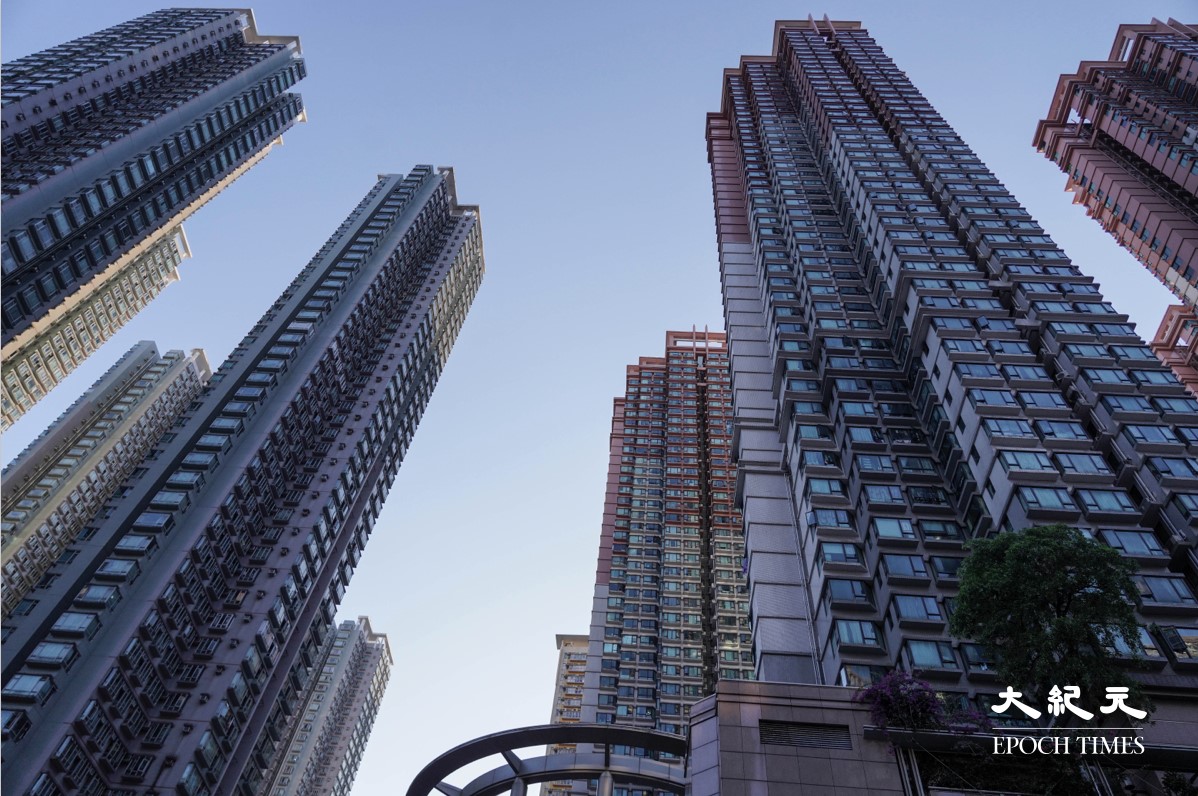
In recent times, many small and medium-sized banks in mainland China have been actively joining e-commerce asset trading platforms such as Jingdong and Alibaba, setting up official asset stores and directly listing distressed properties for sale at prices 20% to 30% below market value. However, most of these properties are remote, lack amenities, or have complex ownership situations, leading to a lack of interest from buyers and resulting in many properties being left unsold. This phenomenon is seen as indicative of the increasing pressure on banks to dispose of non-performing assets and retrieve funds.
Ningxia Bank recently officially joined the Jingdong asset trading platform, opening an official asset store and listing a large number of residential and commercial properties as distressed assets. According to reports from The Economic Daily, the bank announced that its Jingdong official asset store has been launched, allowing customers to purchase properties directly from the bank online.
Reports indicate that bank-listed properties generally have discounts of 20% to 30% below market prices, with even higher discounts for properties in remote locations with poor amenities. However, due to the varying conditions of the properties, many bank-listed properties still end up unsold.
As of July 10th, the Jingdong asset trading platform displayed 4 properties listed by Ningxia Bank, with auction prices ranging from 557,000 yuan to 6.233 million yuan, all of which received no bids.
A popular Weibo user with 2.615 million followers named “Black Cat Complaint” analyzed that behind Ningxia Bank’s direct involvement in acting as a “real estate agent” lies a set of unresolved risks. As the first local bank in the western region named after a provincial-level administrative region, the bank saw steady expansion in asset size in 2025. However, beneath the expansion facade, the downturn in profits was evident, with annual operating income shrinking by over 20% year on year, and non-performing loan ratios rising to 4.69%, indicating worsened risks in existing loans.
Apart from Ningxia Bank, other local banks such as Jilin Bank, Lanzhou Bank, and some rural credit systems have also begun to join e-commerce platforms, listing various distressed properties including residential, commercial, and office spaces.
The collective action of many banks in China to “open online stores to sell houses” has attracted considerable public attention, with related topics quickly trending on Weibo. Many industry experts caution the public not to overlook potential risks just because of the low prices.
Weibo user “This Apple Tree” pointed out that lately, small and medium-sized banks such as Ningxia Bank and Jilin Bank have been actively joining e-commerce platforms, listing distressed properties at prices significantly below market value, which may seem tempting. However, upon closer inspection of the terms, concerns arise.
The user highlighted that many properties are located in remote areas or are large-scale residential or commercial properties and office spaces that do not meet the needs of average homebuyers. Moreover, some of the properties are actually being sold through “debt transfer” rather than direct “property transfer,” meaning buyers may only obtain a debt agreement after purchase, requiring further negotiation with the debtors for successful property transfer, leading to significant uncertainties. Additionally, most properties require full payment upfront, do not accept provident fund loans, and may have outstanding issues such as unpaid property management fees, utility bills, or difficulties in ownership transfer.
The user believes that fundamentally, these discounted property purchase channels are not aimed at ordinary consumers but are a way for banks to expedite the disposal of non-performing assets and recover funds. They warned that while it may seem like a discounted promotion, it actually targets professional investors with due diligence capabilities and risk tolerance. Ordinary individuals entering solely due to cheap prices are likely to face pitfalls.
Weibo user “Rich Ren” also advised the public that truly high-quality properties are typically not easily put up for public auction by banks, as they prefer other channels for disposal. Properties available for public auction often have flaws or issues, and it’s best for average individuals to avoid them to prevent unforeseen troubles and financial losses.
Other internet users commented, with some noting, “This indicates an increase in distressed properties,” while others expressed, “More distressed properties are emerging, and banks are getting anxious.”
In fact, banks are not the only institutions accelerating the disposal of real estate assets recently. In the fourth quarter of last year, many regions in China witnessed state-owned platforms selling properties in bulk. Property trading centers in cities like Beijing, Guangzhou, and Shandong successively listed hundreds of properties for transfer, drawing market attention.
At that time, Weibo influencer “Old Xu Commentary” stated that as state-owned platforms began selling properties and the rate of distressed properties increased, banks found themselves unable to sustain, leading them to personally sell properties and act as landlords, aggressively selling distressed properties acquired through defaults. The reason banks are actively engaging in property sales rather than foreclosure is due to the inefficiency of foreclosure, failing to meet the banks’ requirements for a swift resolution of non-performing assets.
Overall, the trend of both state-owned platforms and commercial banks entering the “property sale army” over the past year reflects not only inventory pressure but also reveals the spreading real estate crisis shifting from developers to local governments and financial institutions. With a large number of foreclosure properties remaining unsold, banks resorting to direct sales through online stores indicate that traditional asset disposal channels are finding it difficult to handle the accumulation of non-performing assets. As the supply of distressed properties continues to rise and real estate prices remain stagnant, pressures on bank asset quality and local finances are further escalating.