
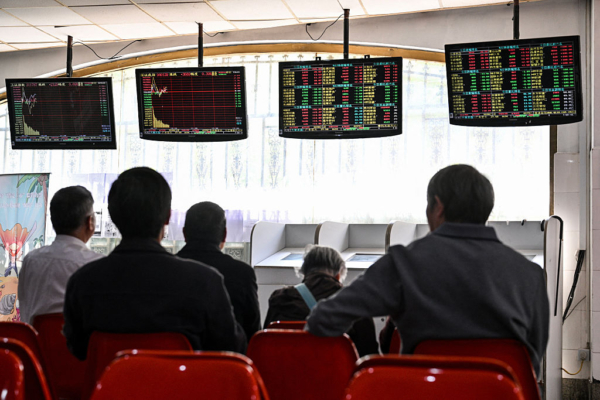
The delisting list of A-shares in mainland China continues to expand. According to the latest statistics from Chinese media, as of June 15, 2026, more than 20 companies have delisted or are targeted for delisting since the beginning of the year, with 9 companies having officially delisted from the A-share market. The related cases involve abnormal auditing opinions, violations of information disclosure, financial fraud, hollowing out of core businesses, and internal control failures.
According to a report by the Securities Daily on June 16, the above statistics include companies that have been delisted, entered into a delisting consolidation period, as well as those that have been delisted by the stock exchange.
The report states that financial data and analysis service provider Wind data shows that as of June 15, 9 companies have officially delisted from the A-share market. Among them, 3 companies triggered delisting indicators related to market value falling below 500 million yuan, 5 companies delisted due to regulatory issues such as auditing and information disclosure, and 1 company delisted voluntarily.
In addition to the delisted companies, seven companies including Nationalization of Delisting, Rock Delisting, Panda Delisting, Innovation Delisting, Huke Delisting, Huarong Delisting, and Taihe Delisting have entered a delisting consolidation period but have not been officially delisted. Furthermore, companies such as *ST Guohua, *ST Tianlong, *ST Sailong, and *ST Hengjiu have received notices of “pre-delisting notification” from the stock exchange.
According to a report by Economic Reference News on June 12, among the 20 delisted or targeted for delisting companies in its statistics, 12 were delisted for financial reasons, accounting for over sixty percent; 4 were forced to delist due to major violations of information disclosure; 3 were delisted for trading reasons; and 1 delisted voluntarily.
Chinese media refers to the increase in delistings as “market clearance” and “survival of the fittest.” However, the related cases show that some companies are delisted not simply due to operational failures but also involve financial anomalies, abnormal auditing opinions, violations of information disclosure, and major legal violations.
Economic Reference News reported that since 2026, four listed companies have delisted due to major financial fraud, with Long Medicine Holdings being one example.
Long Medicine Holdings changed its stock abbreviation to “Long Medicine Delisting” during the delisting process. The company was found to have inflated its operating income by over 733 million yuan in three consecutive years from 2021 to 2023 and was officially delisted in April 2026. The company was fined 10 million yuan, and 14 executives were collectively fined 31 million yuan. Relevant personnel were subject to lifelong market entry bans.
Hollowing out of core business also became an important reason for some companies’ delisting. *ST Huke reported a non-recurring net loss of 2.26 million yuan in 2025, with operating income of only 8.4354 million yuan. The financial accounting report received a qualified opinion, and the internal control received a disclaimer opinion, ultimately leading to meeting the conditions for delisting.
Internal control failures have also been a significant reason for some companies’ delisting. Delisted Guandian on June 10 is a representative case. The company was subjected to delisting risk warnings due to negative net profit and revenue below 100 million yuan in 2024. The 2025 annual report received a qualified opinion, the internal control audit report received a disclaimer opinion, eventually leading to the circumstances for delisting.
Public reports by Chinese media show that in recent years, Chinese listed companies have frequently faced issues such as financial fraud, false disclosures, fund misappropriation, and shrinking core businesses. Some companies attempted to maintain their listing status through cross-border transformations, mergers and acquisitions, or financial restructuring before delisting. Subsequently, they entered the delisting process due to deteriorating financial indicators, abnormal auditing opinions, or major legal violations.