
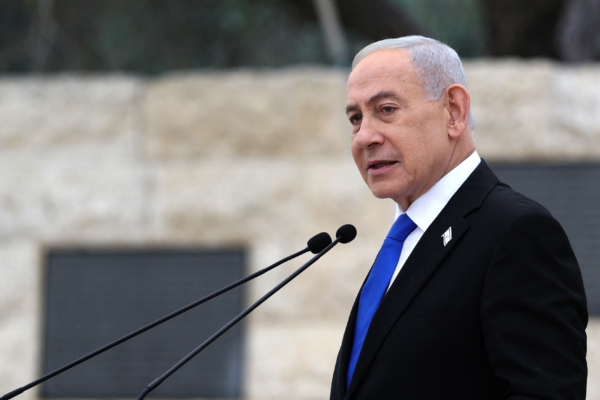
Israel will hold parliamentary elections on October 27th, which will be the first national election since the 2023 Hamas attack and the first scheduled parliamentary election in almost 40 years. If the current government completes its term as planned, it will be the first government in over 50 years to do so.
According to reports from Reuters, the ruling coalition led by Israeli Prime Minister Benjamin Netanyahu confirmed on Sunday, July 12th, that the election will take place on October 27th.
Earlier, the Israeli parliament, known as the Knesset, passed a resolution to dissolve in May of this year, with the official dissolution scheduled for July 17th. Therefore, it was widely anticipated that the elections might be held earlier. However, the chairman of the ruling coalition, Ofir Katz, stated during a parliamentary committee meeting that the election will indeed take place as scheduled on October 27th, as per the legal requirements.
As reported by The Times of Israel, the parliamentary legal advisor Sagit Afik announced that this current term will be completed in full, ruling out any early dissolution, and the election date remains set for October 27th.
If the Israeli parliamentary elections proceed as planned this autumn, it will mark the first time since 1988 that Israel holds parliamentary elections on the original scheduled date. The current government would also become the first to complete its term since 1973.
This election will be the first national election held since October 7, 2023, when the militant Palestinian organization Hamas launched attacks on Israel, sparking the Gaza War, which subsequently spread to Lebanon and Iran.
Netanyahu returned to office at the end of 2022 and currently leads the 37th government, composed of the Likud Party, Orthodox religious parties, and right-wing parties. This government is widely seen as one of the most hardline in Israel’s history.
During his tenure, the ruling coalition faced several crises related to the controversy over ultra-Orthodox male military exemptions, as well as internal disagreements over the Gaza ceasefire and prisoner exchange agreements. However, the government managed to stay in power.
Multiple polls indicate that if elections were held now, the ruling coalition would likely lose its parliamentary majority. Nevertheless, the opposition camp has not yet formed a stable majority, leaving the political situation highly uncertain.
Currently, former Chief of Staff of the IDF Gadi Eisenkot and former Prime Minister Naftali Bennett are considered the main contenders for the position of prime minister.