
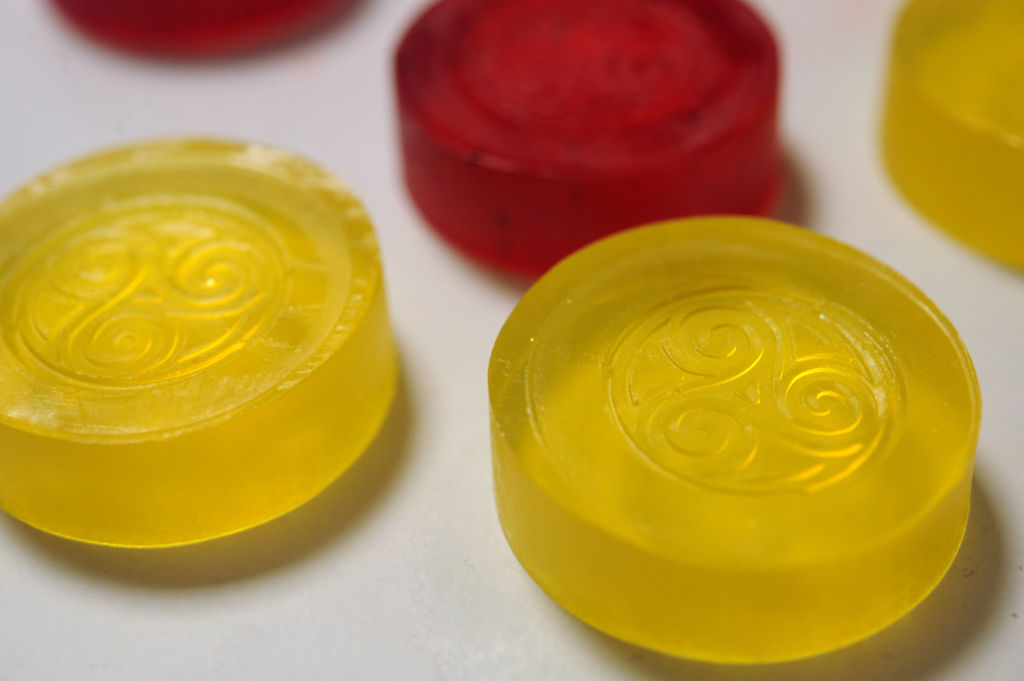
In recent days, the “herbal anti-hair loss” shampoo bar, which is popular on mainland e-commerce platforms, has been exposed for false advertising. Some products claim to be “handcrafted using ancient methods” and made from herbs sourced from deep mountains, but in reality, they are mass-produced in factories. A popular internet celebrity shampoo bar priced at 39.9 yuan, when ordered in bulk, only costs about 5 yuan per unit for contract manufacturing.
According to a report by “Blue Whale News” on July 9, the self-media “Dad’s Review” purchased 9 shampoo bars that were marketed as “herbal anti-hair loss” and “gentle and non-irritating.”
In their promotional materials, the businesses emphasized the use of Chinese cedar leaves as the core ingredient for preventing hair loss and as a major selling point. Dad’s Review used the key component of Chinese cedar leaves, quercetin, as a testing indicator. According to the methods listed in the pharmacopoeia, none of the 9 samples detected quercetin; even with a more sensitive method, 5 samples still did not show any presence of quercetin.
However, on the product pages and in live streams, some businesses still claim that their products can “prevent hair loss,” “strengthen hair roots,” and even make hair “double in volume,” without providing corresponding efficacy evidence.
The test results also showed that 6 out of the 9 products contained sodium laureth sulfate (SLS). Dad’s Review stated that this ingredient has strong cleansing and foaming abilities, but it is also more irritating to the skin.
The report mentioned that some businesses highlight their products as “natural and gentle” or claim to be “SLS-free” in their promotions, even warning consumers not to use hair care products containing related ingredients, yet SLS was found in the shampoo bars they sold.
On e-commerce review sections and complaint platforms, some consumers reported experiencing scalp itching, increased dandruff, dry hair, and even worsening hair loss after using these products.
An investigation by mainland media found that many businesses create the impression of being “naturally handcrafted” through scenes of mountains, herbs, and boiling in iron pots, while in reality, many similar products come from factory assembly lines. Some brand customer service representatives mentioned that their products are not registered as cosmetics, yet they advertise with claims of “anti-hair loss” and similar benefits. According to current regulations in mainland China, products claiming hair loss prevention effects should be regulated as special cosmetics and obtain registration.
The prices of these mass-produced products differ significantly from their retail prices. For instance, the “Seven Greens” brand sells related shampoo bars at 39.9 yuan each, with the platform showing an annual sales volume of over 1 million bars. The contract manufacturing price indicates that when ordering 5000 bars, the cost is about 5 yuan each, and when ordering 10,000 bars, it drops to around 4.7 yuan per unit. The prices of similar popular internet celebrity shampoo bars in mainland China are mostly between 30 and 60 yuan.
An industry practitioner in the hair care sector mentioned that the cost of common industrial soap base with added SLS, fragrances, and pigments can be controlled at around 1.5 yuan. If herbal extracts like Chinese cedar leaves are adequately added, the material cost typically ranges from 3 to 5 yuan. Considering labor, packaging, and testing expenses, the normal factory price is about 5 to 10 yuan. Even with a cost of 5 yuan, the profit margin remains significant given the current selling prices of 30 to 60 yuan per bar.