
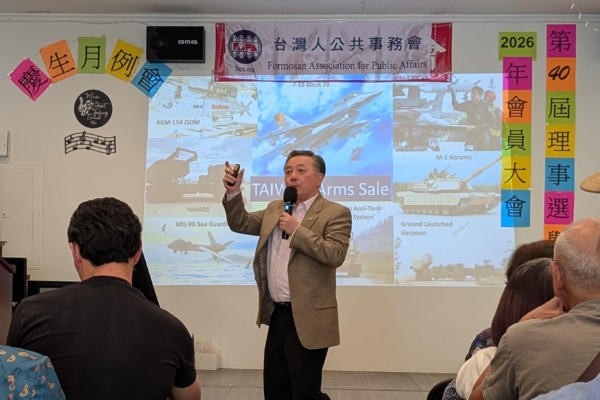
Recently, military expert Tony Hu stated during a community event that despite the B-52 bomber being in service for over 70 years, it has undergone multiple modernizations and remains a highly valuable strategic platform for the U.S. military. The discussion arose in response to the recent crash of a U.S. Air Force B-52H strategic bomber during a radar upgrade test mission in California.
On June 15th, the B-52H crashed shortly after takeoff from Edwards Air Force Base, resulting in the tragic loss of all eight crew members and top technical experts on board. This incident, the first crash of this model since the Guam accident in 2016, has dealt a heavy blow to the U.S. military’s future modernization plans for strategic bombers. The cause of the crash remains unclear, prompting the U.S. military to establish a safety committee for a thorough investigation. The accident has once again raised concerns about the service life and aging equipment of this Cold War-era “old gentleman” bomber.
Hu, a retired U.S. Air Force colonel who previously served as a Pentagon official and Deputy Director for Security Cooperation at the American Institute in Taiwan (AIT), analyzed that the crashed B-52 was undergoing testing of a new AESA (active electronically scanned array) radar system. Despite the aging airframe, continuous structural inspections, system upgrades, and engine replacements have maintained its operational capability and safety. He emphasized that the U.S. military does not send B-52s deep into enemy airspace for high-risk missions but utilizes their long-range strike capability to launch cruise missiles from approximately 1,500 kilometers away.
“The B-52’s greatest advantage lies in its massive payload capacity, allowing simultaneous attacks on multiple targets,” Hu noted. With the deployment of next-generation stealth cruise missiles, the B-52 can still exert significant strategic deterrence and striking power even without entering enemy airspace, making it a crucial pillar of U.S. strategic power for the foreseeable future.
Regarding U.S. military strategy in the Indo-Pacific region, Hu stressed that operational planning prioritizes risk management and avoids exposing outdated aircraft to high-threat environments. He affirmed that if an aircraft does not meet safety standards, the U.S. military would not continue its use, as “the United States does not gamble with pilot lives.” Thus, he maintains confidence in the safety and reliability of continued B-52 service.
From a statistical perspective, a single accident does not signify systemic issues within the entire fleet. Retired U.S. Army Colonel Steve Li further explained that the Air Force’s aircraft accident rate is much lower than the average rate for civilian car accidents. With ongoing upgrades and maintenance, the B-52 will continue to play a crucial role in the U.S. military’s global deterrence system, supporting strategic deployments and deterrence missions in the Indo-Pacific region.