
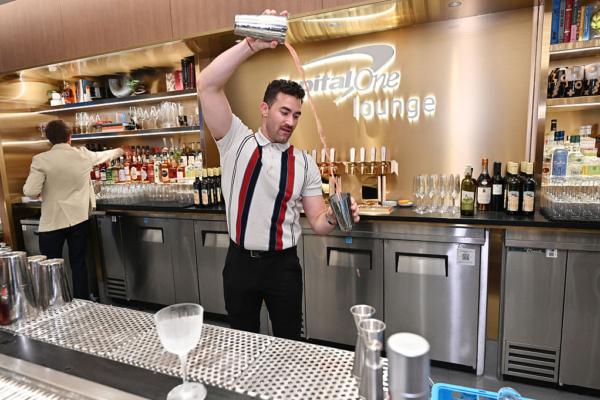
As the peak travel season approaches, many people choose to travel abroad to relax, and airport lounges have become popular rest stops along the way. However, these lounges can often be tricky to navigate. Travel experts point out that lack of understanding of entry rules and improper etiquette can greatly diminish the experience and even cause inconvenience to others.
Here are ten behaviors that travelers should avoid when entering airport lounges, and tips on how to make the most of your next lounge experience:
One of the most common misconceptions is that purchasing a premium class ticket guarantees access to the lounge, but that is not always the case.
Even on domestic flights in the United States, flying first class does not necessarily grant you lounge access. Many airline lounges in the US operate on a membership basis, requiring annual fees or holding a co-branded credit card for entry.
For long-haul international flights, business class or first class tickets typically include lounge access. However, this is not always guaranteed nowadays, so it’s advisable to confirm the rules before arriving at the airport.
Many travelers enter lounges with high expectations of luxurious service, only to be disappointed in the end.
Jimmy Yoon, the points information manager of flight search and booking platform point.me, says, “In reality, most lounges are far from what you see on social media.”
He explains that your overall lounge experience can vary greatly, with some offering spa services, à la carte dining, and shower facilities, while others are more basic, especially for domestic flights. Generally, the most impressive lounges are often the hardest to access, typically reserved for international premium class passengers.
Yoon suggests viewing lounges as a place for quiet relaxation, simple refreshments, and recharging before boarding, rather than expecting a luxurious experience.
Having excessively high expectations can lead to another mistake: arriving at the airport too early.
Yoon explains that if travelers expect high-end service in the lounge, they may choose to arrive early at the airport, but most lounges may not meet those expectations. Therefore, there’s no need to alter your airport schedule just to spend more time in the lounge, especially during crowded periods where arriving early may cut into your lounge time due to queues.
“If you plan to access the lounge with a credit card, be sure to check the entry conditions first. Different credit cards and lounges have varying entry regulations that can affect your actual eligibility for entry.”
He notes that to gain lounge access, credit cards usually need an annual fee exceeding $500. Even if a credit card provides lounge access eligibility, you may still need to queue due to capacity limits, or even be denied entry.
Many lounges have launched apps that display real-time crowd conditions and allow reservations for entry. For example, Capital One offers a digital queuing system, and Capital One Landing allows travelers to reserve entry times in advance after booking a flight.
“When you arrive at the airport or during check-in, join the waiting list to enter the lounge, which can expedite your access,” Yoon suggests.
Lounges often get crowded, and occupying more seating space than necessary can lead to dissatisfaction among other travelers. Yoon states, “Occupying multiple seats is one of the most common etiquette mistakes I see.” In situations with limited seating, being mindful of your own space helps maintain a good order of use.
Noise is another common issue. Lounges are designed to provide a quiet environment for rest or work, so keeping conversation volume low and using headphones is basic courtesy.
Snacking is a part of the lounge experience, and when dining in the lounge, it’s easy to unconsciously take too much, but moderation is more appropriate.
Seasoned traveler Quinn English points out that while lounges may not explicitly forbid taking multiple plates or packing food to go, travelers should avoid it as much as possible. Some lounges now offer “to-go style meals” for a more appropriate way to take food with you.
Many people fail to realize that lounges offer services beyond snacks and rest areas.
Yoon notes that lounge desk staff are often the most knowledgeable and helpful employees at the airport, with fewer queues due to the smaller clientele.
Lounge etiquette is quite simple: maintain respect.
English emphasizes that travelers need to respect each other, as lounges should be spaces for relaxation and rest, not another chaotic place. Lowering the volume, being mindful of space usage, and using shared facilities moderately can enhance everyone’s experience.
This article was adapted from a report by the travel and leisure magazine “Travel + Leisure.”