
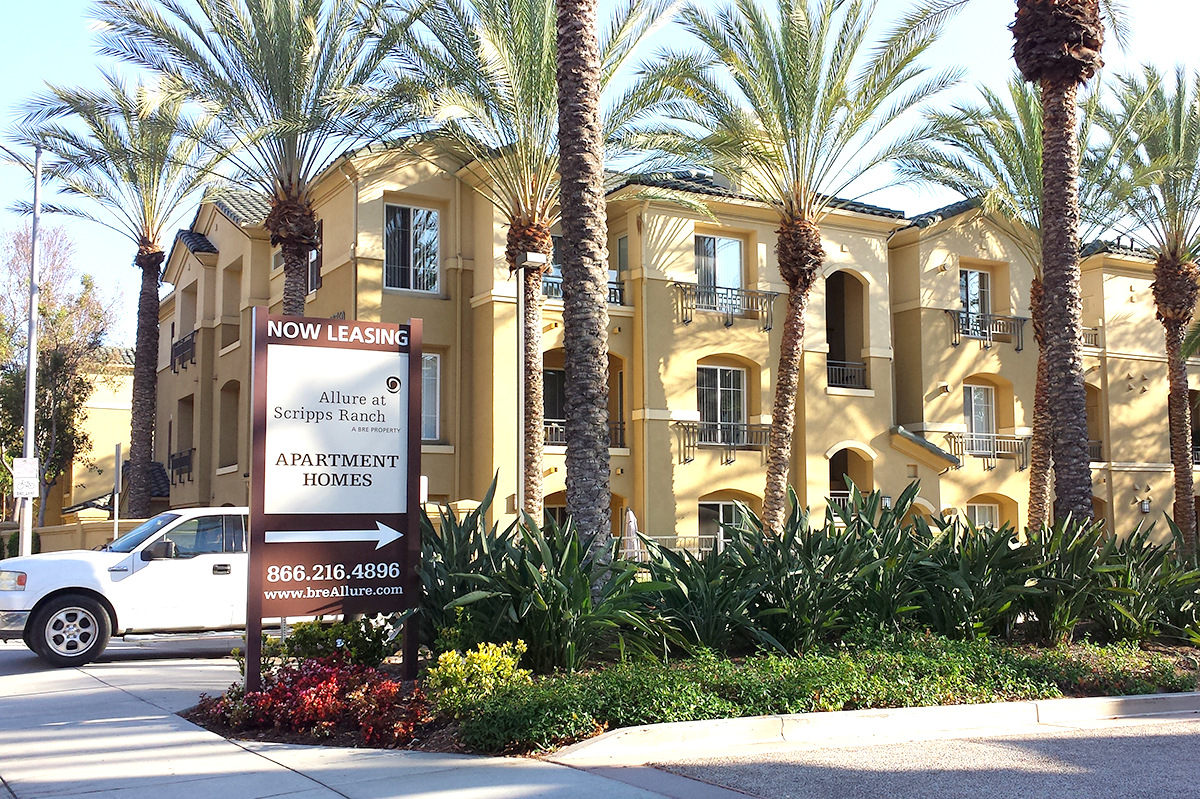
The dream of owning a home is a goal for many people. However, what is the real difference between buying and renting a home in the United States? Which option is more cost-effective?
According to a recent survey released by the American rental platform Apartment List, since the pandemic in 2020, the monthly housing cost gap between homeowners and tenants has been increasing. The “home purchase premium” continues to rise, meaning that buying a home is much more expensive than renting. For example, in Los Angeles, homeowners have to pay double the housing costs compared to renters.
When buying a house in the United States, one not only needs to consider the house price and mortgage interest rate but also has to pay many expensive “hidden costs.”
The Apartment List team believes that many homeowners are willing to bear these costs to gain the benefits of homeownership, including long-term housing security, choosing the community they want to live in, and the wealth accumulation from home equity. However, as these costs continue to rise, many people are starting to reevaluate whether they should buy or rent a home.
The housing costs for homeowners mainly cover mortgage, utilities, property tax, insurance, home maintenance, and some may also have to pay property management fees. On the other hand, renters’ housing costs mainly include rent and utilities.
Data shows that the median home price in the United States increased by about 50% from 2020 to 2026. In addition, interest rates, property taxes, home maintenance, and other hidden costs have also surged. By the end of last year, the annual hidden homeownership costs had reached nearly $16,000.
The Apartment List team studied housing market data for the top 100 metropolitan areas in the United States in 2024. The results showed that in all regions, the median housing expenses for homeowners were higher than those for renters.
Here are the top five metropolitan areas in the United States with the largest “home purchase premium,” listing the median monthly housing costs for homeowners and renters:
1) Oxnard-Thousand Oaks-Ventura, CA: Homeowners’ monthly housing expenses are $5,728, while renters only pay $2,457, with a premium percentage of 133%.
2) Provo-Orem, UT: Homeowners spend $3,719 per month, while renters pay $1,652, a difference of 125%.
3) San Jose-Sunnyvale-Santa Clara, CA: Homeowners’ monthly expenses are $6,559, while renters only need to spend $2,959, with a difference of 122%.
4) Wichita, KS: Homeowners spend $2,259 monthly, while renters pay only $1,016, with a premium percentage of 122%.
5) San Francisco-Oakland-Hayward, CA: Homeowners have to pay $5,906 per month, whereas renters pay $2,680, with a difference of 120%.
Moreover, several cities in California also have significant home purchase premiums. In the Los Angeles-Long Beach-Anaheim metropolitan area, homeowners have a median monthly housing expenditure of $4,964, while renters pay $2,470, a difference of 101%.
In the Stockton-Lodi area, homeowners pay $4,328 monthly, while renters pay $2,159, with a premium percentage of 100%.
In the San Diego-Carlsbad, CA area, homeowners’ median monthly expenses are $5,211, while renters pay $2,650, with a difference of 97%.
The Apartment List team emphasizes that all the data reflects the median differences in housing costs between “typical home buying households” and “typical renting households” in various areas, and not a direct comparison of buying versus renting the same property.
Real estate experts advise potential buyers to thoroughly consider their financial situation and affordability when buying a home, while also planning for maintenance costs early and avoiding unexpected expenses. This information is provided for general informational purposes only. Epoch Times does not offer investment, tax, legal, financial planning, real estate planning advice, or any other personal financial advice.