
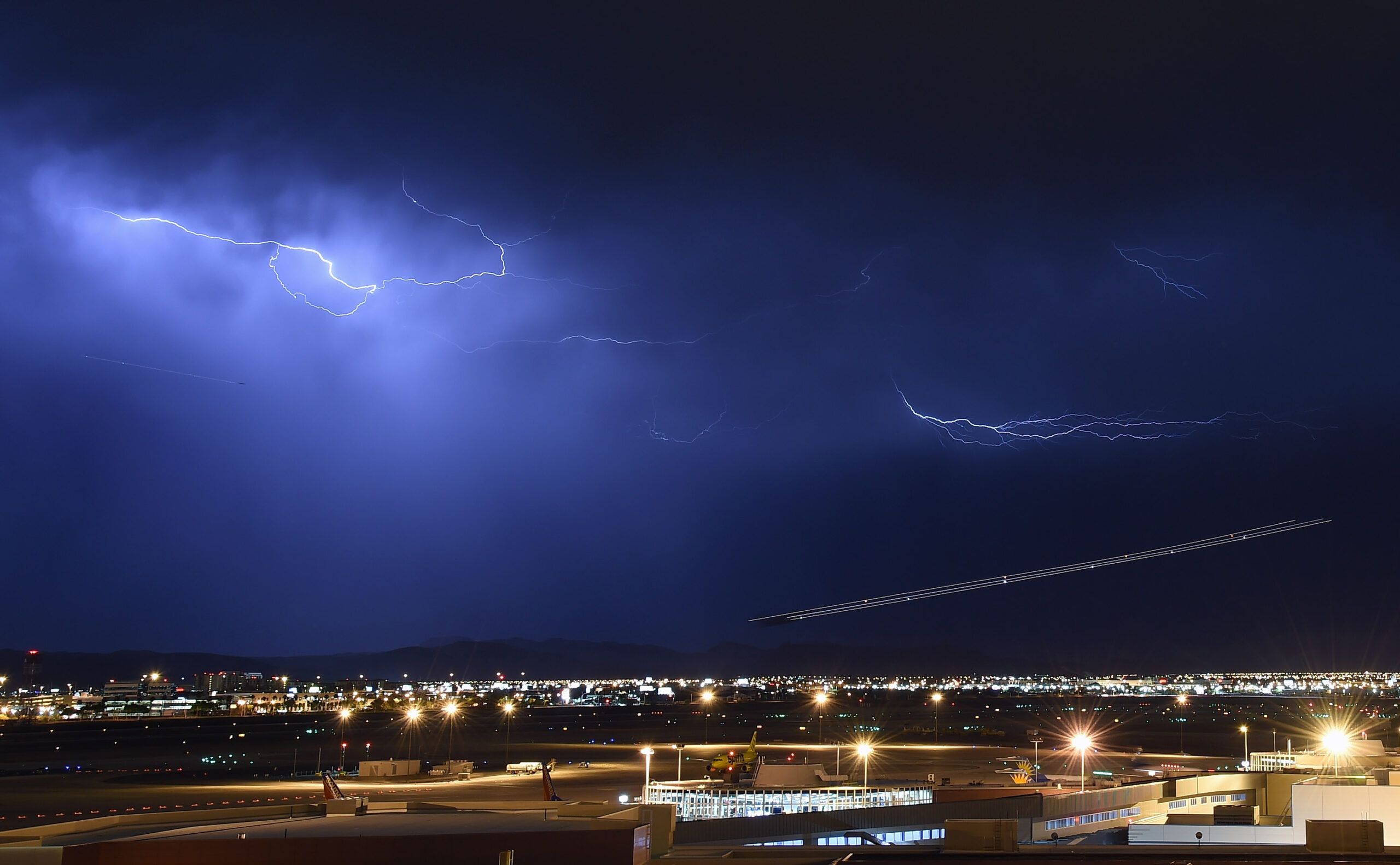
At the end of July, approximately 70 million people in the United States were under extreme heat warnings, with temperatures in the Southwest desert region soaring above 110 degrees Fahrenheit (43.3 degrees Celsius) on multiple occasions. This heatwave not only poses a threat to public health but has also begun to impact air travel, with tourist hotspot Las Vegas in the desert becoming one of the most visibly affected airports.
On July 25th (last Saturday), a United Airlines flight scheduled to depart from Harry Reid International Airport in Las Vegas had to undergo weight adjustments due to the local high temperatures affecting the aircraft’s performance. The flight crew announced the need to lower the aircraft’s weight before takeoff and asked some passengers who had already boarded to voluntarily switch to other flights. According to reports, the airline sought around 30 to 50 passengers to disembark temporarily to ensure safe takeoff conditions.
To encourage passengers to give up their seats voluntarily, the airline offered a high compensation package. According to eyewitnesses and multiple media reports, the compensation offered could go up to $2,500 per person.
The Federal Aviation Administration (FAA) pointed out that high temperatures cause a decrease in air density, reducing the lift generated by the aircraft wings and engine thrust, requiring longer takeoff distances. If the runway length is insufficient or the aircraft’s weight is too high, the airline may need to reduce fuel, cargo, or passenger loads. If the operating temperature exceeds the manufacturer’s specified limit, the aircraft may not be able to take off at all.
In the face of potential flight disruptions, aviation experts suggest that when planning summer trips, passengers can reduce the risk of flight disruption due to high temperatures by taking the following precautions:
• Opt for flights departing before 8:00 AM. Morning temperatures are lower, less likely to be affected by high-temperature load restrictions, and can avoid delays caused by afternoon thunderstorms in the summer.
• Prefer direct flights whenever possible. Minimize layovers to reduce the risk of missing connecting flights due to delays on the first leg.
• Carry essential items with you. Include spare clothing, electronic devices, and necessary medications in your carry-on luggage to ensure basic living and medical needs are met even in case of checked baggage delays or flight changes.
• Utilize flight tracking tools. Before departure, use tools like FlightAware or Flightradar24 to check if the previous leg of your flight has been affected by high temperatures, allowing you to anticipate possible delays in advance.
Moreover, passengers can also check the U.S. Department of Transportation’s Airline Customer Service Dashboard to understand the services provided by airlines, such as meals, accommodations, and rebooking, in case of flight delays or cancellations. Save the link on your phone so you can access it directly in case of any disruptions to protect your rights during affected travel plans.