
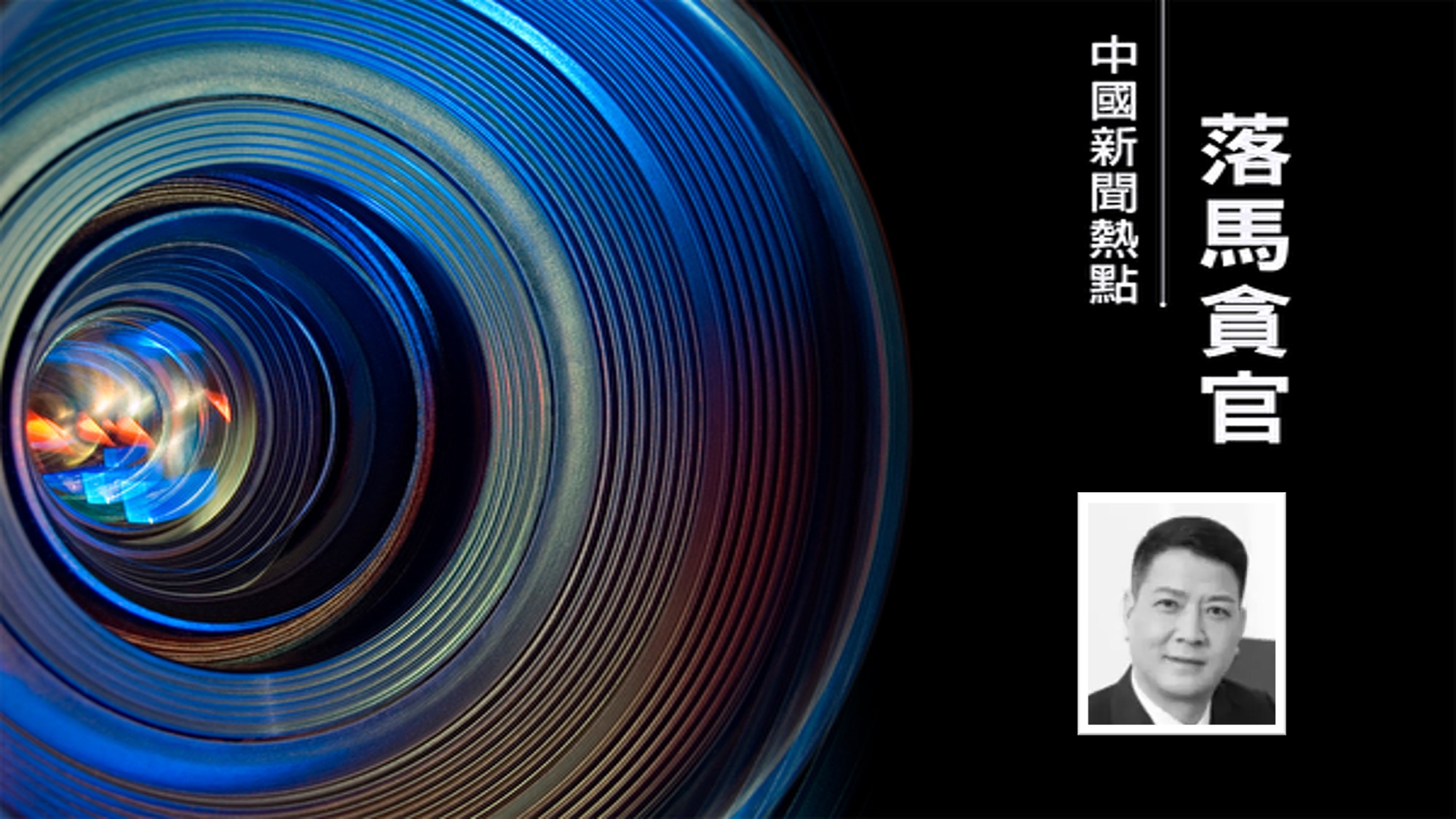
Guizhou Xijiu Co., Ltd.’s Assistant General Manager Xie Yuandong surrendered to the authorities on July 23, 2026. Xie’s former boss, former General Manager and Chairman of Xijiu Group, Zhong Fangda, was reportedly taken away in October 2025. In recent years, executives of Chinese liquor companies have been under investigation one after another.
According to a report on July 23, 2026, by the Guizhou Provincial Commission for Discipline Inspection and Supervision, Xie Yuandong, Assistant General Manager of Guizhou Xijiu Co., Ltd., and Director of the Alcohol and Tourism Integration Development Department, is suspected of serious violations of discipline and laws. He proactively turned himself in and is undergoing disciplinary review by the Discipline Inspection and Supervision Team stationed at Xijiu Group and investigation by the Huichuan District Commission for Discipline Inspection and Supervision.
Xie Yuandong, born in February 1976, joined Xijiu in 2007 and held various positions over the years, including Assistant and Deputy Director of Planning and Construction, Deputy Director and Director of the company’s office, and Director of centralized procurement management office. In 2020, he was promoted to Assistant General Manager of Xijiu, which was then a subsidiary of Maotai Group.
In July 2022, Guizhou Xijiu separated from Maotai Group and established the new Xijiu Group. On the leadership introduction page of the newly established Xijiu Group’s official website, Xie Yuandong’s positions were listed as “Assistant General Manager of Xijiu Company and Director of the Party Committee Office.” Subsequently, Xie Yuandong participated in various production surveys, marketing activities, and other tasks at Xijiu in his capacity as Assistant General Manager.
On June 8, 2026, Xijiu Group held a strategic cooperation forum with Gui Travel Group to discuss the development path of “alcohol and tourism integration.” As the person in charge of Xijiu’s alcohol and tourism integration business, Xie Yuandong attended the event, but he turned himself in voluntarily a little over a month later.
Throughout his nearly 20 years at Xijiu, Xie Yuandong experienced the company’s transition from being under Maotai Group to independent development, under the leadership of three different top executives, including Zhang Deqin, Zhong Fangda, and Wang Diqiang.
According to reports from “Time Financial News,” in October 2025, Zhong Fangda, the former General Manager and Chairman of Xijiu Group, who was also then Assistant General Manager at Maotai Group, was taken away while attending Maotai Group’s annual production quality conference, and there have been no further public updates on this matter.
Zhong Fangda, born in October 1965 in Xishui, Guizhou, joined Xishui Distillery in September 1985. He held various positions within Xijiu Company and Maotai Group before stepping down from his roles at Xijiu in July 2022.
In June 2024, Xijiu Group’s “third figure,” Yang Fengxiang, who was the Deputy Secretary of the Party Committee and Chairman of the Labor Union of Xijiu Group at the time, was removed from the company’s official website and stopped making public appearances.
Yang Fengxiang previously served in important positions within Maotai Group, before being reassigned to various roles within Guizhou Xijiu in July 2022.
Xijiu, known for its Daqu fragrant Baijiu, originated in Xijiu Town, Xishui County, Zunyi City, China. In 1998, the distillery was incorporated into Maotai Group, but in July 2022, Maotai Group no longer had actual control over Xijiu, which became a state-owned enterprise under the Guizhou provincial government.
During the time around the 18th National Congress of the Chinese Communist Party when Xi Jinping came to power, there were speculations circulating among the public and in official circles about the relation between “Xijiu” and Xi Jinping, leading to a saying “drink Xijiu after the 18th Congress.” Driven by the mentality of official flattery and business speculation, Xijiu’s sales surged and prices skyrocketed, triggering capital speculation and hoarding.
Following Xijiu’s separation from Maotai Group in 2022, their business expanded for a period. In 2023, the company’s revenue reached 19.864 billion yuan and surpassed 20 billion yuan for the first time in 2024. However, their years-long growth trend reversed in 2025.
According to a report by “21st Century Economic Report” on July 11, 2026, Xijiu Group’s largest shareholder Qian Sheng State Assets disclosed that the group’s revenue in 2024 was 21.529 billion yuan, with a net profit of 5.563 billion yuan. However, in 2025, their revenue dropped to 15.012 billion yuan, and net profit decreased to only 1.799 billion yuan, a reduction of over 3.7 billion yuan in a year.
In recent years, top liquor companies in China like Maotai and Wuliangye have seen several executives investigated.
Maotai Group’s former Chairman, Ding Xiongjun, was investigated in January 2025; Chief Financial Officer Jiang Yan was investigated in March 2026. Zhou Zhenqian, Deputy General Manager of the Technical Development Company of Guizhou Maotai Distillery(Group), was put under investigation in September 2025. Previously, Maotai Group’s former Chairmen Yuan Renguo in 2019 and Gao Weidong in May 2022 were investigated.
Wuliangye Group’s Chairman Zeng Qiong was taken down in February 2026. Former Chairman of Wuliangye Group, Li Shuguang, was investigated in October 2025.
As reported by “Time Financial,” liquor companies possess substantial cash flow and strong resource allocation capabilities. Especially for top liquor companies, which operate at the intersection of regional economies, industry investments, and consumer markets, there are significant profit opportunities in various aspects such as infrastructure projects, centralized procurement, advertising expenses, market costs, and channel resources. Positions of authority in distilleries are sought after by suppliers or distributors, as those in key positions hold power and resources, making them susceptible to corruption involving power and money.