
According to Reuters, opponents of rapid data center construction held protests at least 125 locations across the United States on Saturday.
On Friday, there were 16 protests in hotspot areas for data center development in Texas, 11 in the swing state of Georgia, and 7 each in the Democratic-leaning California, Republican-leaning Florida, and swing state Pennsylvania.
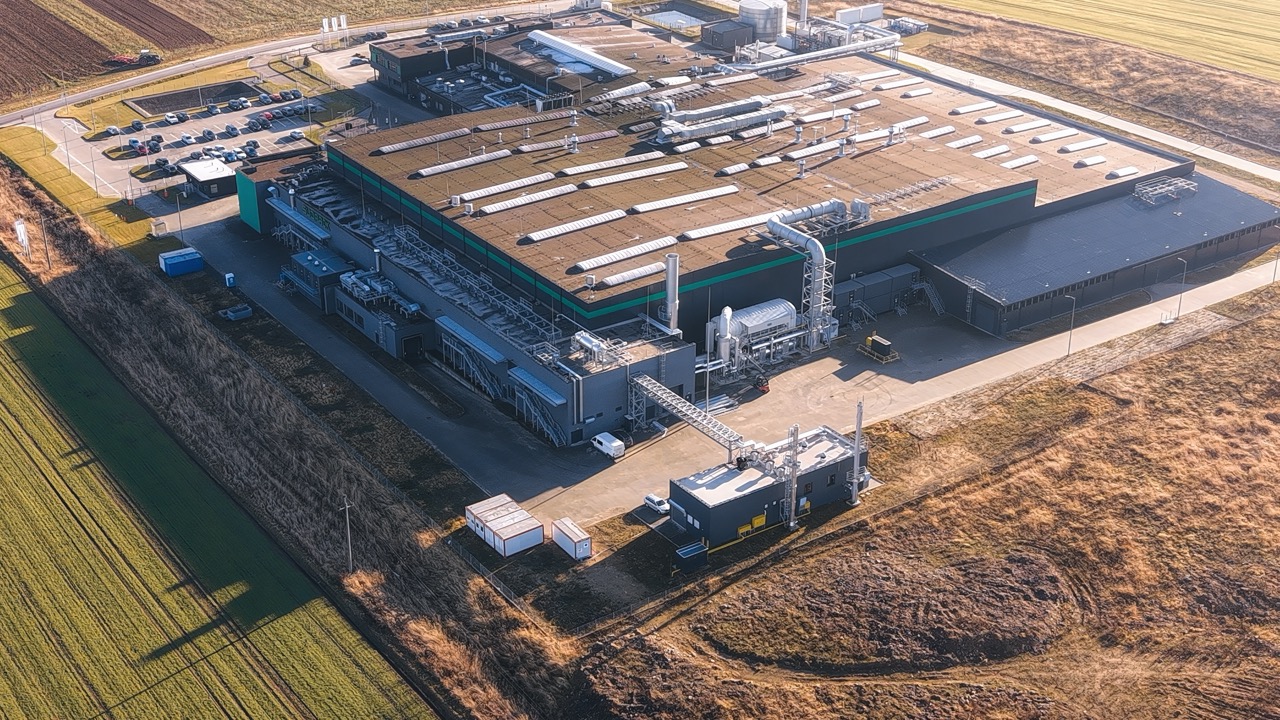
Data centers are physical buildings or dedicated spaces where servers, storage devices, and network equipment are centralized. They are the underlying core of modern digital services like cloud computing, e-commerce, social media, and artificial intelligence, responsible for processing, storing, and distributing massive amounts of digital data to ensure uninterrupted network services 24 hours a day.
The public protests have focused on concerns that some development projects received approval without adequate regulatory oversight, with some local officials even signing non-disclosure agreements with developers. Residents are generally worried about potential increases in electricity bills, depletion of precious water resources, and environmental pollution.
The protests scheduled for Saturday will mark the first coordinated nationwide action led by a grassroots organization called “HumansFirst.” The aim is to express dissatisfaction with the accelerated expansion of AI infrastructure over the past year.
Co-founder of the organization, Amy Kremer, emphasized that the protests against data centers transcend party lines and are not about political affiliations. She expressed discontent over the unregulated nature of data centers, stating that people wake up one day to find such a massive entity looming in their community, leaving them feeling very dissatisfied.
Kremer criticized Republicans for showing favoritism towards big tech companies, and she and some organizers also voiced opposition to compromise policies, such as the suspension of data center approvals in New York State under Democratic rule.
Protest organizers hope for transparency in the development process, protection of resources and environmental health, and ensuring that communities benefit from the projects, such as creating high-paying union jobs. They also advocate for mechanisms to hold developers accountable if they fail to fulfill their commitments.
Kremer predicted that data centers will become a decisive issue in the midterm elections in November and the 2028 presidential election.
The Data Center Industry Association and lobbying group Data Center Coalition have told Reuters that data centers strive to be “responsible neighbors” in the communities where they operate.
According to a Reuters/Ipsos poll in June, one-third of Americans support the speed of data center construction, with 14% of respondents in favor of establishing data centers in their communities to support projects like Meta, Alphabet, Amazon, Microsoft, and Elon Musk’s AI initiatives.
(Reference: Reuters)