
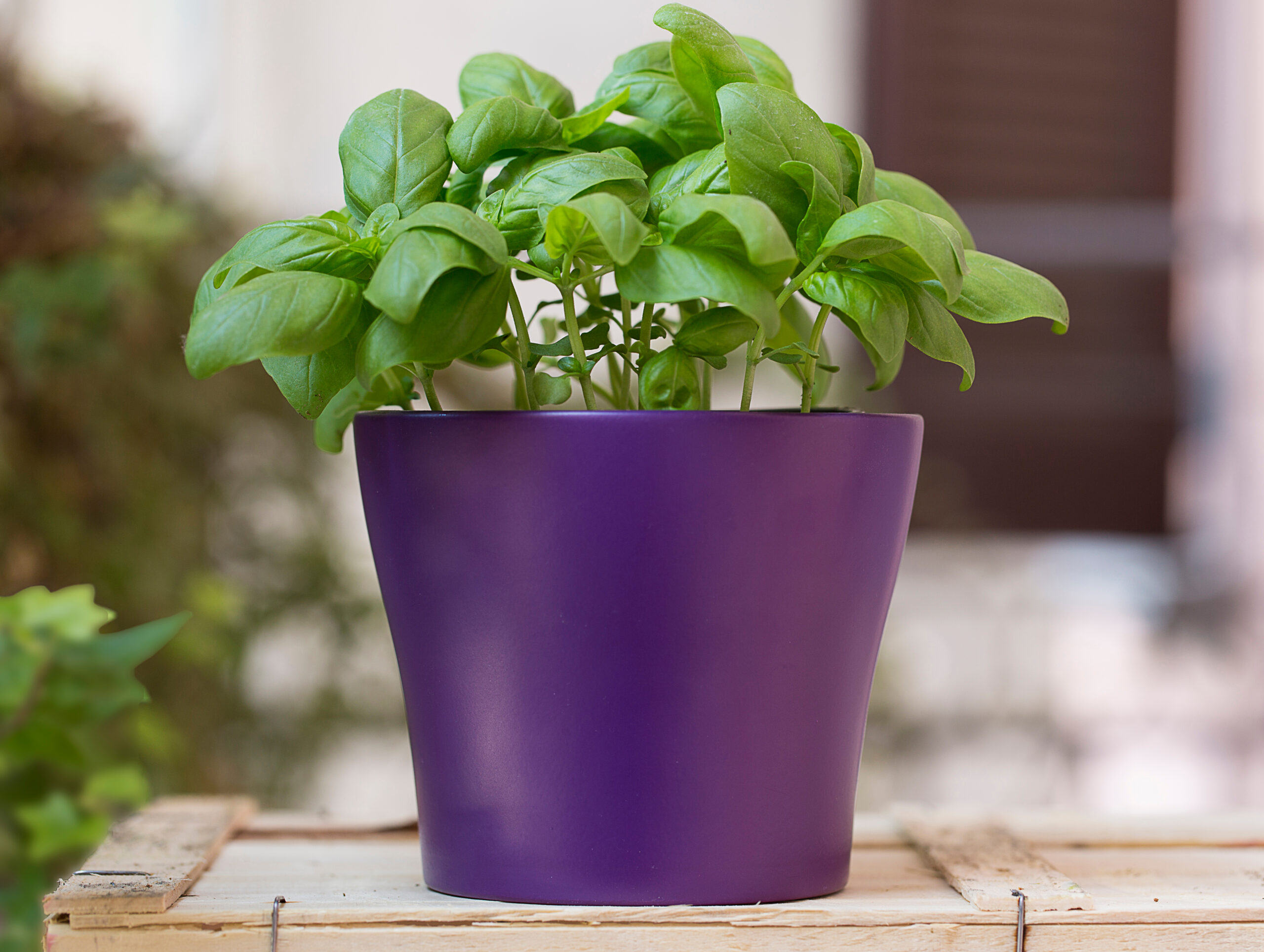
Basil is a common edible herb known for its aromatic qualities that enhance the flavor of various dishes, stimulating one’s appetite. For those who grow basil, experts have shared methods to help the plant’s leaves grow denser and more flavorful.
According to a report from the UK’s “Daily Express,” once basil starts to flower, the plant directs all its energy towards seed production instead of growing large leaves. This results in small, tough leaves that are difficult to chew and have a bitter taste, diminishing their culinary value.
Fortunately, there is a way to address this issue. Cynthia Stringham, a gardening expert from the gardening platform “Grow Better Veggies,” suggested that regularly pinching off the tip of the basil plant, a process known as “pinching,” can help the plant produce denser and more flavorful leaves.
Stringham explained, “I have talked to many people who seem to struggle when growing basil. They plant basil in their herb garden or vegetable patch, but find that the plants never grow large or lush enough.”
She emphasized that the key to success lies in continual pinching. Even when the plant is still young, it is essential to pinch off the tip. This can be easily done with just your fingers, without the need for scissors or pruning shears.
Pinching basil delays its flowering, allowing the plant to focus its nutrients on leaf growth, ensuring tender leaves and a more intense aroma. Since basil is an annual plant that completes its life cycle from germination to flowering typically within a year, once it flowers, the plant naturally begins to decline.
This pinching method not only promotes larger leaf growth but also encourages the plant to produce more side shoots, ultimately leading to a bountiful harvest.
To correctly pinch basil, identify the node, a small bump where two leaves are growing opposite each other on the main stem. Use your fingers to remove the stem above the node. Be careful not to damage the leaves themselves, as they will develop into new basil branches.
During the summer months, basil often flowers, so it is crucial to check the plant’s growth at least weekly to promptly remove flower buds and delay flowering.
If you notice that your basil has already produced numerous flowers, you may consider acquiring new plants or propagating through cuttings. At this stage, the basil has entered the final phase of its life cycle, making it challenging to survive for more than a few weeks.
“The Old Farmer’s Almanac” notes that basil thrives best in an environment with 6 to 8 hours of adequate sunlight daily but can still grow well under partial light conditions.
Basil is well-suited for cultivation in containers or raised beds as these methods promote proper drainage. The ideal soil pH should be between 6.0 to 7.5 (slightly acidic to neutral).
Once the temperature reaches 80 degrees Fahrenheit (27 degrees Celsius), basil enters a period of lush leaf growth. When the basil plant reaches a height of 6 to 8 inches (about 15 to 20 centimeters), it is ready for leaf harvesting.
The best time to harvest basil leaves is in the morning when they are most hydrated and flavorful. Regular harvesting is crucial to promote continuous growth throughout the summer. Even if not immediately consumed, regular harvesting helps maintain the plant’s vitality, and the harvested leaves can be stored for future use.
The best way to preserve basil is by freezing it. Freezing helps retain most of the basil’s flavor. For quick freezing, place whole or chopped leaves in a sealed, resealable plastic bag and store in the freezer.
Another preservation method is drying basil, though this may lead to some flavor loss. Remove the leaves from the stems and place them in a well-ventilated, cool area. If the leaves are not completely dry after 3 to 4 days, they can be placed in the oven at the lowest temperature with the door slightly ajar. Remember to check regularly and flip the leaves for even drying.
A popular preservation method is making pesto. Blend fresh basil leaves with olive oil, pine nuts, garlic, and Parmesan cheese to create a sauce, then refrigerate or freeze. This not only preserves the basil’s freshness but also allows for the enjoyment of delicious pesto anytime.