
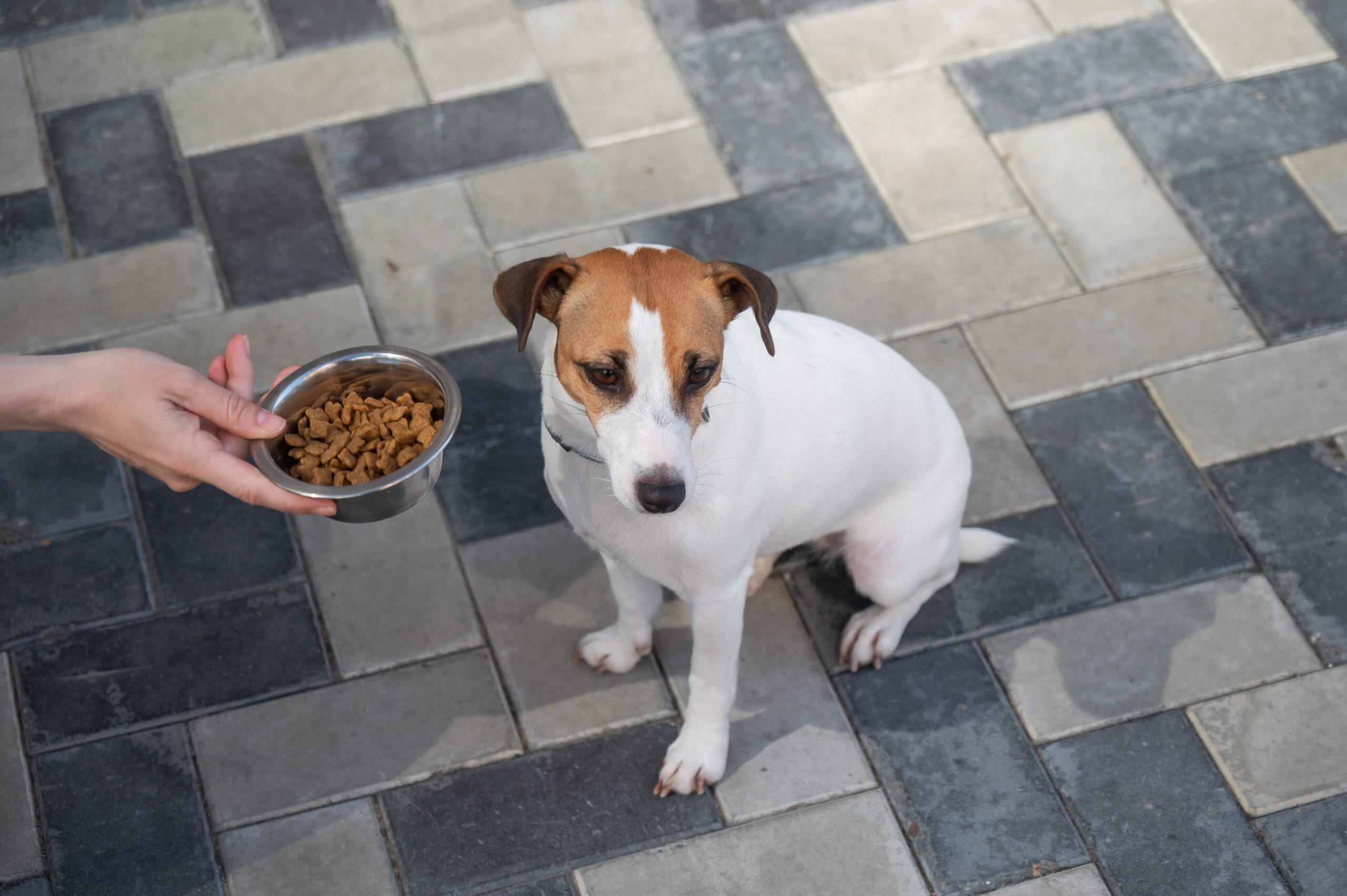
People and dogs alike may sometimes refuse to eat or drink due to various reasons such as concerns or other issues. The reasons for a dog not eating or drinking can vary, including feeling unwell, picky eating habits, dental problems, anxiety, stress, disruptions in daily routine, or changes in the environment. As a dog owner, it is important to understand the potential reasons for a dog’s refusal to eat or drink and take appropriate measures to help them recover their health promptly.
Pet food brand Pedigree, on their website, mentioned that if a dog goes without eating or drinking for an extended period, their health condition may deteriorate rapidly. Therefore, owners must promptly identify the root cause. Here are some common reasons:
Illness or pain
Dogs are adept at hiding pain, so a loss of appetite is usually the primary indicator of physical discomfort. If your beloved canine is refusing food and water and appears lethargic, it may be due to disease-induced pain or discomfort, such as dental issues. In such cases, seeking veterinary advice promptly is necessary.
Gastrointestinal discomfort
Dogs may refuse to eat or drink when feeling nauseous. The reasons for a dog’s nausea can vary, including bacterial or viral infections, ingestion of foreign objects, intestinal parasites, or intestinal blockages. Apart from a loss of appetite, dogs may exhibit other gastrointestinal discomfort symptoms like vomiting, diarrhea, or constipation. In such scenarios, seeking veterinary help is advisable.
Anxiety or stress
When dogs feel anxious or stressed, they may also experience a loss of appetite. Changes in their environment or daily life can trigger anxiety or stress in dogs. For example, moving to a new house, home renovations, the addition or loss of family members or pets, as well as loud noises like construction, fireworks, or thunderstorms, can lead to dogs refusing to eat or drink.
Furthermore, changes like family members returning to work or children going back to school disrupt a dog’s daily routine, potentially causing separation anxiety, leading them to feel bored and lonely.
Food changes
Dogs may be accustomed to a specific type of diet, and sudden changes by the owner may result in refusal to eat. Therefore, if you plan to switch to a different brand or flavor of dog food, a gradual transition over about a week is recommended. Start by mixing a small amount of the new food with the old one, allowing the dog to adapt to the new taste gradually before increasing the proportion of the new food until the full transition is complete.
Stale or spoiled food can also deter dogs from eating. Ensure dog food is stored in a cool place, check the expiration date on the packaging before feeding, and promptly clean any leftovers in the pet bowl.
Fussy eating
Apart from dietary changes, there are several reasons why dogs may be finicky eaters. For instance, feeding dogs with table scraps often might lead them to refuse regular meals. (It is not advisable to feed dogs human food, as some items may be toxic or unsafe for them.)
If a dog rejects regular meals but readily eats treats or food from your plate, this indicates picky eating behavior. Dogs that refuse to eat due to discomfort will generally avoid any food and water. It is recommended to establish a regular feeding schedule for dogs and restrict their consumption of human food and treats.
Check the dog’s mouth (including teeth and gums) for any signs of damage, inflammation, or infection to rule out dental issues. Monitor the dog’s bowel movements for signs of diarrhea or constipation. Even if the dog refuses to drink, ensure they are still urinating.
If a dog appears lethargic, less active than usual, it could be a sign of physical discomfort. In the case of a bacterial or viral infection causing a fever, the dog’s ears and paw pads may feel warm to the touch.
If everything else seems normal with the dog, consider whether there have been changes in the environment or specific circumstances causing them stress or anxiety.
Regardless of what you believe is causing the dog’s refusal to eat or drink, consulting a veterinarian is crucial to rule out potential health issues and obtain advice on how to help them resume eating or drinking.
If your dog has gone without food or water for over 24 hours, regardless of whether you have found the cause, contact a veterinarian immediately, as their condition may rapidly deteriorate without food or water. If vomiting or diarrhea accompanies the refusal to eat or drink, seeking urgent medical attention within 12 hours is recommended.
For puppies, senior dogs, underweight or overweight dogs, those with illnesses or discomfort, or suspected ingestion of foreign objects or toxic substances (including potential causes of gastrointestinal blockages), you should also seek veterinary assistance.
Ensuring your dog receives a balanced diet and an adequate amount of water intake is crucial for their overall health and happiness.