
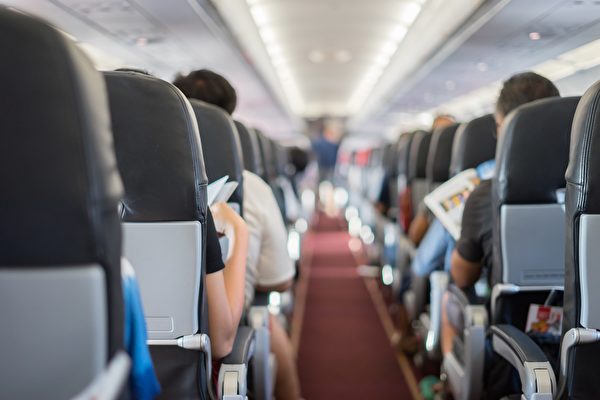
The increase in air ticket prices, flight delays, and cancellations could make this summer’s travel unusually frustrating, leading many to regret not opting for a staycation.
According to a report by the U.S. PIRG Education Fund, flight punctuality last year hit its lowest point since 2014, with one out of every 12 flights delayed by at least an hour and over 100,000 flights canceled.
Based on data from the U.S. Department of Transportation, the airlines with the highest rate of flight cancellations were American Airlines, Frontier Airlines, and JetBlue Airways. The airlines with the fewest cancellations were Allegiant Air, Hawaiian Airlines, and Southwest Airlines. Hawaiian Airlines, Delta Air Lines, and Southwest Airlines had the highest on-time performance, while Frontier Airlines, JetBlue Airways, and American Airlines had the lowest.
Flight delays and cancellations were attributed to a combination of factors, including recent government shutdowns in the U.S., shortage of air traffic controllers, severe weather conditions, and airlines scheduling more flights than airports can handle.
Teresa Murray, Director of Consumer Rights Oversight at the U.S. PIRG Education Fund, highlighted that passengers trying to avoid luggage fees by cramming suitcases into overhead bins could also cause delays. Despite a 1% decrease in passenger volume last year, checked baggage numbers dropped by 5% compared to 2024.
Murray also pointed out that many airports, including Chicago O’Hare International Airport, are reducing flights to minimize operational delays, and the situation is not expected to improve this summer, potentially getting worse.
With a surge in passenger volume and federal mandates leading to flight reductions at some airports, as well as extreme weather events like thunderstorms and hurricanes, the travel plans of passengers could be disrupted.
Major airlines anticipate higher passenger traffic this year than in previous years. United Airlines announced this week that events such as the World Cup are driving an increase in passenger demand, with an estimated 53 million passengers expected from June to August, approximately 3 million more than the same period last year.
The ongoing Iran conflict has pushed up aviation fuel prices, forcing airlines to raise fares and find ways to cut costs on low-efficiency, unprofitable routes.
Yuvraj Datta, Chief Supply and Revenue Officer at travel technology company Fareportal, noted that fuel costs could account for up to 30% of operating costs for flights. Higher aviation fuel costs have made the aviation system extremely fragile, leading to price hikes and the elimination of unprofitable routes.
Katy Nastro, a travel expert at the ticket discount website Going.com, explained to CBS News that federal regulations entitle passengers to a refund when flights are canceled and they choose to either cancel their tickets or reschedule.
Nastro cautioned that budget airline tickets may result in multiple layovers, making it easier for travel plans to be disrupted. When booking such tickets, it is important to consider whether saving money or peace of mind is more valuable.
Nastro also advised that government data shows flights departing between 6 to 8 am have an 18% higher probability of arriving on time. This is because early-morning flights have usually arrived at the airport by then, whereas weather conditions may deteriorate later in the day, leading to a domino effect of delays.