
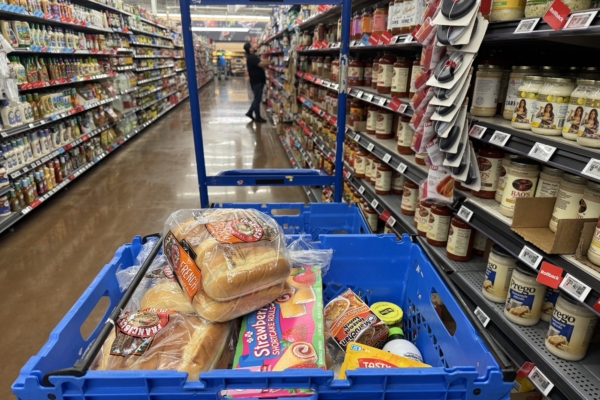
California is set to implement a new plastic recycling law that is expected to increase the cost of living for residents. The industry explains that the increased operating costs imposed on businesses may ultimately be passed on to consumers.
In 2022, California passed SB54, the Plastic Pollution Prevention and Packaging Producer Responsibility Act, which requires relevant businesses to contribute towards packaging recycling and processing costs.
The law mandates that relevant businesses must pay $5 billion over a period of 10 years to address the environmental impact of plastic pollution. CalRecycle, the California Department of Resources Recycling and Recovery, estimates the total cost of implementing the law to be around $21 billion.
CalRecycle states that not only will the direct costs of implementing the new law be borne by businesses within California, but out-of-state businesses supplying the California market will also share the burden. Major contributors include manufacturers, wholesalers, retailers, and food service providers, industries closely tied to everyday consumer consumption.
According to a regulatory impact assessment report released in 2025, if businesses pass on all costs to consumers, each household could see an annual increase of $190 in expenses. Some industry groups believe that the official estimates underestimate the potential impact on consumers, and that once businesses are forced to make compliance changes, prices of everyday consumer goods may significantly rise.
CalRecycle’s analysis reveals that around 5,700 large producers will be regulated under the law. While the law is aimed at reducing plastic pollution and increasing recycling rates, the pressure and burden it places on businesses and consumers remain a contentious issue in the public debate.
On June 22nd, attorneys general from 17 states across the U.S. filed a joint lawsuit against California, along with the National Association of Wholesaler-Distributors (NAW), accusing California’s plastic recycling regulations of imposing unfair burdens on businesses. The Nebraska Attorney General’s Office stated in a press release that the law would compel businesses nationwide to comply with California’s “man-made environmental preferences,” infringing on states’ sovereignty.
The lawsuit stated, “California has no authority to set national policies; it has no authority to ‘project’ its legislation onto other states as if it were superior to them.” Plaintiffs also noted that if the SB54 law is formally implemented, residents and impacted businesses in plaintiff states will face “hardship and losses.”
The SB54 law went into effect in May of this year, with formal fees scheduled to commence in August. The new law primarily targets single-use packaging and disposable plastic food service ware, including glass, ceramics, metals, fibers, paper, and wood materials. Businesses producing or utilizing these disposable products must ensure that by 2032, 100% of such products sold in California are recyclable or compostable.
Additionally, this year, businesses must reduce the sales or distribution volume of disposable plastic packaging and food service ware by 25% compared to 2023; and also ensure that 65% of them are recycled.
To meet the requirements of the regulations, CalRecycle estimates that a total investment of around $21 billion is needed, including costs for large producers to report, manufacturing and production costs, and infrastructure costs.
For example, to achieve the plastic recycling rate goals, California must establish and expand related infrastructure to enhance the operational efficiency of recycling systems and waste management systems. The total cost of expanding related infrastructure is estimated to be around $26 billion.
Compared to implementation costs, CalRecycle estimates through modelling that the total benefits after the law’s implementation could reach $53 billion. However, this is not direct income for businesses or the government, but primarily a reduction in environmental pollution and health costs resulting from decreased production of virgin plastics.