
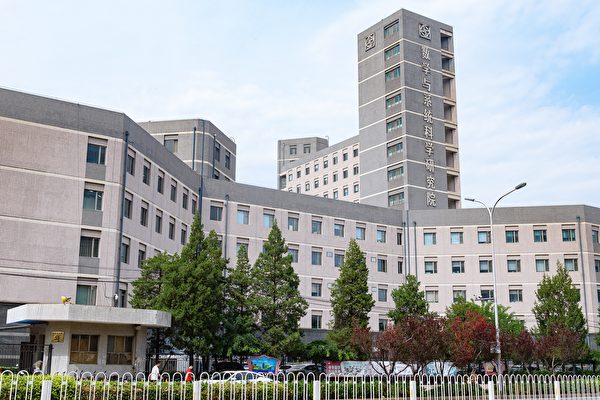
In a recent interview with a former doctoral student from a research institute of the Chinese Academy of Sciences, Xiang Ming (pseudonym) expressed his disillusionment with the academic environment in China. Xiang, who has since left China for overseas, described feeling like a “cannon fodder” under the regime, unwilling to be a pawn for the communist regime. He raised concerns about the lack of prospects and the prevalent culture of taking credit for others’ work, leading many of his colleagues to choose to remain passive (“lying flat”) in order to maximize their own interests.
Moving on to a recent scandal in China, prominent academic figures in the field of life sciences have been accused of publishing fake research papers. This includes deans and top scholars from renowned institutions such as Tongji University, Nankai University, and Sun Yat-sen University. The exposure of these alleged academic frauds sent shockwaves through the academic community in China, prompting investigations and criticisms even from state media.
The whistleblower known as “Geng Xue” exposed these scholars, shedding light on the prevalent culture of academic misconduct fueled by the pursuit of fame and lack of oversight mechanisms. This event has sparked discussions on the integrity of academic research and the challenges faced by researchers in China.
Xiang Ming, who had previously studied at the Chinese Academy of Sciences, further disclosed the chaotic state of affairs in the Chinese academic realm. He highlighted the practice of exploiting research findings and the pressure to prioritize the interests of superiors over individual contributions. According to Xiang, the system in place demands researchers to relinquish their work to higher-ups for recognition, perpetuating a cycle of exploitation and lack of credit for genuine efforts.
Moreover, Xiang revealed instances where doctoral candidates from foreign countries were allegedly assisted by Chinese scholars in writing their dissertations, raising concerns about the integrity and authenticity of academic achievements. This practice not only undermines the credibility of academic degrees but also reflects systemic issues within the Chinese academic structure.
In light of these revelations, Xiang expressed his disillusionment with the system, emphasizing the need to dismantle the existing framework controlled by the Communist Party. He criticized the prioritization of political affiliations over academic merit, leading to a culture of exploitation and manipulation at the cost of genuine research.
The pervasiveness of these issues extends beyond academia, as reports of harassment and coercion of female doctoral students by their mentors have also surfaced online, further underscoring the toxic environment prevalent within academic institutions in China.
In conclusion, Xiang Ming’s experience sheds light on the intricacies and challenges faced by researchers in China’s academic landscape, calling for systemic reforms to ensure transparency, integrity, and ethical conduct in research practices. His decision to leave China and speak out against the prevailing injustices reflects a broader sentiment of disillusionment and discontent with the existing structures under the Communist Party’s rule.