
The US Department of the Treasury’s Office of Foreign Assets Control (OFAC) announced on July 14th an intensified effort to combat the illegal shipping and sanctions evasion network led by Mohammad Hossein Shamkhani. This network has become a key player in Iran’s oil exports, expanding its operations to global container shipping and commodities trading in recent years.
This action by the US Treasury Department is in response to Iran’s recent attacks on passing vessels in the Strait of Hormuz. OFAC stated that the Treasury aims to cut off the financial support and infrastructure used by the regime to threaten US national security and global maritime safety.
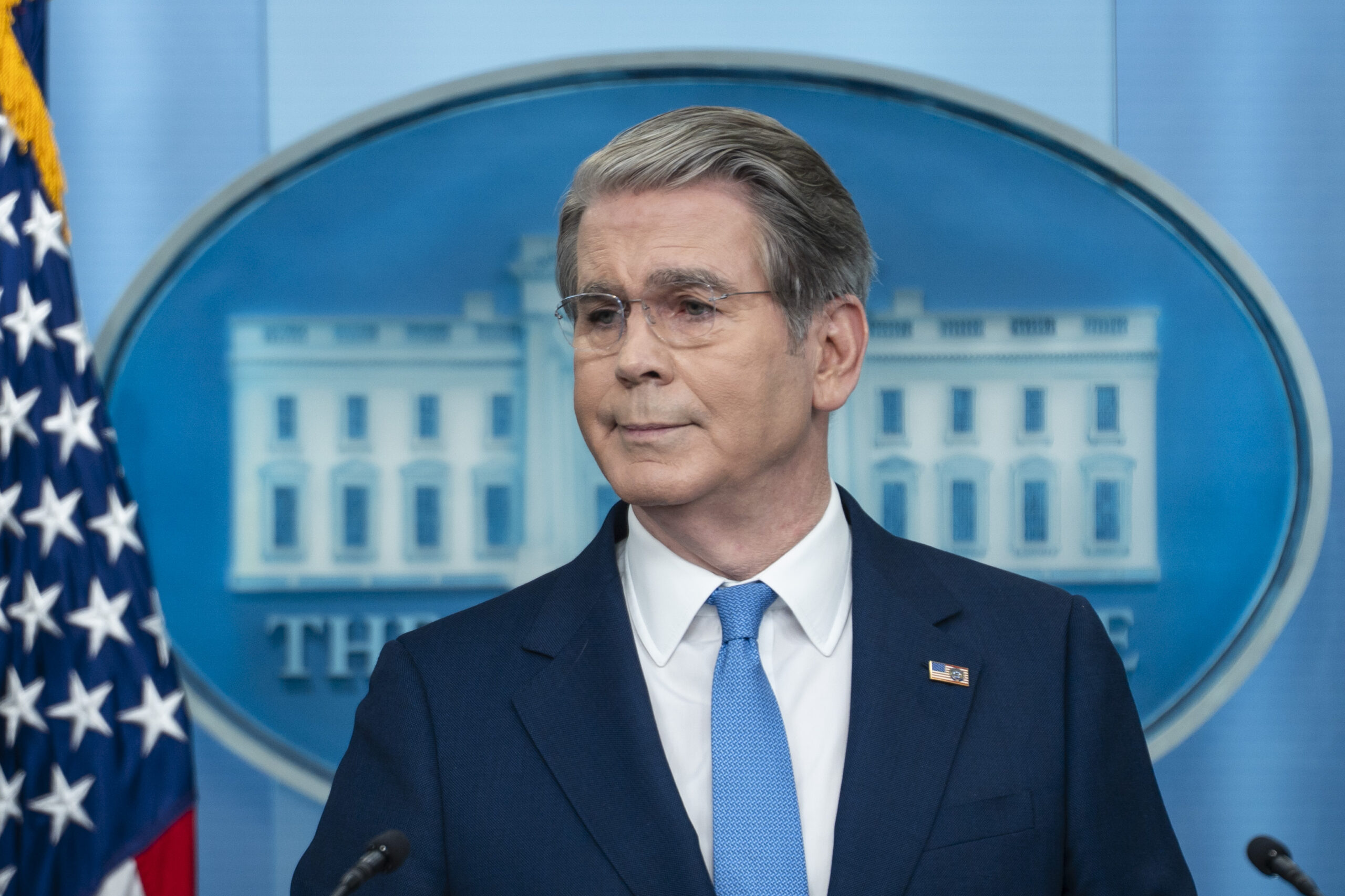
US Treasury Secretary Scott Bessent stated, “The Iranian regime relies on deceit to operate, and the Shamkhani network is one of its most profitable engines. The Treasury is cutting off the financial infrastructure supporting this regime, preventing it from continuing to threaten US national security and global shipping.”
The sanctions imposed by OFAC cover more than 50 individuals, entities (companies), and vessels, including two Hong Kong companies. This is another significant blow to the Shamkhani network following sanctions in July 2025 and April 2026. So far, the US Treasury Department has sanctioned over 200 associated entities under this network.
Shamkhani is the son of the late Iranian senior security official Ali Shamkhani. Ali Shamkhani was a key figure in Iran’s security and nuclear policy-making and was killed in a joint US-Israel air strike on Tehran on February 28.
The primary targets of these sanctions are Shamkhani’s main financial and logistical collaborators, as well as his closest business partners.
Among them are individuals assisting the illegal shipping network in currency exchange, obtaining foreign currencies, and establishing offshore shell companies:
Iranian nationals Hossein Ghorbani Zahed and Mohammad Reza Rahbar Madani (both dual nationals with Dominica passports) provided services like foreign exchange and setting up offshore shell companies for the network.
Ali Rakhbarmadani, a dual Iranian-Russian national, is one of Shamkhani’s closest business partners, responsible for shipping operations. He directed the network’s Russian trade line to evade price limits and make huge profits.
Martin Austin Kaalund from Denmark and Alessandra Ronco from Italy, who served as senior executives of Shamkhani’s shipping regulatory company, played core roles in daily operations and overall strategy.
Other individuals sanctioned include Asghar Aghili Dehkordi and Behzad Moghadas from Iran, Jijin George and Gautam Vishavdeep from India, and Maksim Tsernosjov from the UK, who assisted in scheduling and inspecting illegal oil tankers and fleets.
These sanctioned companies essentially operate as a money laundering and smuggling network. They utilize shell companies to conceal identities, manipulate currency exchanges to hide fund flows, and manage a large ghost fleet dedicated to selling Iranian oil and container transport globally, evading US and international economic sanctions. They primarily engage in three core businesses:
These companies are the backbone of the network, responsible for transporting controlled goods like Iranian oil worldwide and operating global container shipping.
To launder proceeds from oil sales and repatriate funds to Iran, the network established various financial and business entities, including networks providing currency exchange services, facilitating access to foreign currencies, and acting as hidden beneficiaries to conduct sanctioned commodity transactions and fund recovery through shell and proxy companies in the international financial system.
Some sanctioned companies directly participate in trading and coordinating major commodities like oil and petrochemical products, providing a continuous source of funding for the Iranian regime.
Among the sanctioned shipping and container companies, there are two Hong Kong companies involved – Sai Wan Shipping Limited and Ocean Searum One Limited. They are the ship owners and operators of the freighter ELPINIKI (also known as CORN) flying the flag of Barbados.
Sai Wan Shipping Limited previously managed and operated shadow oil tankers named HOPE 1, ELPINIKI, JADE, and OPAL. Their specific operations included crew management, vessel maintenance arrangements, technical management, communications with classification societies, document and compliance management, and daily operational coordination. Communication with classification societies involves ship management companies communicating and coordinating with these societies to ensure vessels comply with technical, safety, and regulatory requirements.
OFAC’s announcement clearly states that the companies managing these four shadow oil tankers through Sai Wan Shipping Limited have been designated for sanctions, and these vessels have been listed as frozen assets.
According to the US Department of the Treasury, individuals and entities designated for sanctions or listed as frozen assets who hold any property and property interests within the United States or controlled by US persons will have their assets frozen and must be reported to OFAC.
Furthermore, any entity directly or indirectly owned by one or more sanctioned individuals, whether individually or with a cumulative stake of 50% or more, will also be considered a sanctioned entity subject to the same restrictions.
OFAC’s regulations generally prohibit transactions involving the property or property interests of sanctioned or frozen individuals conducted by US persons or transactions occurring within the United States or transiting through the United States, unless authorized by OFAC or under exemptions provided by law.
The Treasury Department stressed that violations of US sanctions could lead to civil and criminal penalties for both US persons and foreign individuals. Under the principle of strict liability, even unintentional violations of sanctions could lead to penalties if it objectively violates sanction regulations.