
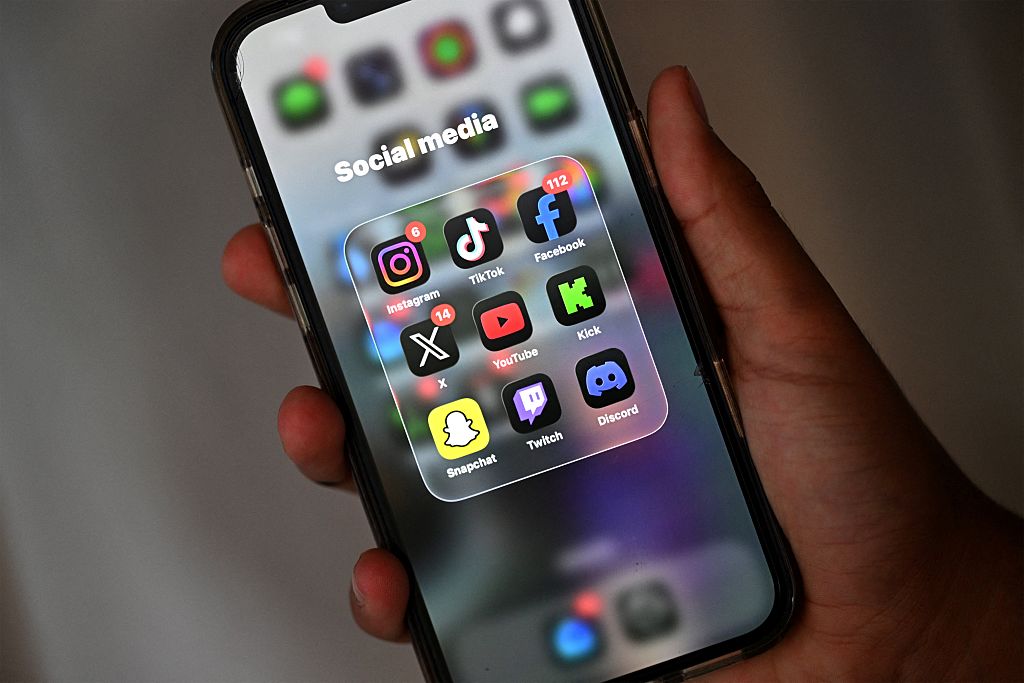
A research project funded by the UK government aimed to investigate the effects on the physical and mental well-being of adolescents after restricting their use of social media. The results of the study, released on Tuesday, July 14, showed that adolescents participating in the project experienced improvements in their sleep, attention, and overall physical and mental health after the restrictions on social media use.
The study, involving 309 families, was commissioned by the UK government, with outgoing Prime Minister Stalmer announcing plans to ban social media use for those under 16 years of age.
Participants ranging from 13 to 17 years old were randomly assigned to one of three social media restriction measures for a period of one month: limiting daily social media use to 15 minutes, completely prohibiting social media use from 9 pm to 7 am, or removing social media apps entirely from their electronic devices.
The research findings indicated that a complete ban on social media usage had the most significant impact on improving concentration but also caused the most disruption in social interactions.
For families, completely prohibiting nighttime social media usage was deemed the most feasible and sustainable measure, leading to the most stable improvements in sleep quality.
Individuals often circumvented these restrictions by using tablets, laptops, and older phones, while adolescents mentioned using VPNs and falsifying their age to evade stricter controls.
Participants from all groups reported improvements in sleep, emotions, attention span, study time, and family interactions.
The compliance rate for the 15-minute daily social media usage limit was the lowest and often perceived as impractical as the time restriction interrupted communication with peers.
Many participants stated feeling disconnected from friends during the trial, especially when Snapchat was their main means of communication.
Researchers suggested that restriction measures should account for age and maturity, granting older adolescents greater autonomy.