
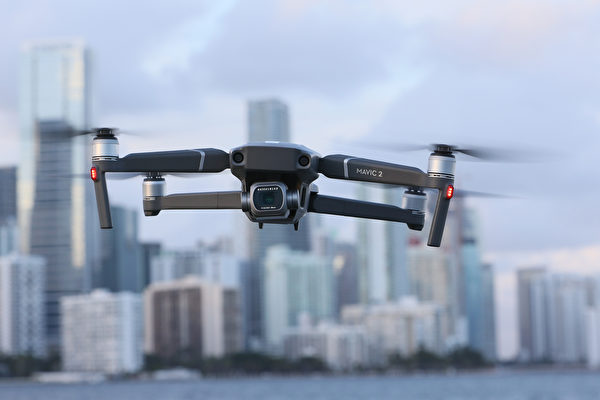
China’s civil drone industry is currently facing unprecedented challenges. The dual blow of tightened domestic regulations and a ban in the American market has led to a drastic decline in drone shipments in 2026.
The industry leader in China, DJI, has already begun shifting its focus towards action cameras and robotic sweepers to adapt to the rapidly shrinking market.
According to a report by Nikkei News, exhibitors at this week’s drone world conference in Shenzhen expressed widespread concerns about the industry’s prospects.
A representative from a Shenzhen manufacturer bluntly stated, “The entire industry is suffering greatly.” Another exhibitor disclosed that a major factory’s shipments this year were even less than one-third of the same period last year.
Behind this wave of industry downturn is a series of new drone regulations implemented by the Chinese authorities since 2026. Starting in January, all drones, regardless of weight, must undergo real-name registration. Additionally, drones are now officially classified as aircraft under national aviation laws.
Since May this year, regulatory efforts have been further intensified. Authorities now require drones to be equipped with two functions: first, drones will not be able to fly if users do not complete official registration; second, drones must immediately transmit flight data such as location, speed, and altitude to the authorities.
Violators of flight regulations could face up to 15 days of detention.
In the capital Beijing, the control measures are particularly strict. According to Nikkei Asia, Beijing has banned the sale of drones, and the entire city has been designated as controlled airspace, essentially prohibiting drone flights. Travel information websites also remind that visitors have been prohibited from bringing drones into Beijing since May 1.
A salesperson from a DJI distributor in Beijing stated, “Customer traffic has significantly decreased.”
The store has returned its drone inventory to DJI by the end of April and currently, the shop is nearly empty, only displaying small action cameras and other products.
Meanwhile, the world’s largest drone market, the United States, has closed its doors to new products as well. The Federal Communications Commission (FCC) announced in December 2025 that it would ban the import of all new foreign-made drones and essential components, including products from Chinese companies like DJI and Autel.
The U.S. indicated that this move was based on national security considerations to prevent unauthorized surveillance, sensitive data leakage, and supply chain vulnerabilities.
Sebastian Gorka, the Senior Director for Counterterrorism at the National Security Council, stated, “Drones are a crucial part of America’s future security. They must be manufactured in the U.S.”
Although this policy does not affect previously authorized or legally purchased existing models, DJI indicated that the new regulations would prevent the launch of over 25 new products in 2026, resulting in over $1.5 billion in losses.
According to statistics from the General Administration of Customs of China, China’s exports of civilian drones to the U.S. have seen a year-on-year decline since August 2025. Since December 2025, the year-on-year declines in most months have ranged from 60% to 70%.
Facing pressure from both domestic and international factors, DJI’s founder and CEO, Wang Tao, stated to Chinese media in April that the company is starting new businesses and pursuing overseas investments from this year onwards. Nikkei Asia reported that DJI has released multiple new products, including action cameras, and expanded sales of robotic sweepers in overseas markets.
While the Chinese authorities continue to promote the “low-altitude economy” and claim that the new restrictions will make the industry order “safer and more secure,” manufacturers have felt the pressure of rising costs. A representative from a Shenzhen manufacturer expressed that the increased costs are further eroding profit margins.