
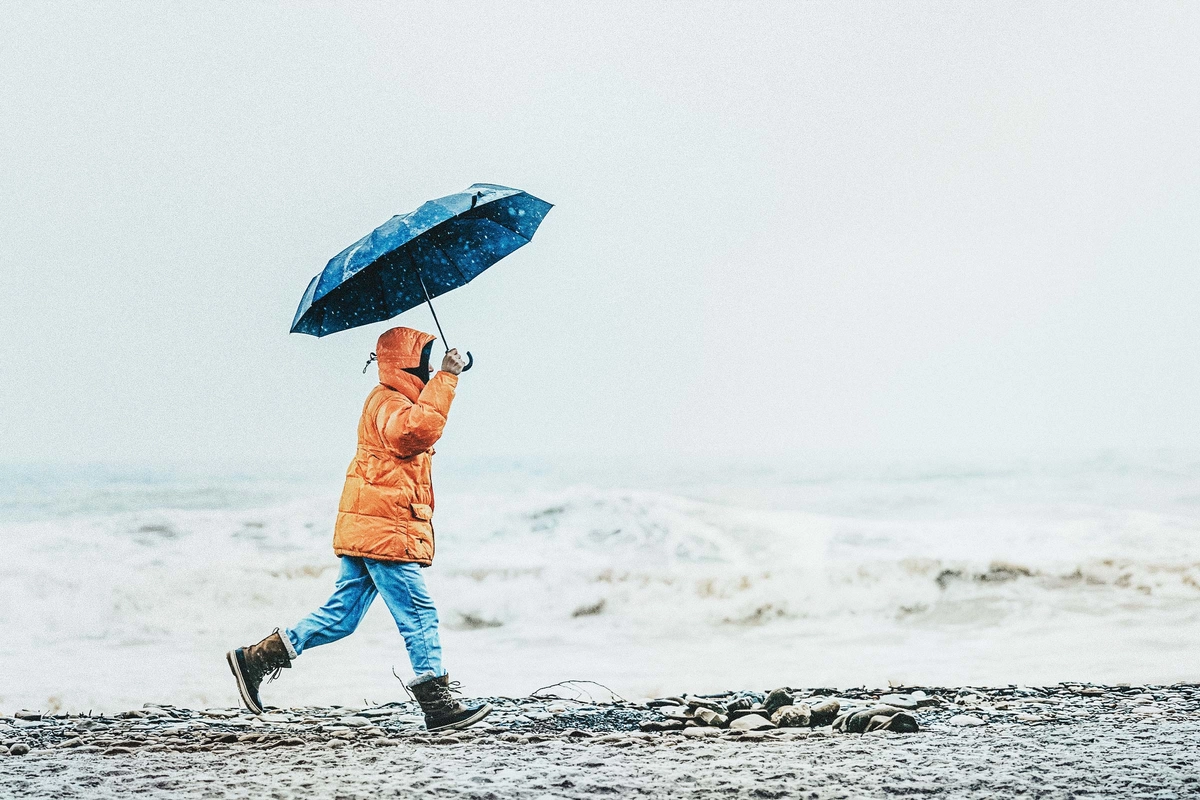
On a sunny day, one might believe that everything will always go smoothly. However, the storms of life never give warning, often sweeping us into chaos without any preparation in the next moment.
Just like the profound confession in the 2002 film “The Count of Monte Cristo” directed by Kevin Reynolds:
“Life is a storm, my young friend. You may bask in the sunlight one moment and be crushed the next. What defines you is how you face the storm when it comes.”
The pain brought by the storm, though terrifying, also serves as a pause button forcefully pressed by fate, making us stop our blind steps and see ourselves anew.
In the peaceful and comfortable days, we are too easily swayed by the current. The daily grind of work, entertainment, and habitual rhythms of life often make us believe that time will always remain calm, leading us to lose ourselves in the warm waters of our comfort zone.
In this tranquility, we often unconsciously compromise our principles, even finding excuses for our hurtful words and actions towards others or ourselves, pretending not to see the subtle signs of imbalance in life. The smooth sailing life becomes a drug, causing us to forget to introspect.
Until the storm hits, and everything changes in an instant.
Whether it is work, finance, family, relationships, or health, the collapse in any field is like a huge rock falling into water, causing immense waves. Sometimes the storms come one after another, relentless in their strikes, making it hard to catch a breath in the raging torrent. In that moment, the sense of security we once took for granted is instantly shattered, awakening us to the realization that uncertainty and upheavals are the norm in life.
However, while the storm takes away our comfort, it also brings an unexpected gift, forcing us to slow down, to be still, and in the sudden silence of the world, to re-examine life with the most sincere and honest new perspective.
At this moment, the storm is no longer just a destroyer but a teacher guiding our transformation.
The storm is not only a spiritual practice but is also backed by solid scientific evidence. Modern neuroscience and psychology studies indicate that how we deal with adversity significantly reshapes our mental and physical structures.
Research shows that cultivating resilience not only effectively reduces stress, anxiety, and depression but also significantly lowers the risk of physical diseases like heart problems and diabetes. This means that how you face the storms of life directly determines the health of your body and mind.
Those who have been hit hard by fate, who have experienced significant life changes, often display this resilience miracle the most. In psychology, survivors of major disasters often undergo a psychological transformation known as “Post-Traumatic Growth”: they discover new strength in their brokenness, form deeper emotional connections with others, and regain a sense of purpose in life.
Many successful cancer patients also affirm this point. Even years after diagnosis, they still hold a deeper understanding of life, inner strength, and an improved quality of life compared to before their illness.
The storm also teaches us humility. It shows us our limits, helping us understand that true strength is not about resisting forcefully but about facing challenges with patience, honesty, and grace.
Having experienced hardships, we no longer take peaceful days for granted. When tranquility returns, we can perceive happiness more keenly, appreciate the warmth of family, the kindness of others, and cherish the seemingly ordinary daily moments. Studies also indicate that those who rely on faith during difficult times often draw strength from it, gaining a stronger sense of purpose, renewed life goals, and firmer beliefs.
Faced with sudden adversity, some choose anger, avoidance, selfishness, or blame; while others choose introspection, maintaining clarity, showing compassion, and remaining steady in turmoil.
What truly shapes our character is not the events themselves but our responses to adversity. When you choose to face challenges with mindfulness, kindness, and integrity, your character is tempered even more strongly in the storms. The storm is an opportunity inviting us to see ourselves and our circumstances from a fresh perspective, to recognize spaces for growth and improvement, and to move forward with greater wisdom.
Throughout human history, ancient wisdom from the East and the West has always shown us: storms are never meaningless disasters but opportunities for spiritual elevation.
Eastern Wisdom: Harmony between Heaven, Humanity, and Virtue
Ancient Chinese people viewed storms as reflections of universal order. Natural disasters or social upheavals were interpreted as warning signs of imbalance among “Heaven, Earth, and Humanity.” When human society is filled with greed and corruption, the natural and social order falls into chaos. Thus, storms serve as reminders for people to correct themselves, to regain clarity within.
Confucianism portrays hardships as forging virtues, testing whether one can uphold righteousness, self-discipline, and benevolence in adversity. Faced with storms, the ancients chose introspection over blaming fate.
Regardless of the tradition, ancient wisdom guides us in the same direction. When storms come, instead of lamenting, “Why is this happening to me?” try asking:
“What does this storm want to teach me?”
The wise individuals who have gone through years and storms understand that the most profound life insights are often learned on the darkest rainy days.
So, when the next storm comes, don’t rush to escape; try to slow down your pace. Let the storm take away your pride, teach you humility; let it create a space for reflection in the turmoil, helping you see the world anew. This storm might be the very opportunity guiding you towards a wiser, more authentic self.
Remember: calm seas may allow for comfortable drifting, but it is only in the wild storms that we learn how to stand tall.
The original article “Storms Don’t Break Us, They Reveal Who We Are” was published in the English Epoch Times.