
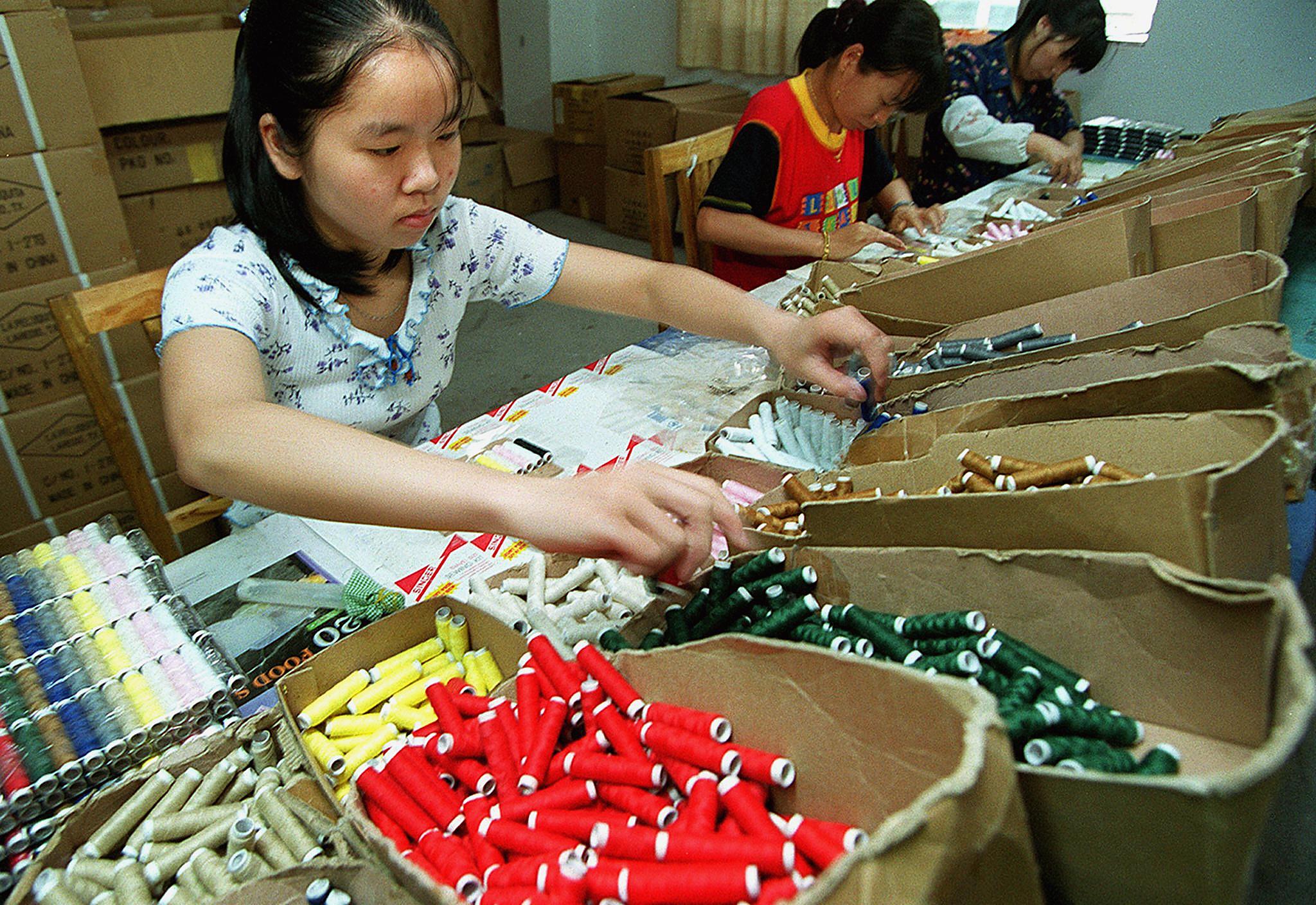
The Chinese economy continues to struggle, with small and medium-sized enterprises facing pricing challenges due to the ongoing crisis in Iran and price wars, making business operations difficult.
Small and medium-sized enterprises in China are under double pressure. On one hand, limited market demand triggers fierce competition, squeezing profit margins; on the other hand, the Middle East crisis is driving up supply costs.
The business confidence of small and medium enterprises is wavering. Data from the Chinese National Bureau of Statistics shows that in June, the Purchasing Managers’ Index (PMI) for large enterprises in the manufacturing sector remained above the boom-bust line of 50. In contrast, the PMI for small businesses continued to be below this threshold, dropping 0.3 points to 48.2.
These companies’ challenges also reflect the current slowdown in China’s actual GDP growth rate, which dropped to 4.3% in the April to June quarter, the lowest level since 2022.
According to a report by Nikkei Asia on July 15, a plastic materials market in Ningbo, Zhejiang province appeared deserted this month. Some stores were piled high with plastic raw materials bags, while others had closed down.
The owner of a printing company in Ningbo expressed on social media that due to significant budget cuts by clients, the company couldn’t raise prices. Small businesses often undertake subcontracting work from large enterprises, making them vulnerable to reduced compensation. Additionally, the labor costs for the about 50 employees in the company have risen, adding to the woes.
With lucrative large orders dwindling, the company now has to rely on small orders to stay afloat. However, intense price competition makes survival solely on small orders challenging.
Companies with limited sales channels find inventory clearance extremely difficult. A manager of a Guangdong-based export company for bags and suitcases said on social media, “Due to the deteriorating situation in the Middle East, we have lost some customers, resulting in severe inventory backlog.”
He mentioned that the warehouse is full of unsold products. To quickly clear inventory through e-commerce platforms, he had to set prices at less than half of the market price.
China is the world’s largest importer of crude oil, with about 70% of its consumption reliant on imports. As crude oil and other resource prices surge, leading to increased procurement costs, large enterprises are adjusting prices upwards.
State-owned enterprise Air China previously raised fuel surcharges to six times their previous levels. In June, automotive giant BYD raised maintenance fees for some models, with the highest increase reaching 65 Chinese yuan (about $9.60).
However, domestic demand remains weak. In a furniture and building materials market on the outskirts of Beijing, a paint store is offering promotional activities for customers purchasing three items, as evidenced by various banners inside the store.
Discover the latest news and stories on Global Economic Growth at Epoch.