
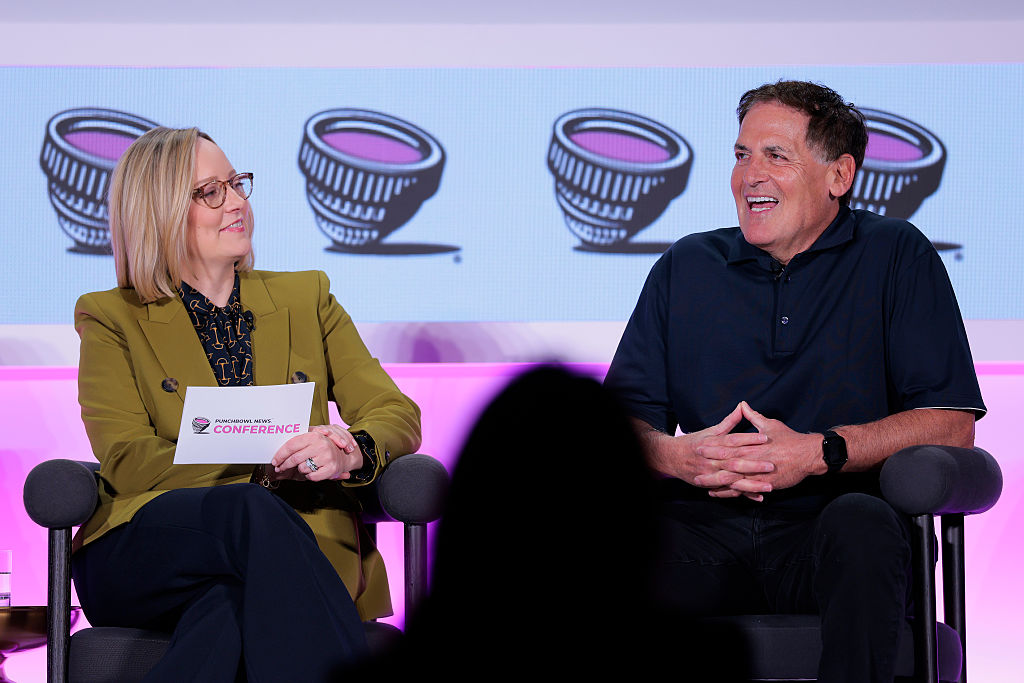
The 67-year-old billionaire and former owner of the NBA’s Dallas Mavericks team, Mark Cuban, who has long adhered to the principles of “simplicity and discipline” in finance, has accumulated wealth over the years. He has put forward six golden rules to remind middle-class retirees and pre-retirees that preserving wealth is more important than seeking high returns.
Cuban’s focus on finance lies in how to safeguard assets, avoid erroneous decisions leading to financial collapse, and help retirees strengthen their financial resilience to establish a more secure future.
Cuban has repeatedly advised people to live “like students” and shared his past experiences of sleeping on the floor, on the couch, and driving an old car for transportation. His emphasis is not on completely replicating this lifestyle but on emphasizing the importance of restraint in consumption and maintaining financial discipline.
He stated that there is limited room to increase income after retirement, so non-essential expenses such as travel and dining should be kept within budget constraints. Even with substantial savings, developing the habit of living within means is crucial, ensuring expenses do not exceed the total income from sources such as pensions, social security benefits, and investment returns.
By doing so, even in a market downturn, one can ensure that essential bills are paid and wait for the investment portfolio to recover.
Cuban mentioned that paying off credit card debt is the “best investment” because reducing high-interest expenses is akin to gaining a guaranteed financial return. As credit card interest rates often exceed 20%, the interest costs paid by cardholders may exceed the actual returns available in the investment market.
Instead of letting high-interest debt erode assets and weigh down financial situations, retirees should prioritize paying off such debts before considering purchasing annuities, increasing investments, or buying a new car. This approach helps in rebuilding wealth, reducing fixed monthly expenses, and avoiding financial stress due to cash shortages in retirement.
He advised setting aside an emergency fund equivalent to six months’ income if financial circumstances allow. Although retirees may not worry about unemployment, they still face unexpected expenses like deteriorating health, increased property taxes, or house maintenance.
This emergency fund helps individuals remain rational in times of financial pressure, avoiding making mistakes. This is particularly crucial for retirees because once a financial mistake occurs, they often lack sufficient time or income sources to recover losses. The emergency fund can be kept in savings accounts, money market funds, or short-term deposits, separate from investment accounts to ensure immediate access during emergencies.
In multiple interviews, Cuban has recommended purchasing simple, low-cost S&P 500 index funds, considering them a “prudent” investment choice. Since most people cannot outperform the market through stock selection in the long run, holding onto index funds for the long term can also yield market growth returns for investors.
He believed that some retirees may find it challenging to handle complex investment products such as annuities, permanent life insurance products, or actively managed funds, which often entail high fees. In contrast, index mutual funds or ETFs tracking the market at a low cost offer a simpler and transparent investment approach.
Similar to renowned investor Warren Buffett, Cuban preferred investing in businesses and industries he is familiar with. He warned against blindly following trends and advised against being tempted by investment advertisements promising “get rich quick” schemes or popular investment plans.
Cuban noted that many investment products are aggressively marketed simply because salespeople can earn commissions from them, not necessarily because they are worthy investments. If you cannot articulate a potential investment opportunity clearly in a few sentences, you should not easily invest your retirement savings. It is essential to understand the reasons and logic behind an investment before committing to it, rather than blindly trusting the person recommending it.
Lastly, Cuban shared how he would utilize a windfall if he were to receive one. His response was not to invest in the latest popular tech stocks but to bulk purchase essential goods at lower prices. He believed that stocking up on everyday items when prices are low to avoid future price hikes could sometimes yield higher and more practical savings than investing in the stock market returns.
He emphasized shifting from extravagant consumption to smart spending, noting that while it may not seem to yield high returns, every saved dollar represents income that does not need to be earned additionally. Additionally, by reducing phone bills, comparing Medicare plans, and utilizing tax-efficient strategies, individuals can maximize the effectiveness of their funds.
This article was referenced from a report by the American financial media outlet FinanceBuzz.