
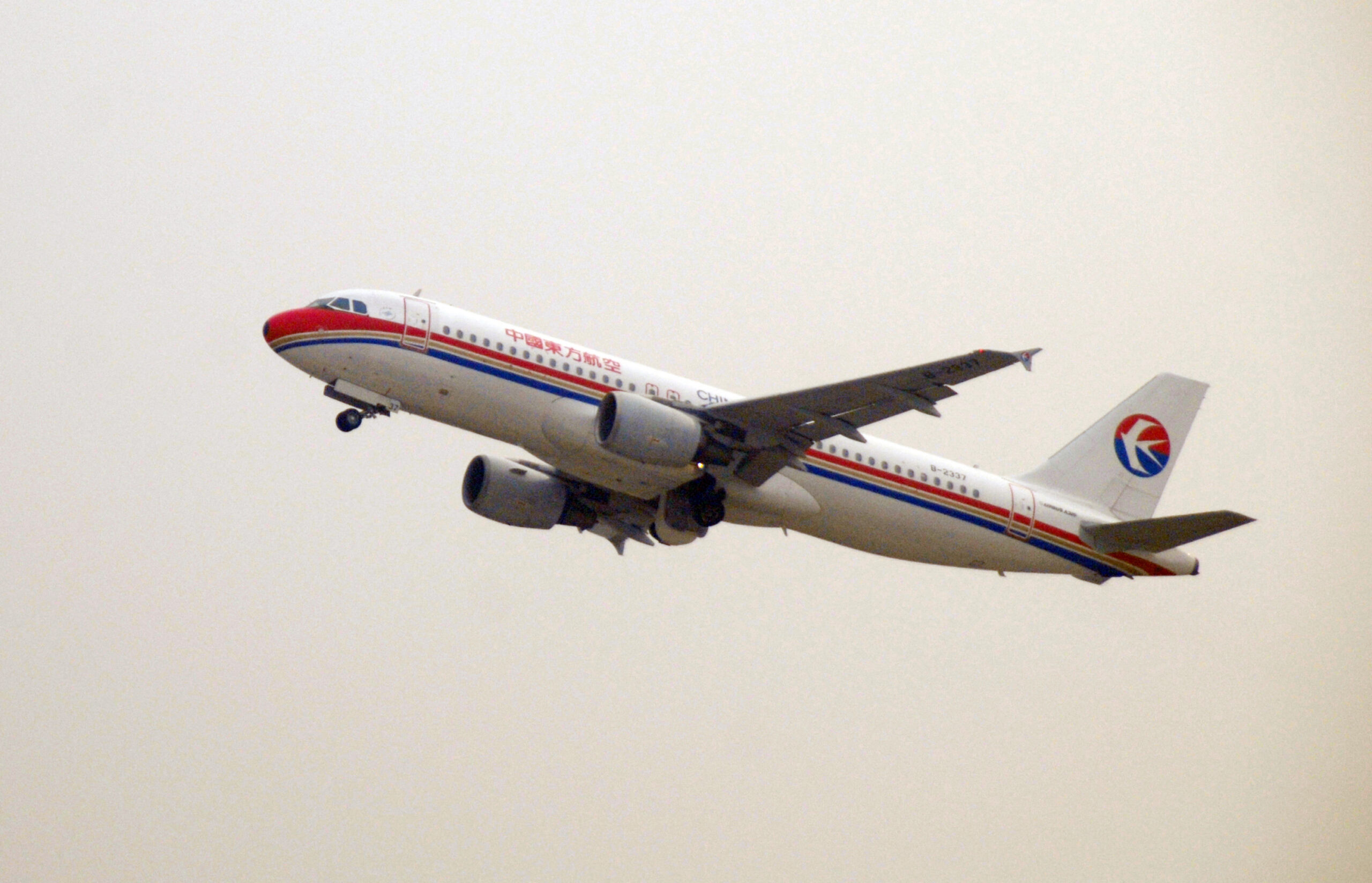
China’s three major state-owned airlines, Air China, China Eastern Airlines, and China Southern Airlines, announced on July 15th that they incurred losses in the first half of this year. The estimated net loss attributable to the shareholders of listed companies ranged from 7.373 billion yuan to 8.973 billion yuan, a significant increase compared to the loss of 4.77 billion yuan during the same period last year.
In an announcement on the 15th, Air China released its “2026 Interim Performance Forecast,” indicating that they are expecting a loss in the first half of 2026. The projected net loss attributable to the shareholders of the listed company is around 2.1 billion yuan to 2.6 billion yuan. After deducting non-recurring gains and losses, the net loss is estimated to be between 2.3 billion yuan and 3.1 billion yuan.
On the same day, China Eastern Airlines also issued its “2026 Interim Performance Forecast.” According to the Chinese Accounting Standards, they anticipate a net profit attributable to the shareholders of the listed company of about -2.4 billion yuan to -1.8 billion yuan in the first half of 2026. The projected net profit, after deducting non-recurring gains and losses, is expected to range from -3.3 billion yuan to -2.7 billion yuan.
China Southern Airlines also released a “2026 Interim Performance Forecast” on the 15th, stating that based on preliminary calculations by the company’s financial department, they expect to achieve a net profit attributable to the shareholders of the listed company between -3.473 billion yuan and -3.973 billion yuan. The projected net profit after deducting non-recurring gains and losses is estimated to be between -4.48 billion yuan and -4.98 billion yuan.
Among the three airlines, China Southern Airlines recorded the highest net loss attributable to the shareholders of the listed company in the first half of the year.
The announcements also listed the losses incurred during the same period last year, with Air China reporting a net loss of 1.806 billion yuan, China Eastern Airlines reporting a net profit of -1.431 billion yuan, and China Southern Airlines reporting a net profit of -1.533 billion yuan.
Compared to the data from the same period last year, all three airlines experienced a significant increase in losses in the first half of this year.
The reasons given for the losses in the announcements all pointed to the significant increase in oil prices, which led to a substantial rise in costs and a squeeze on the airlines’ profit margins.
In the cost structure of airlines, jet fuel costs typically account for around 30% of operating costs, making it one of the most significant cost items in the aviation industry.
According to data from the Financial Association on July 15th, the average ex-factory price of jet fuel for Air China remained stable at 5,450 yuan per ton in January and February 2026. By late March, prices began to climb, with PetroChina and Sinopec adjusting their ex-factory prices to 5,562 yuan per ton and 5,602 yuan per ton, respectively. Due to fluctuations in international oil prices and geopolitical conflicts, prices surged significantly starting from April 1st, with PetroChina raising its ex-factory price to 9,742 yuan per ton and Sinopec to 9,782 yuan per ton, representing a month-on-month increase of nearly 74% to 93%.