
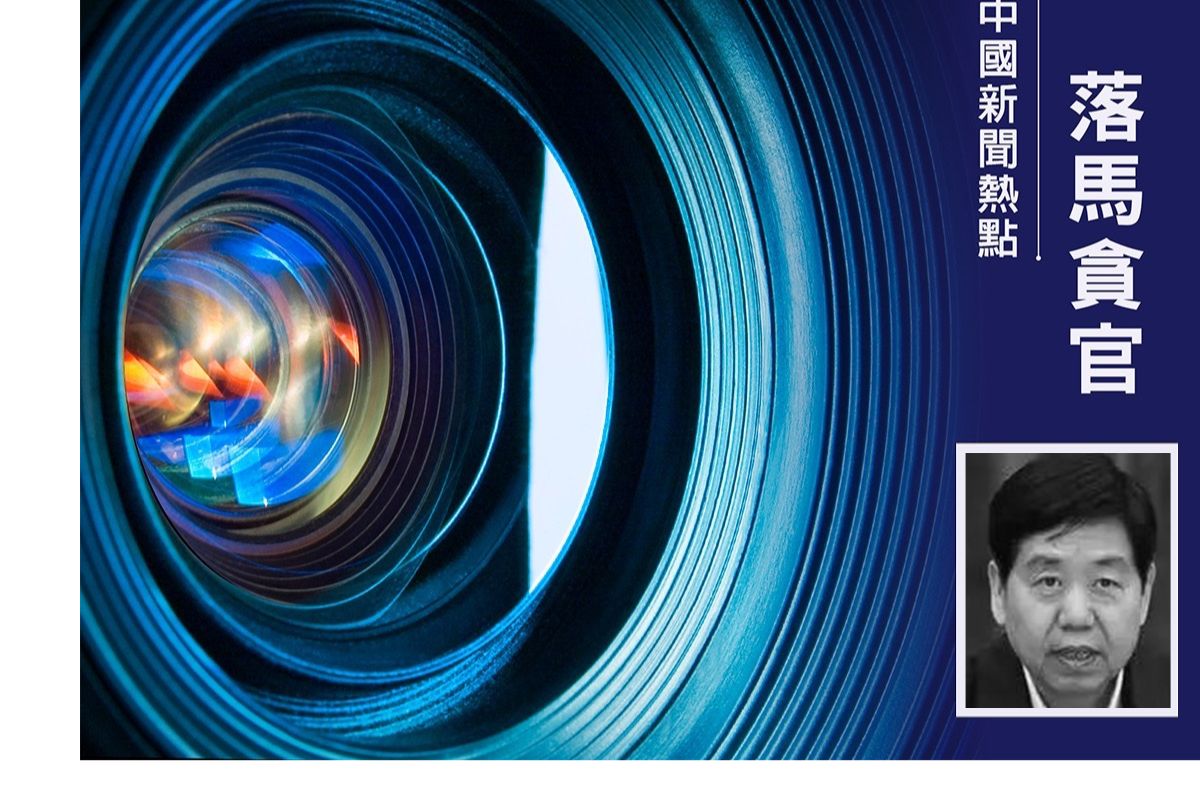
On July 10, 2026, Li Jianbo, former member of the Communist Party of China (CPC) and Transportation Department, was investigated. Just a month prior, Xu Yahua, former chief engineer of the Transportation Department, was also under investigation. Li Jianbo and Xu Yahua used to work closely with Yang Chuangtang, former Secretary of the Transportation Department, and Li Xiaopeng, former Minister of the department.
From mid-April to the end of June 2026, the CPC Central Committee’s Fourth Inspection Team conducted a routine inspection of the Transportation Department, along with its subordinate National Postal Administration and the Civil Aviation Administration of China. In the three months from mid-April 2026 to now, over 20 officials in the transportation system have been investigated.
On July 10, 2026, the CPC Central Commission for Discipline Inspection announced on its website that Li Jianbo, former member of the CPC, was being investigated for “serious violations of discipline and law.”
Public records show that Li Jianbo was born in Gongyi, Zhengzhou City, Henan Province in February 1959. He graduated from university at the end of 1981 and has held various positions in different government offices since then. Xu Yahua, born in Ningbo County, Zhejiang Province in May 1962, has also had a long career within the CPC Transportation Department.
The recent investigations of Li Jianbo and Xu Yahua, both former close associates of Yang Chuangtang and Li Xiaopeng, raise concerns about potential systemic issues within the transportation sector. The involvement of high-ranking officials like Xu Yahua and Li Jianbo, who had worked closely with senior leaders within the department, points to a deeper problem within the CPC’s governance structure.
Yang Chuangtang, born in Yucheng, Shandong Province in May 1954, held various leadership positions before his tenure at the Transportation Department. His long history in government roles across different regions raises questions about the effectiveness of the CPC’s leadership selection process and the ability to maintain transparency and accountability within the system.
The spate of investigations within the transportation sector is concerning. The consecutive investigations and removals of high-profile officials within the department suggest a pattern of corruption and misconduct that may have been allowed to fester for a significant period of time. The public outrage over these revelations highlights the growing demand for accountability and ethical governance within the CPC and its affiliated departments.
The recent crackdown on corruption within the transportation sector reflects broader challenges the CPC faces in maintaining party discipline and combating graft. The scale of the investigations and the seniority of the officials involved underscore the deep-rooted nature of the issues plaguing the CPC’s governance system.
The wave of investigations spanning different regions and government agencies signals a concerted effort by the CPC leadership to root out corruption and malpractice within its ranks. However, the persistence of such issues and the recurrence of high-profile cases raise concerns about the effectiveness of the existing anti-corruption mechanisms and the need for more robust oversight and accountability measures within the CPC and its affiliated departments.
In conclusion, the ongoing investigations within the transportation sector underscore the challenges the CPC faces in combating corruption and malpractice within its ranks. The recent cases involving high-ranking officials like Li Jianbo and Xu Yahua highlight the need for stronger anti-corruption efforts and enhanced transparency to ensure the integrity and accountability of the party and its affiliated institutions.