
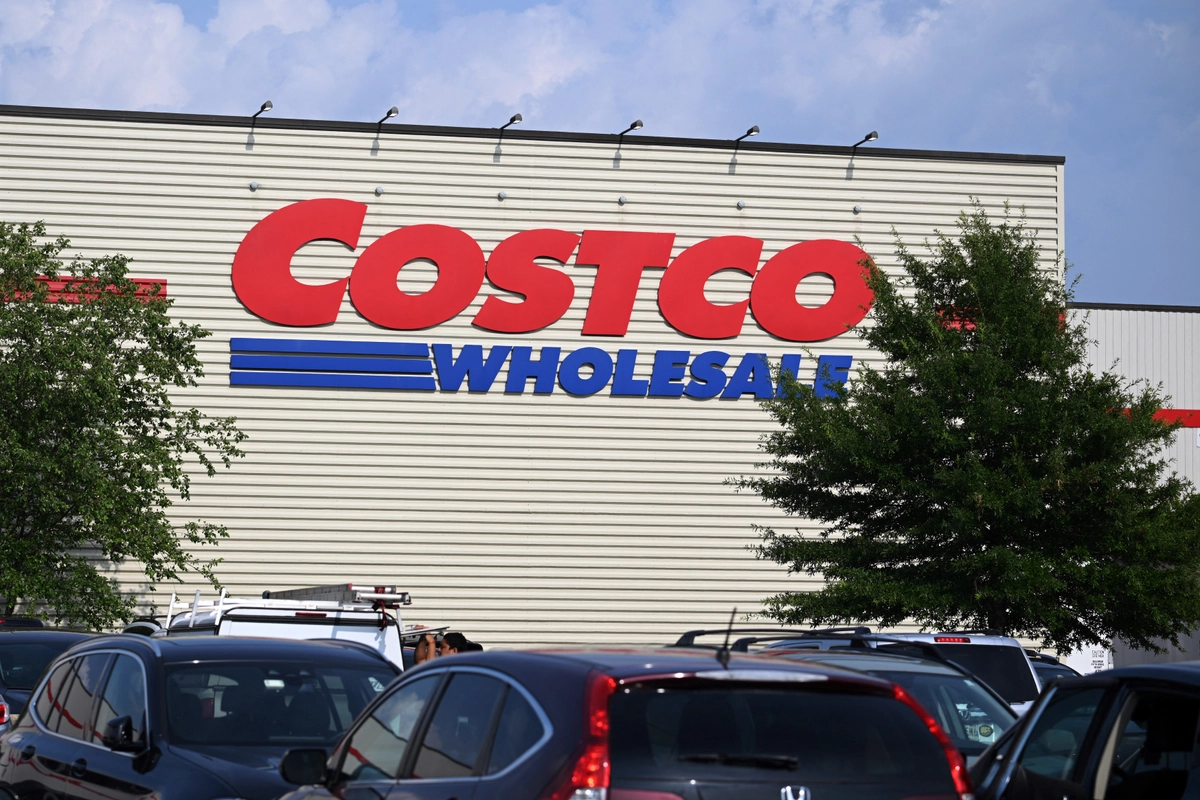
In the modern United States where freedom and individuality are cherished, the once dominant “Monoculture” in society is gradually fading. However, Costco is breaking this norm. Regardless of wealth or political affiliation, this large warehouse membership store with its trademark blue, white, and red colors has become a rare cultural symbol and spiritual sanctuary in today’s American society that can bring people together in consensus.
According to the latest “Forbes Best Value Brands in America” ranking for 2026, Costco sits at the number one spot nationwide.
Based on reports from media outlets such as The Wall Street Journal, through analysis from multiple dimensions including sociology, behavioral economics, and business management, Costco’s widespread recognition and popularity among Americans can be attributed to four core elements:
In an era of fragmented experiences driven by numbers and algorithms, Costco provides a tangible shared space for all:
Stepping into Costco, people do not need to share the same views on politics or social issues; they all collectively pursue a very pure American pragmatism spirit of “getting things done”.
Costco is no longer just a retail giant but has transformed into a gathering place. People choose to have dates, celebrate birthdays here, and even social media influencers spontaneously share “Costco Must-Buy Lists”. It has transcended retail space, evolving into a social community experience bridging the virtual and physical worlds.
For many members, the allure of free samples is the most attractive aspect of Costco, embodying deep psychological and social mechanisms:
Behavioral economists point out that the carefully designed “small bite” samples can trigger heightened focus and taste memory in the moment. This sense of surprise and the pleasure of exploring the unknown stimulates dopamine release in the brain, creating a strong connection between this store and the “good life”.
The enticement of “free” not only eliminates pre-purchase hesitations but also creates a subtle sense of indebtedness psychologically. Consumers often, out of a mindset of reciprocity, willingly put large packaged items into their shopping carts, thus fostering mutual benefits.
Costco garners high favorability across the spectrum of American society, thanks to its exceptionally rare corporate image:
Costco has long been committed to providing grassroots employees with wages, benefits, and comprehensive healthcare well above industry averages. Its ultra-low employee turnover rate shields it from the exploitation stigma that often plagues other retail giants, making it a conscious company in the eyes of the left.
Costco’s extreme business efficiency, bulk reserves, and exceptional value proposition precisely hit the mark for conservatives and pragmatists in terms of family and financial planning, thereby becoming a practical benchmark that satisfies the right.
With rising living costs and inflation pressures in recent years, Costco has become the top choice for “defensive consumption” across all income levels, including high-income families earning over $100,000 to $150,000 annually:
While major brands quietly reduce product quantities due to “shrinkflation”, Costco has stood by its promise of not increasing the price of the “$1.50 hot dog and soda” combo for decades. This nearly stubborn honesty has transformed into customer steadfast faith in its unwavering brand.
Costco’s high-quality private label “Kirkland” and unconditional return policy serve as a safety net for consumers, minimizing the cost of trial and error and instilling confidence that “if it’s chosen by Costco, it won’t go wrong”.
The love Americans have for Costco has transcended a mere buyer-seller relationship. In an era where everything can be fragmented, this store, with its customers pushing oversized carts and the aroma of free samples filling the warehouse, has become a warm port in American popular culture where everyone can safely dock and share a knowing smile.