
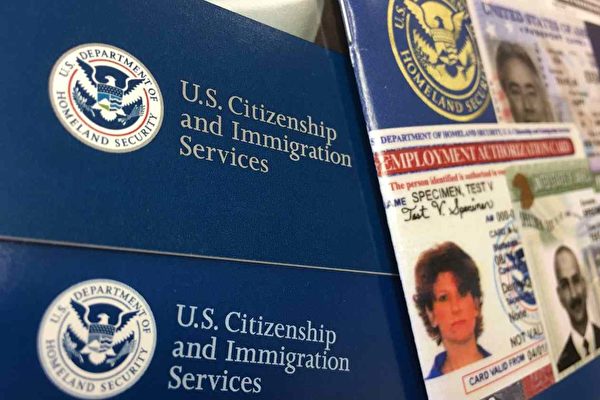
The U.S. Citizenship and Immigration Services (USCIS) recently released Memorandum PM-602-0199, emphasizing that foreign nationals who wish to transition from temporary status to permanent residency (green card) should, in principle, return to their home country and go through Consular Processing overseas, rather than adjusting status within the U.S. (Adjustment of Status, AOS).
This news has caused panic for many, but the situation hasn’t reached that point yet.
The memorandum includes a crucial statement: if there are “Extraordinary Circumstances,” applicants may still be allowed to remain in the U.S. to complete the I-485 green card process.
In other words, the door has narrowed, but hasn’t been completely shut. However, obtaining a green card within the U.S. might no longer be as simple as just meeting the eligibility criteria. As of now, USCIS has not announced the formal implementation details, and the legal community still has differing interpretations of the specific scope of “Extraordinary Circumstances.”
The complete definition of “Extraordinary Circumstances” has not been officially announced by USCIS. However, based on current analysis by the legal community and immigration lawyers, the following categories of people may still be key candidates eligible for adjusting status within the U.S.:
This may be one of the most important categories in the future. The legal community generally believes that these cases may be considered as “Extraordinary Circumstances” in the future. Therefore, comprehensive medical records, doctor’s certifications, psychological assessments, and evidence of long-term care may become extremely crucial.
For example: A Chinese elderly woman undergoing chemotherapy in the U.S. Her doctor clearly states that her current condition is not suitable for long-distance travel. Requesting her to return to China for a consular interview may pose serious medical risks during the journey.
For example: An American citizen wife who has been caring for her stroke-affected husband. Her husband is unable to walk independently and entirely relies on her care. If she is required to leave the country for a few months, the entire family care system could collapse instantly.
These are not only issues related to war but may also include political risks, religious persecution, public safety concerns, diplomatic anomalies, and suppression of specific groups.
For example: Individuals who have publicly participated in sensitive political activities may face investigations, detention, or even criminal risks upon returning to their home country.
For example: Some religious individuals may face continued surveillance and security issues upon returning to their home country. Some immigration lawyers believe that these situations may become important reasons to support adjustment within the U.S. in the future.
These cases are particularly noteworthy in employment-based immigration. Professionals such as AI engineers, core scientific researchers, crucial medical experts, and key executives in high-tech companies fall under employment-based immigration. These individuals may still be allowed to complete the green card process within the U.S. in the future. Additionally, some H-1B visa holders may also continue applying for green cards through the internal process.
For example: An AI chip engineer involved in critical U.S. technology projects. If he is suddenly forced to leave for six months, the entire company’s research progress may be disrupted.
For example: A senior medical researcher involved in clinical cancer research. Once they leave, the entire research team may face significant consequences.
This is closely related to the “Extreme Hardship” logic in the I-601 waiver. The focus is not on the inconvenience of processing abroad but the significant harm that separation would cause beyond normal circumstances. These situations may become key considerations in the future.
For example: A Chinese mother whose child has autism. The child receives long-term special education and psychological intervention. The doctor clearly states that if the mother is gone for an extended period, the child’s emotional state may severely deteriorate.
For example: A father who is the sole economic provider for the family. If he is forced to leave, the entire family may lose their source of income and even housing.
These categories theoretically should not be significantly impacted. These were originally designed as humanitarian protection categories by Congress. Especially asylum green cards are typical systems for internal adjustment. Therefore, at present, these cases may experience relatively minor impacts.
For example: K-1 fiancé visas, approved asylees (A5), VAWA domestic violence victims, U visa crime victims, T visa trafficking victims, etc.
Many immigration lawyers currently lean toward the belief that these cases in the later stages may continue to be processed following the original procedure in the future. Otherwise, it would involve a significant fairness issue in processing procedures.
For example: Individuals who have submitted I-485 applications, completed fingerprinting, finished medical examinations, and have been awaiting interviews for a long time.
The real noteworthy change is that future I-485 processes may no longer just involve “filling out forms + submitting documents.”
It may become more like an “overall assessment of character and background.” Immigration officers may consider not only if you meet the criteria but also factors such as lawfulness, long-term tax contributions, stable living, contributions to the community, and genuine integration into American society. Many cases in the future may receive more Requests for Evidence (RFEs) or even multiple RFEs. Therefore, being prepared with a detailed record of your life in the U.S. becomes more important than ever before, such as complete tax filings, volunteering services, church certifications, children’s school documents, psychological assessments, company recommendation letters, community service records, and other materials should be prepared in advance.
The new immigration policy has indeed made many people anxious. However, at the moment, this does not mean that all in-country green card adjustments will come to an end. What truly matters is whether your case possesses sufficient evidence of “Extraordinary Circumstances.” Therefore, instead of panicking, it is better to start preparing your evidence materials early and closely monitor USCIS for their upcoming formal implementation details.
(Note: This article is only a compilation of general information on immigration regulations and practical observations, does not constitute legal advice for any individual cases or specific legal recommendations. Actual case outcomes depend on individual facts and applicable law. If it involves personal cases, consultation with a qualified immigration lawyer is recommended.)