
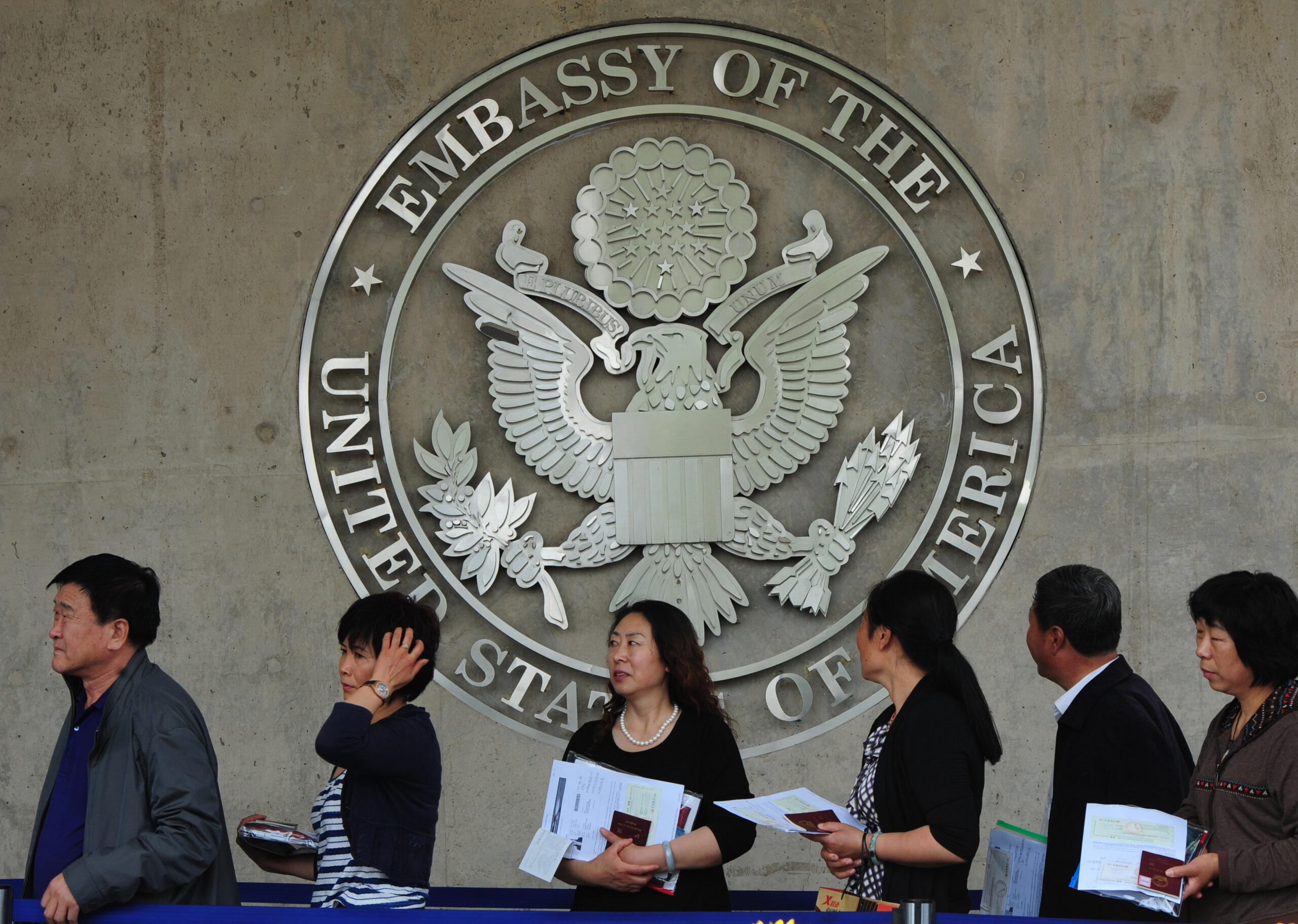
Due to strong rainfall and flood warnings in the northeastern region of China on July 13th and 14th, the US Embassy in China issued a weather alert, while the Consulate General in Shenyang canceled all routine consular services, including visa interviews and passport appointments.
According to the weather alert issued by the US Embassy in China on Monday, July 13th, American citizens in the northeastern region of China – Liaoning, Heilongjiang, and Jilin – are advised to closely monitor local weather alerts in their cities or regions, avoid unnecessary travel during heavy rain periods, and follow instructions from local authorities.
In addition, the US Consulate General in Shenyang will cancel all routine consular services on Tuesday, July 14th, including visa interviews and passport appointments. The consulate will contact affected individuals via email to reschedule.
According to the weather alert, Shenyang City has issued flood warnings due to heavy rainfall on July 13th and 14th, 2026. Local government predicts that Liaoning Province will experience heavy to torrential rain. Some areas may receive rainfall of 3 inches (about 7.6 centimeters) or more per hour, with total accumulations exceeding 6 inches (about 15.7 centimeters) over 24 hours. Shenyang City warned of high flood risks, closed schools, and advised citizens to avoid going to work. Major intersections and roads in Shenyang have accumulated water up to 30 centimeters deep, leading to partial road closures, and all southbound trains from Shenyang have been suspended on July 13th and 14th, 2026.
Actions recommended by the US Embassy in China:
• Avoid unnecessary travel and outdoor activities during the warning period.
• Do not drive or walk through flooded areas or waterlogged zones.
• Stay away from mountainous areas, rivers, gullies, water scenic spots, and underground commercial places.
• Avoid regions prone to landslides, mudslides, flash floods, and other geological hazards.
• Exercise extreme caution if driving in heavy rain and check road and traffic conditions before setting out.
• Additionally, visit the United Typhoon Warning Center and Tropical Storm Risk (TSR) websites for the latest storm tracking information.
• Stay tuned to local media and official government channels for updates.
• Follow instructions from local authorities.
• Inform family and friends of your whereabouts and health status promptly.