
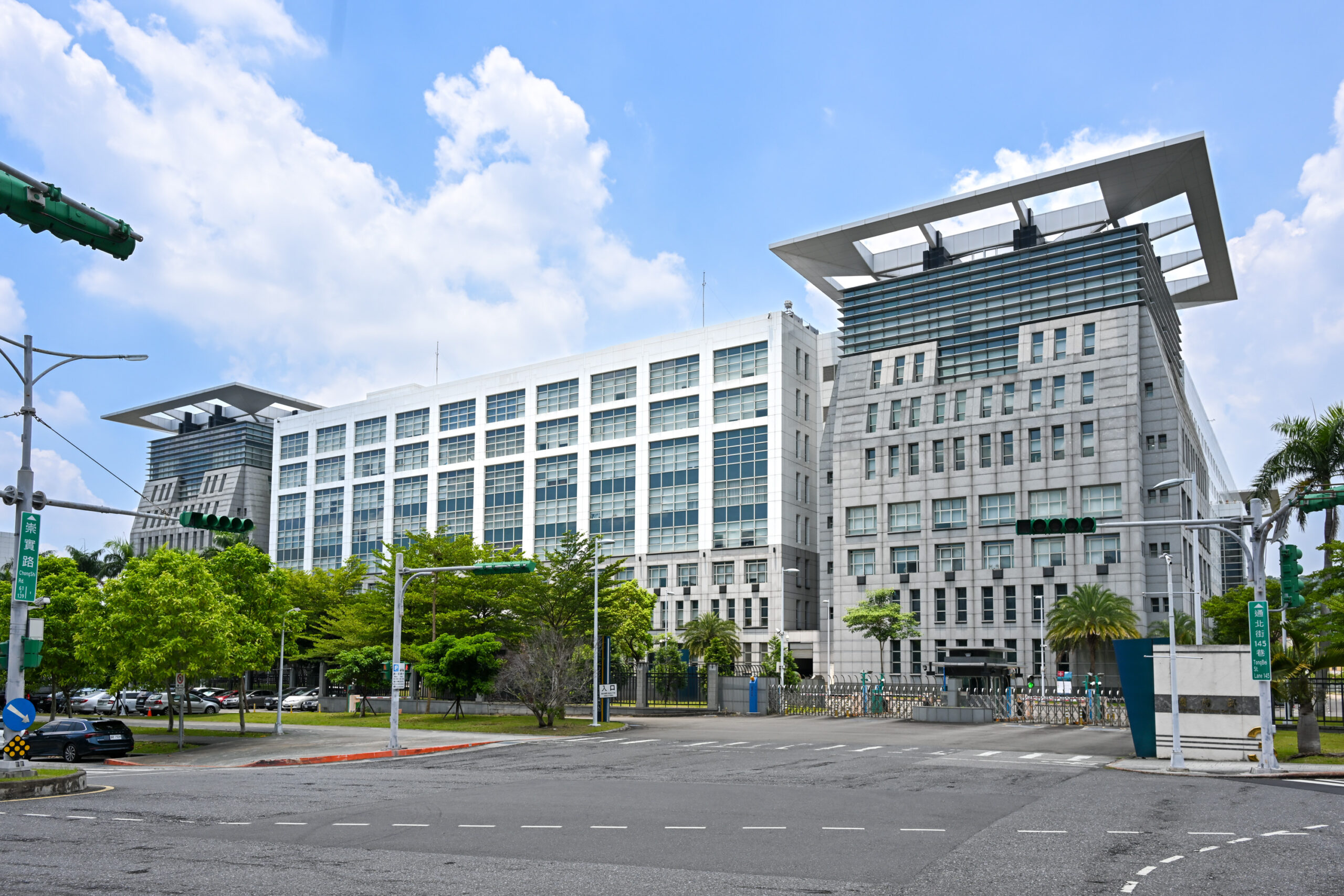
On July 13, 2026, the Ministry of National Defense of the Republic of China announced that in response to enemy threats and by referencing the experiences of military forces such as the U.S. military, they have planned a trial program for the gate security post at military academies to be carried out by security guards. However, the camp’s security responsibilities, command authority, and alert standards will remain under the responsibility of the national military and will not change.
This initiative aims to optimize the efficiency of manpower deployment and enhance overall military capabilities. The Ministry of National Defense stated in a press release that based on the threat from the enemy and learning from the experiences of military forces like the U.S. military, they have planned the trial program to allocate limited manpower to core military tasks. Following the trial, a comprehensive evaluation will be conducted to continuously improve relevant practices.
According to the Ministry of National Defense, the trial program will involve differentiating duties based on the nature of service and security risks. Security personnel will assist in routine tasks such as general gate control, vehicle and personnel inspections, and visitor registrations. However, tasks related to important military facilities, ammunition depots, core alert areas, security responses, and wartime missions will still be carried out by national military forces. The camp’s security responsibilities, command authority, and alert standards will continue to be the responsibility of the national military and will remain unchanged.
Moreover, the Ministry of National Defense pointed out that internationally, including the U.S. military, military bases are managed based on security levels and the nature of duties, utilizing a management model that separates military personnel and professional security. Similarly, in domestic settings such as commercial ports, certain government agencies, and critical infrastructure, professional security personnel assist in tasks including gate control, patrols, and security duties.
Furthermore, the Ministry of National Defense emphasized that matters related to security command, exercise of public authority, use of force, vigilance over important facilities, and response to major events will continue to be the responsibility of the competent authorities.
It was highlighted that all security guard personnel must undergo qualification checks, background screenings, and professional training. They are required to comply with gate control, surveillance systems, and follow reporting and response mechanisms during duty to conduct inspections of personnel, vehicles, and items entering and exiting, without accessing sensitive national defense information or performing military vigilance duties.
The Ministry of National Defense stressed that during the trial period, a comprehensive evaluation will be conducted on aspects such as security risks, manpower deployment, and operational efficiency to ensure optimal performance in both manpower deployment and camp security.
The Foreign Affairs and National Defense Committee of the Legislative Yuan of the Republic of China invited Minister of National Defense Gu Li-Hsiung to provide a special report on “National Defense Personnel Policies and Responses under the Impact of Population Decline” on the 8th.
Legislator Shen Bo-Yang questioned the challenges faced by military service units under the impact of declining birth rates, noting instances where units frequently provide cross-unit support. The Ministry of National Defense had previously responded by planning to explore methods of outsourcing support services.
In response, Gu Li-Hsiung stated that to enhance the efficiency of manpower deployment, the outsourced gate security services at the nine military academies across Taiwan will be verified through a two-phase trial. The first phase, starting from September 1, will be implemented at three campuses of the National Defense University, the Army Officer Candidate School, and the Naval Academy, totaling five locations. The second phase, starting from January 1 of the following year, will be trialed at the Army Special Forces School, the Air Force Aerospace Technology College, two campuses, and the Zhongzheng Preparatory School, totaling four locations.