
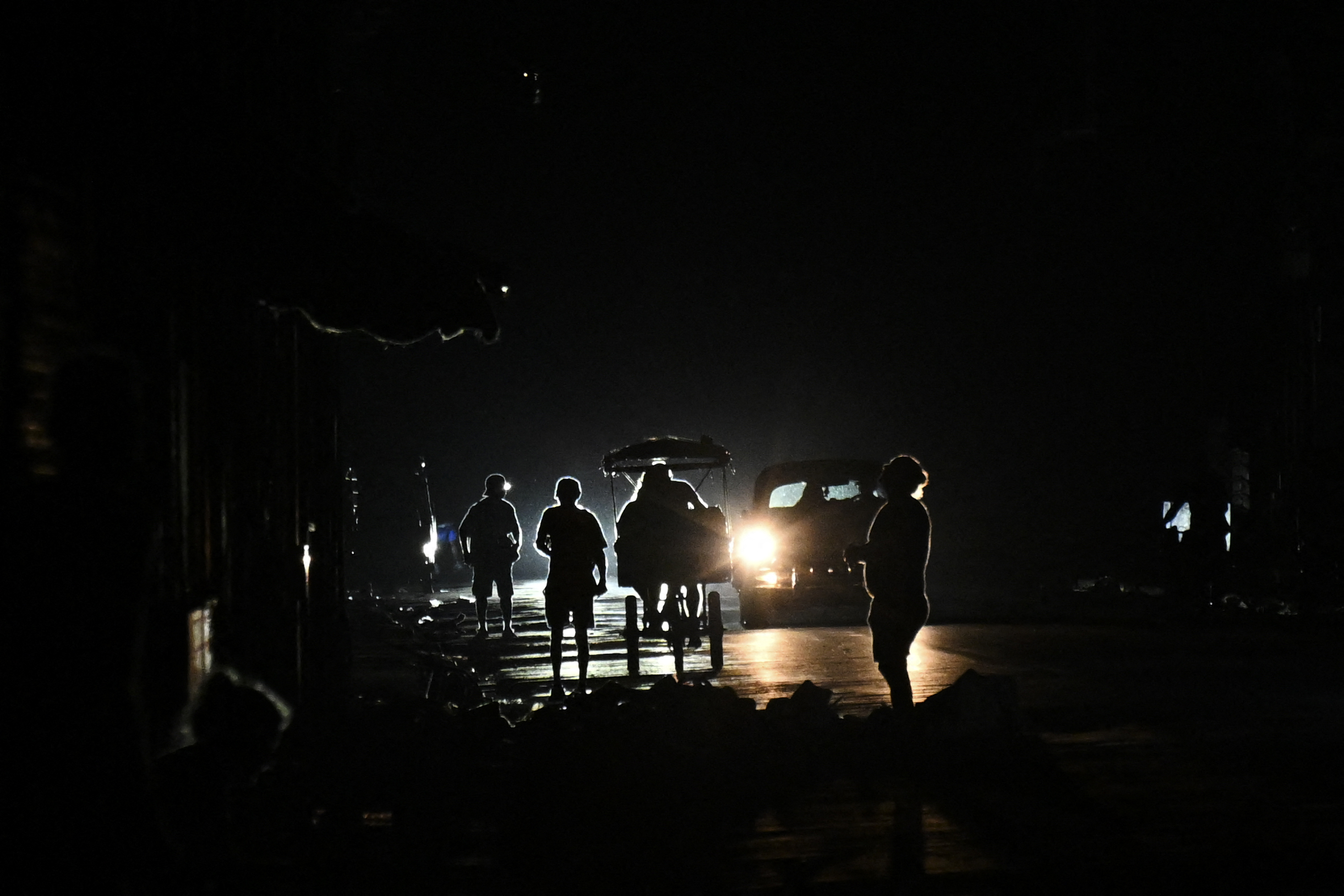
Cuba experienced a nationwide blackout again on Friday (July 10), marking the second blackout of the week and the fourth blackout this year, leaving nearly 10 million residents on the island in darkness.
Authorities in Cuba stated that a power transmission line between Santa Clara and Sancti Spíritus malfunctioned, leading to abnormal operation of the power grid and eventually causing a nationwide blackout.
Despite efforts to repair the issue, Cuban Minister of Energy Vicente de la O Levy stated, “We have begun the process of restoring the national electricity system. The situation is very complex given the various challenges we face on a daily basis.”
This energy crisis highlights the dual pressure of aging infrastructure and severe fuel shortages. The Cuban electricity grid is extremely fragile, with some power plants operating for over 30 years and lacking maintenance.
The Cuban government blames the United States’ energy blockade for exacerbating the country’s fuel shortage. Data reveals that Cuba can only produce 40% of the fuel needed domestically, with a Russian oil tanker arriving at the end of March with 730,000 barrels of oil depleted by the end of April.
The shortage of electricity and fuel has directly impacted the livelihoods and economy of Cuba. Yailin Fis Garcia, 26, told Reuters that she and her family opened a coffee and pizza shop a few weeks ago, but the power grid has collapsed twice since they started the business.
She said, “All the food goes bad, which is a big economic blow.”
In addition to restricted electricity for households, public transportation in Cuba has nearly come to a standstill, and thousands of surgeries have been canceled.
Just on Monday, Cuba experienced a nationwide power grid collapse, with sporadic “pot banging protests” occurring in various regions of Havana. While authorities managed to partially restore and restart the power grid on Tuesday night, many areas remain in darkness and without power due to outdated power plant infrastructure and fuel shortages.
Cuban Foreign Minister Bruno Rodríguez Parrilla stated at the United Nations General Assembly on Tuesday that the fuel embargo and economic sanctions are a “collective punishment” against the entire Cuban population.
The U.S. attributes the blackouts to mismanagement of Cuba’s state-run economy. U.S. Ambassador to the United Nations, Mike Waltz, during the UN General Assembly debate, said, “Change your ways and let the lights come back on for your people.”
Currently, Cuban authorities have begun to restore power to some areas.