
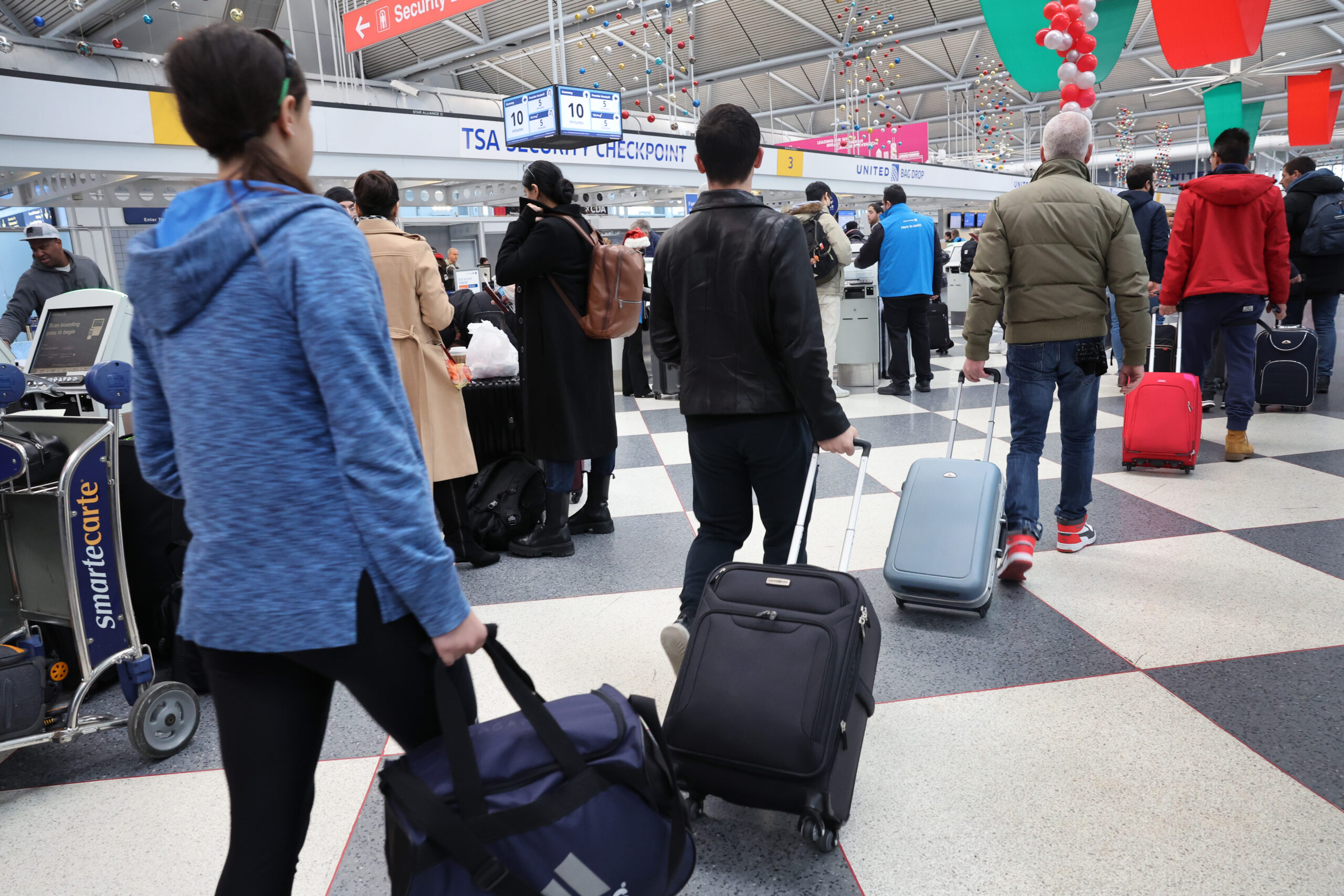
The Federal Aviation Administration (FAA) announced on Friday (July 10) that it will extend the flight reduction measures at Chicago O’Hare International Airport for another year to prevent flight delays and alleviate congestion at this crucial hub airport.
Chicago O’Hare International Airport is one of the busiest airports in the United States. As a hub airport for United Airlines and American Airlines, the airport sees thousands of flights taking off and landing daily, but flight cancellations and delays are also frequent occurrences.
In April this year, the FAA stated that between May 17 and October 24, the number of daily departures and landings at O’Hare Airport would be limited to 2708 flights. This forced the two major airlines to scale back their operations, essentially maintaining operational levels near those of the previous year to avoid widespread flight delays.
The control measures regarding flight limits were introduced in response to the peak summer travel season. According to the plan, United Airlines alone will reduce over 18,000 round-trip flights between July and August. This does not even include flights by American Airlines, which has also made significant investments in routes to and from Chicago in recent years.
The implementation of these flight limits was originally planned to begin in mid-May but was later delayed to allow airlines more time to adjust flight schedules and operational arrangements.
United Airlines is among the airlines most significantly impacted. To comply with the new seasonal flight limit regulations, United must cut approximately 100 flights per day, accounting for about 27% of the total flights reduction stipulated by the FAA.
The ripple effect of these flight limit regulations has led to the direct cancellation of many domestic summer flights and substantial reductions in some regional flight routes. While the current regulations are expected to last only until the end of October, uncertainty remains as to whether these restrictions will be further extended with the arrival of the peak holiday travel season in November.